
 English
 简体中文
简体中文 Español
 Português
 Русский
 لالعربية
 Tiếng Việt
 ไทย
ไทย עברית
עברית
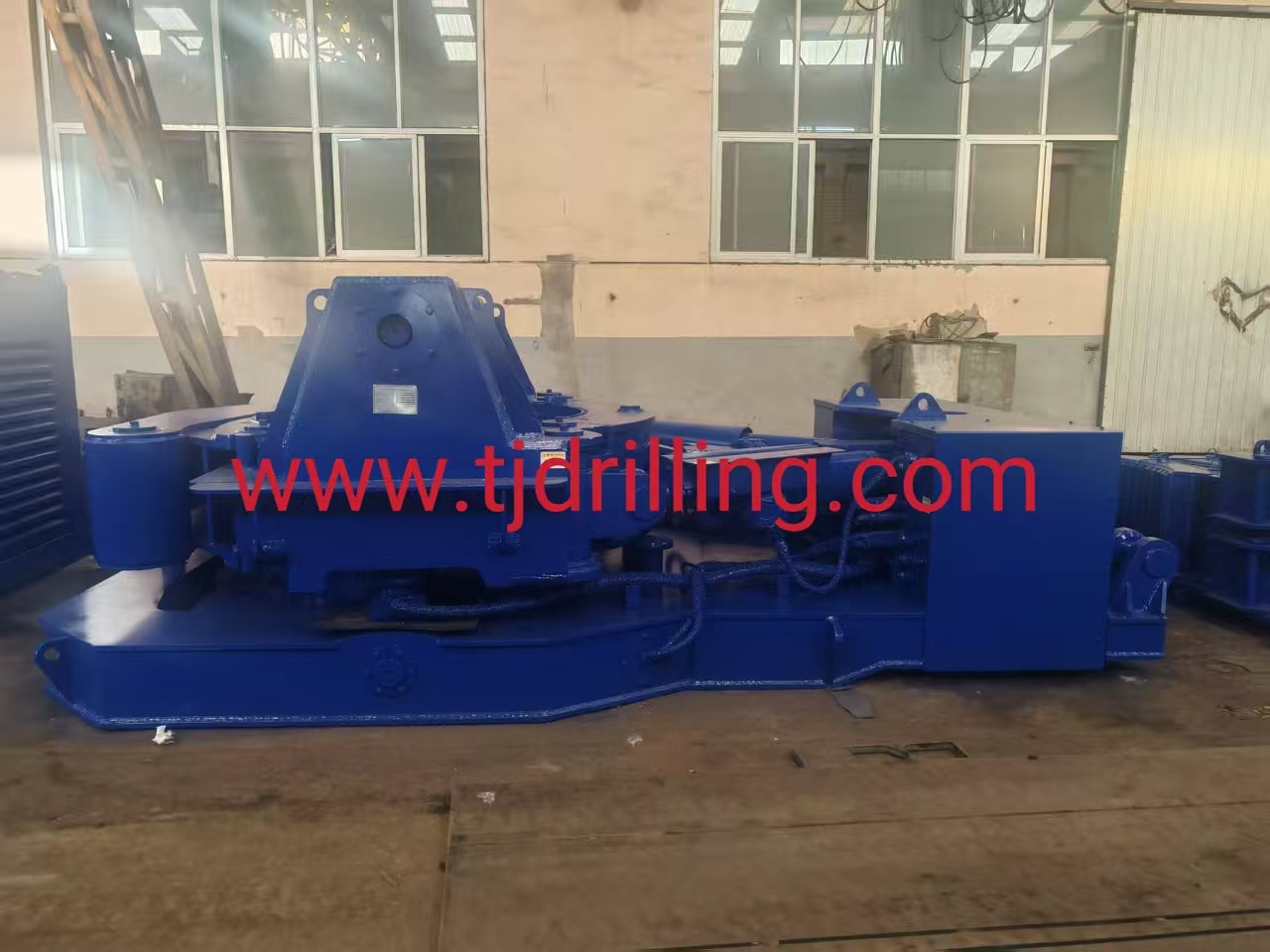
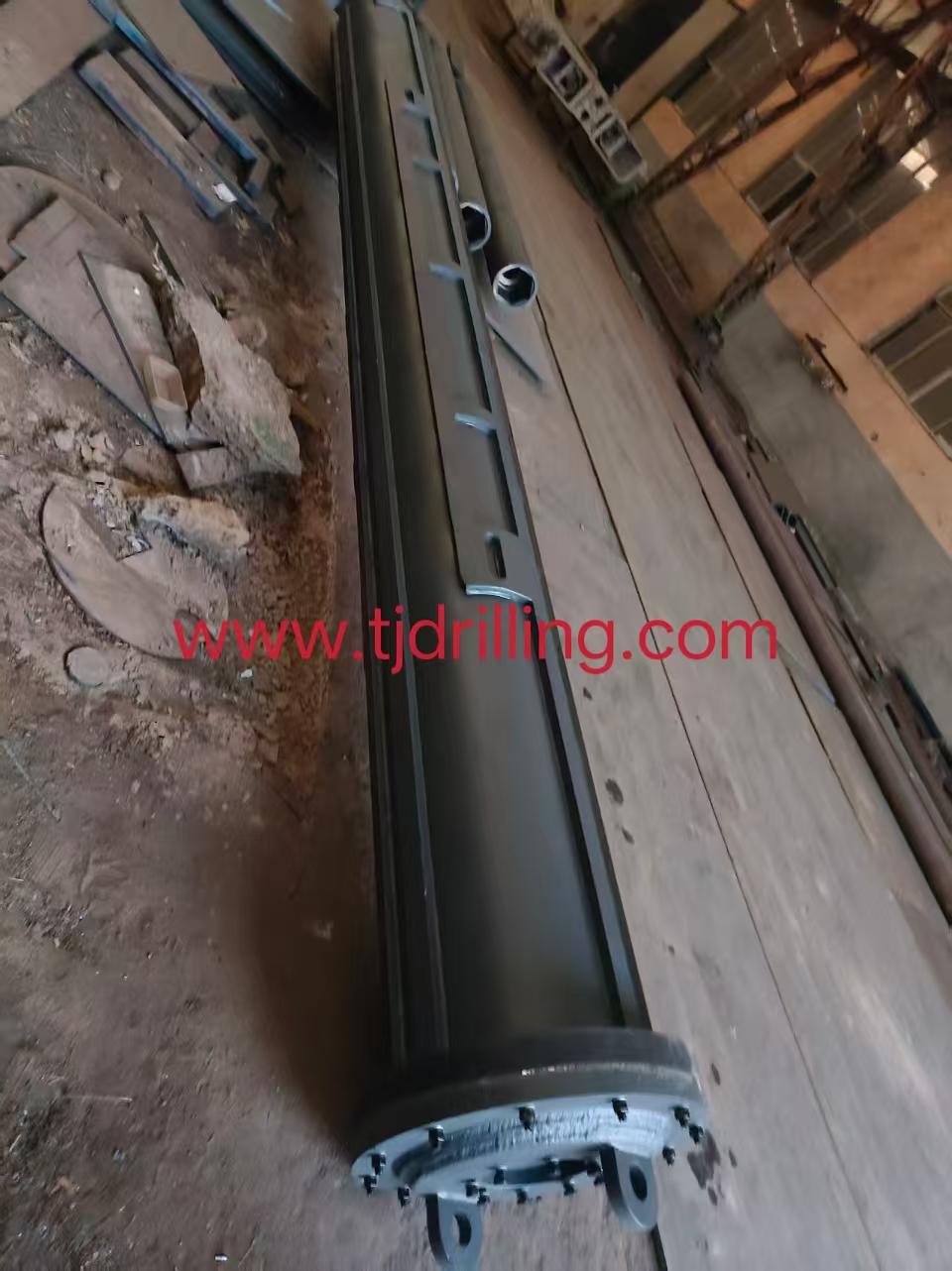
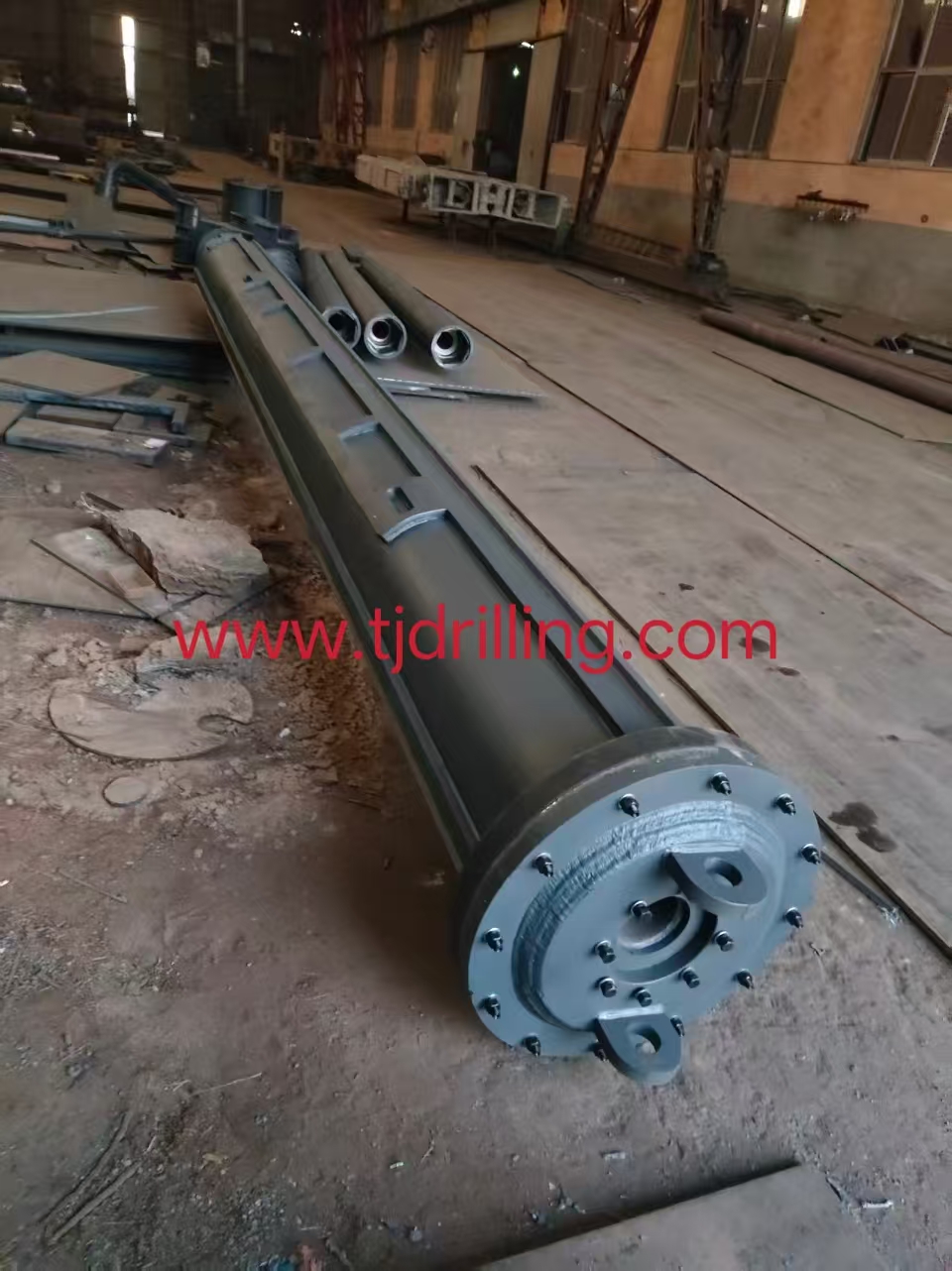
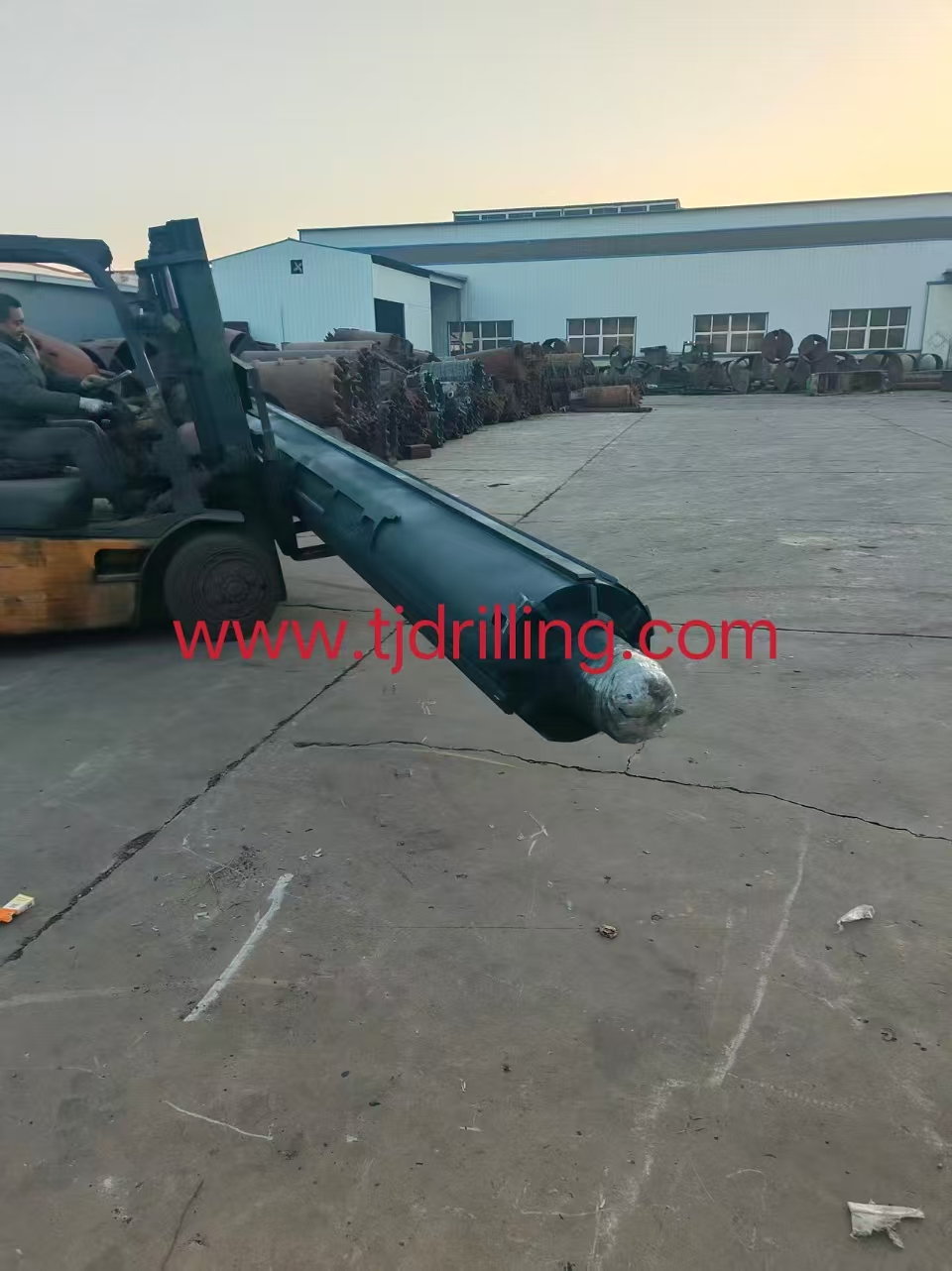
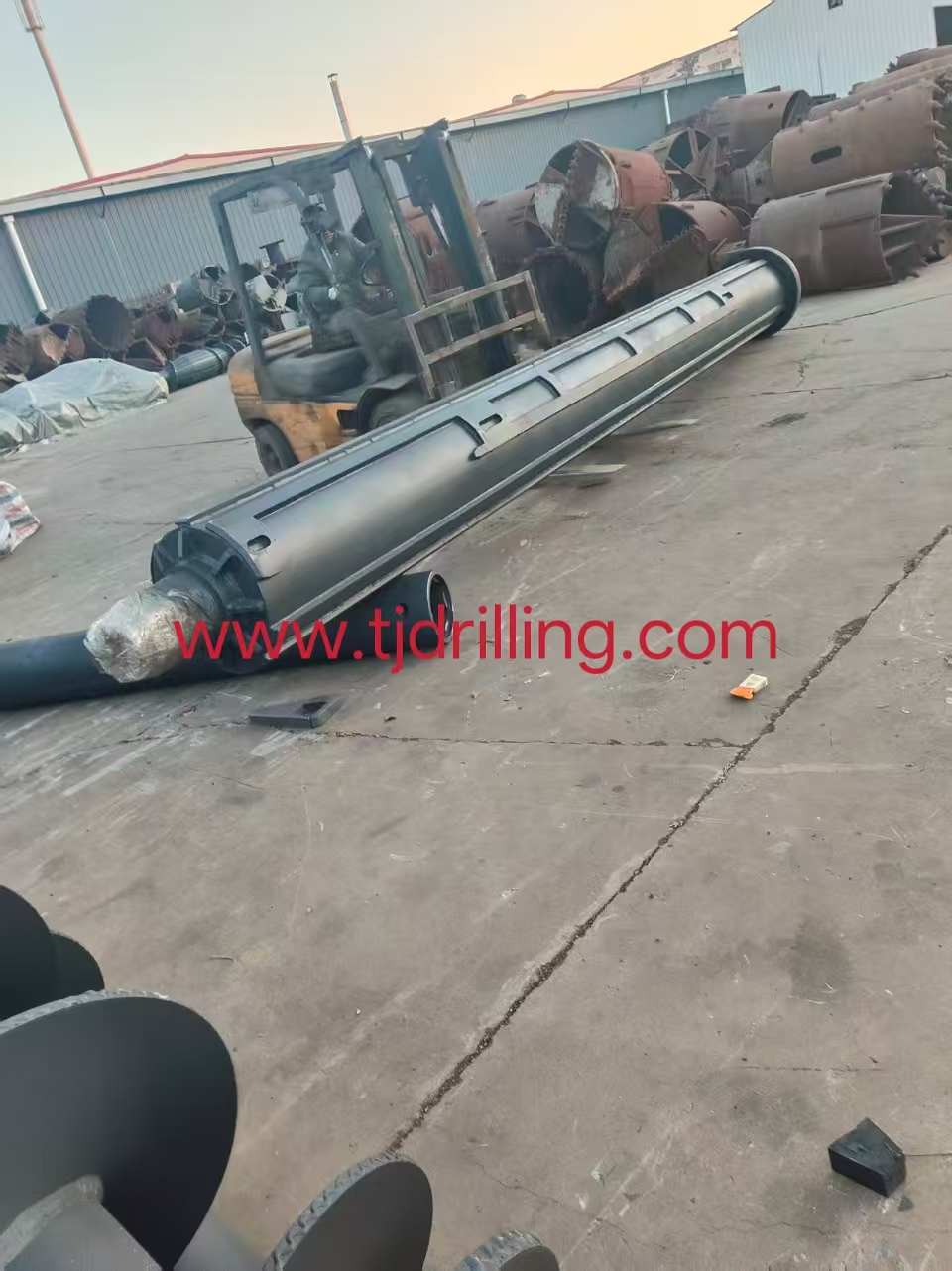
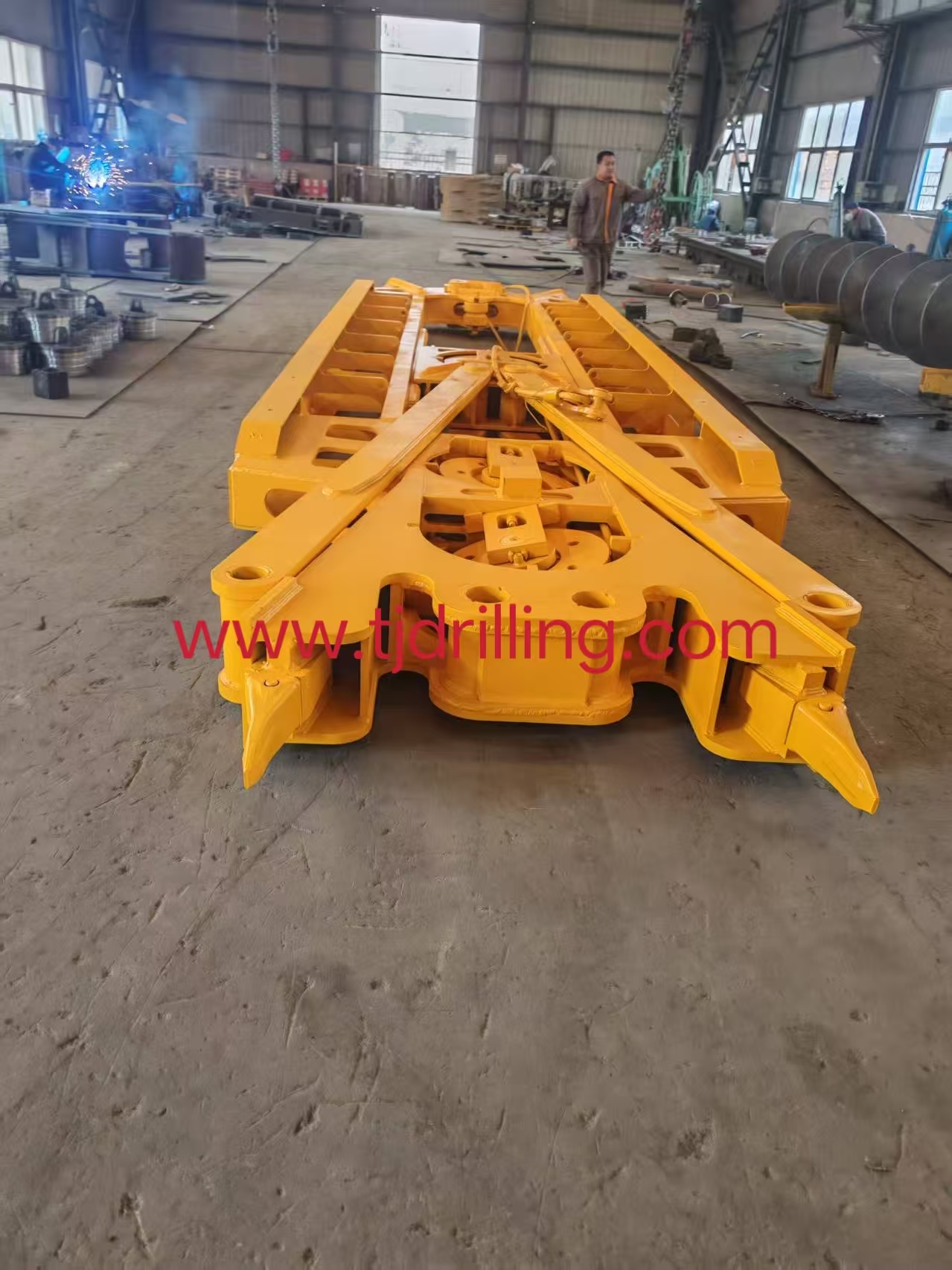
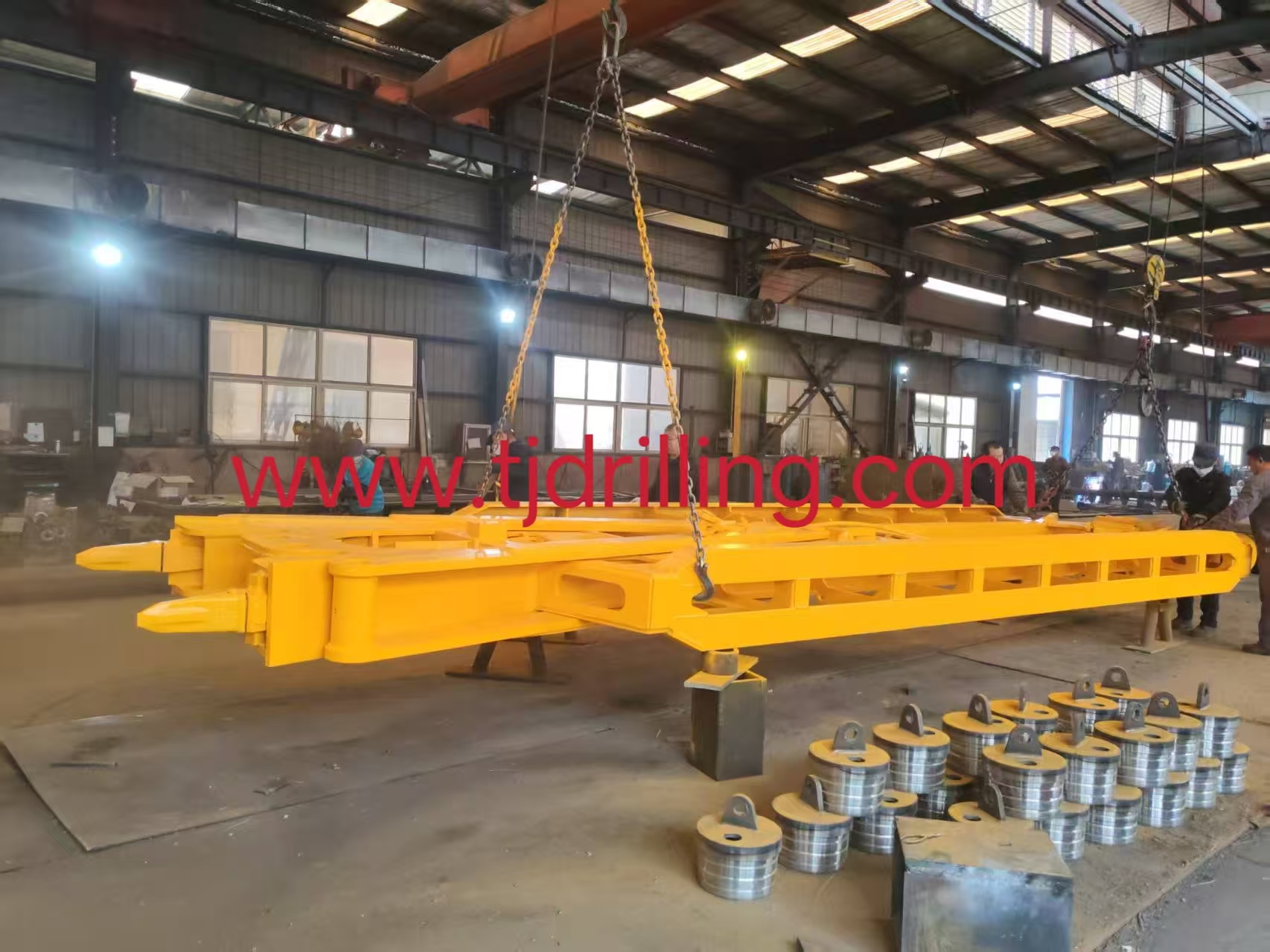

How to pull out diaphragm wall stop end ?600mm diaphragm wall stop end
How to pull out diaphragm wall stop end ?600mm diaphragm wall stop end
pulling out a diaphragm wall stop end—whether round stop-end pipes or flat joint elements like CWS (Continuous Waterstop Joint) systems—requires precise timing, hydraulic jacking power, and careful monitoring to avoid damaging the fresh concrete panel or tearing embedded waterstops
Step-by-Step Extraction Procedure
1
Monitor Concrete Setting & Timing
Critical to prevent wall collapse or bond freeze
• Initial Concrete Set: Track the initial set of the concrete panel using concrete test cubes/cylinders or penetrometer readings.
• Timing Window:
◦ Round Pipe Stop Ends: Extraction must begin as soon as the concrete has achieved sufficient initial set to hold its shape (typically 3 to 6 hours after casting). Pulling too early risks concrete slump into the joint; pulling too late risks bonding the pipe permanently.
◦ CWS / Flat Steel Stop Ends: Pulled either during early setting or after complete excavation of the adjacent panel, depending on the system design.
• Pre-rotation: Periodically rotate or lift round stop-end pipes slightly during the concrete pour to break early skin friction before final extraction.
2
Position the Hydraulic Extractor Unit
Bearing capacity on guide walls is essential
• Set up a dedicated hydraulic pipe/stop-end extractor frame (operated by an independent hydraulic power pack) over the trench head.
• Ensure the base frame bridges across the concrete guide walls, which act as the load-bearing foundation for the hydraulic rams.
• Align the vertical axis of the extractor clamps directly over the center of the stop-end element to prevent lateral bending moments.
3
Engage Clamps & Break the Concrete Bond
Primary breakout using high hydraulic force
• Lock the hydraulic extractor jaws or insert locking pins into the pin-holes/lugs near the top segment of the stop-end.
• Actuate the primary hydraulic rams pushing down against the guide wall frame to pull the stop-end vertically.
• Apply steady, upward pressure to break the bond between the steel surface and the curing concrete.
• Note: If pulling a CWS element with a waterstop strip, ensure the pulling motion is purely vertical so the rubber waterstop releases smoothly from its keyway into the concrete.
4
Stepwise Extraction & Crane Hoisting
Alternating hydraulic rams and crane lifting
• Stroke Cycle: Retract the hydraulic rams, lower the clamping collar, lock onto the lower position on the element, and stroke upward again. Repeat sequentially.
• Crane Support: Hook a crawler crane service line to the top lifting lug of the stop-end to keep tension and assist with lifting once the skin friction decreases.
• Segment Disassembly: If using sectional stop-ends joined by bolted or pin connections:
1. Raise the joint above the guide wall level.
2. Secure the lower section using temporary safety locking pins on the extractor frame.
3. Unbolt/unpin and disconnect the top section using the crane.
4. Lay down the removed segment on the ground storage area.
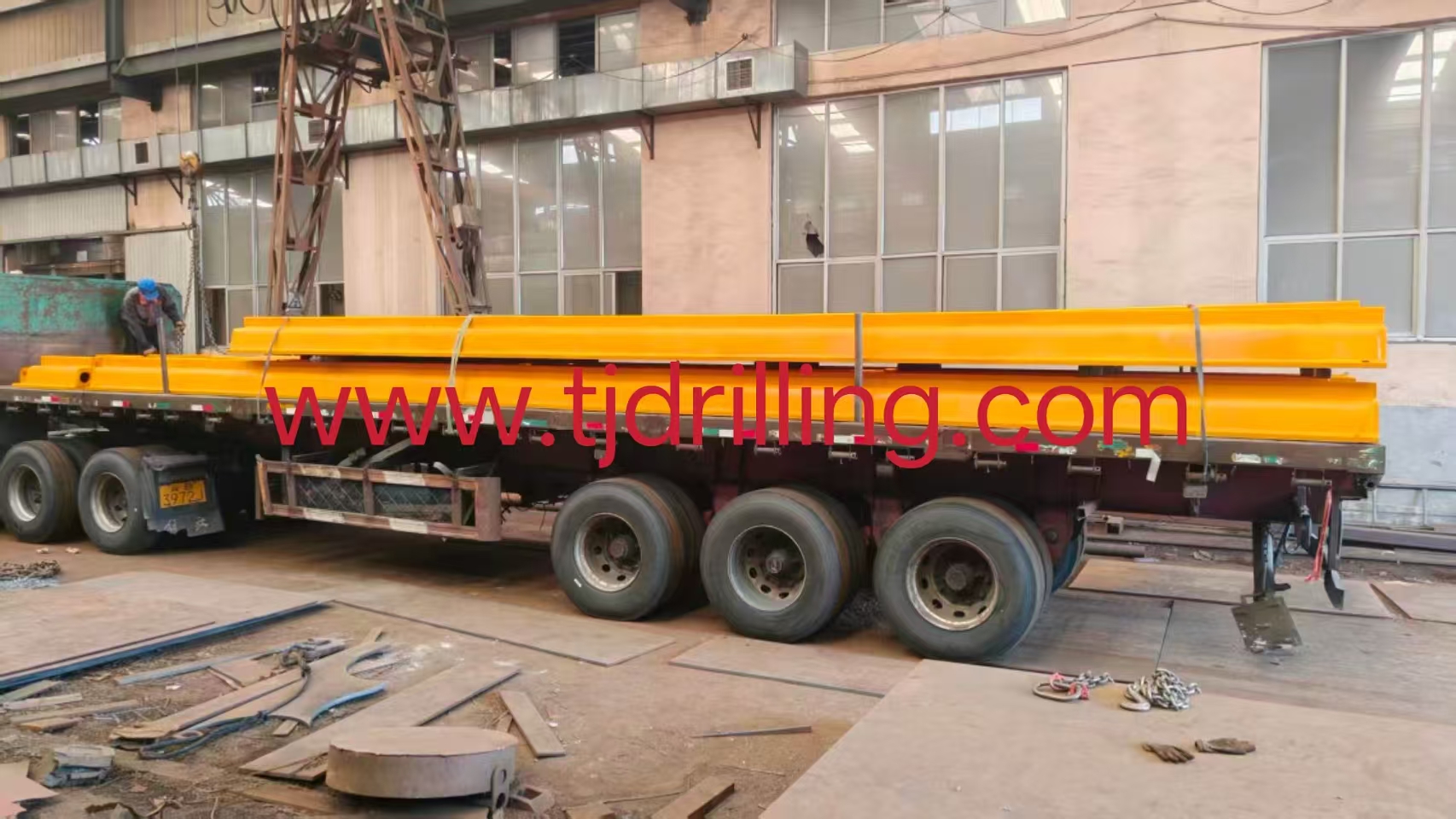
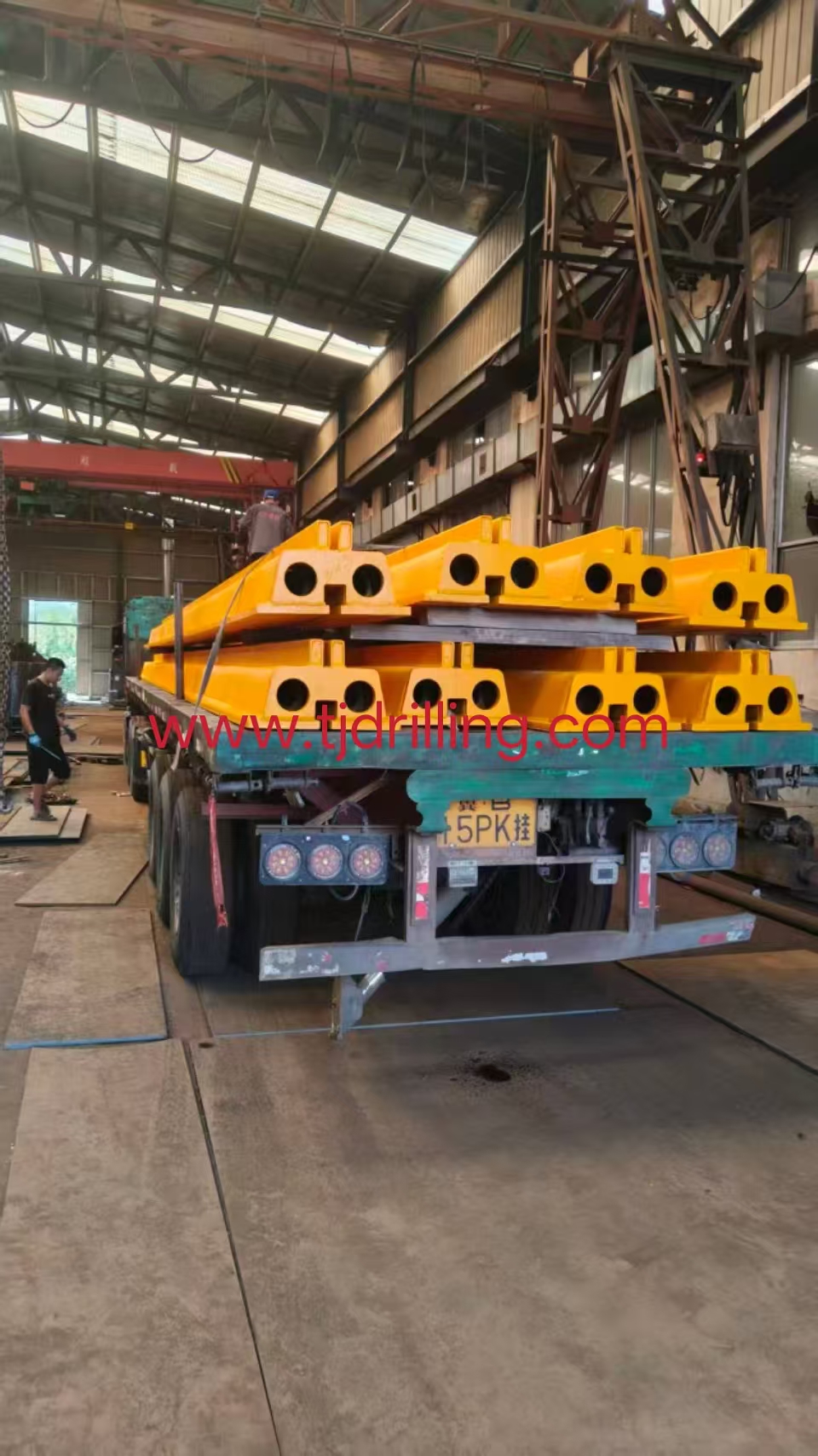
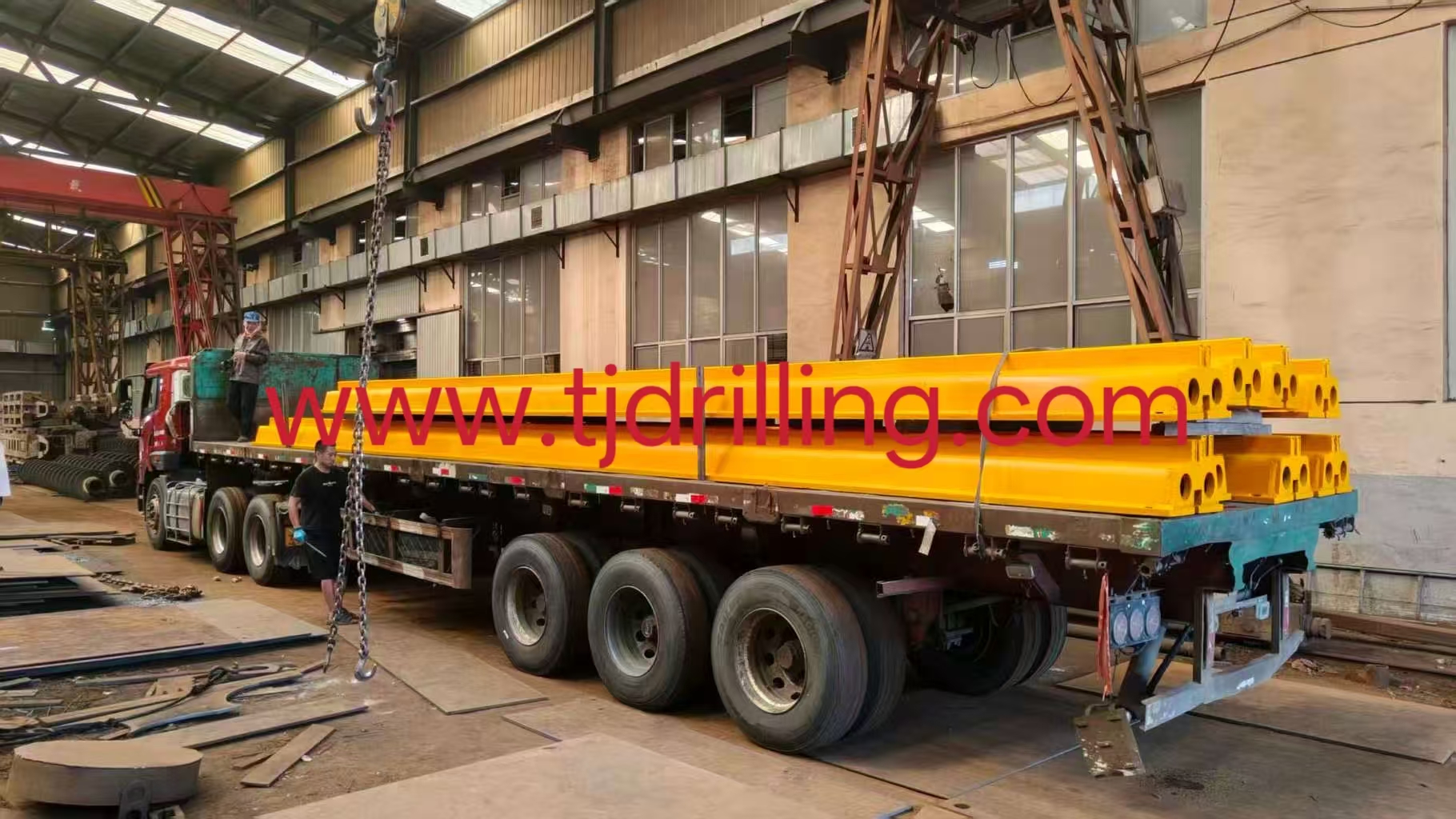
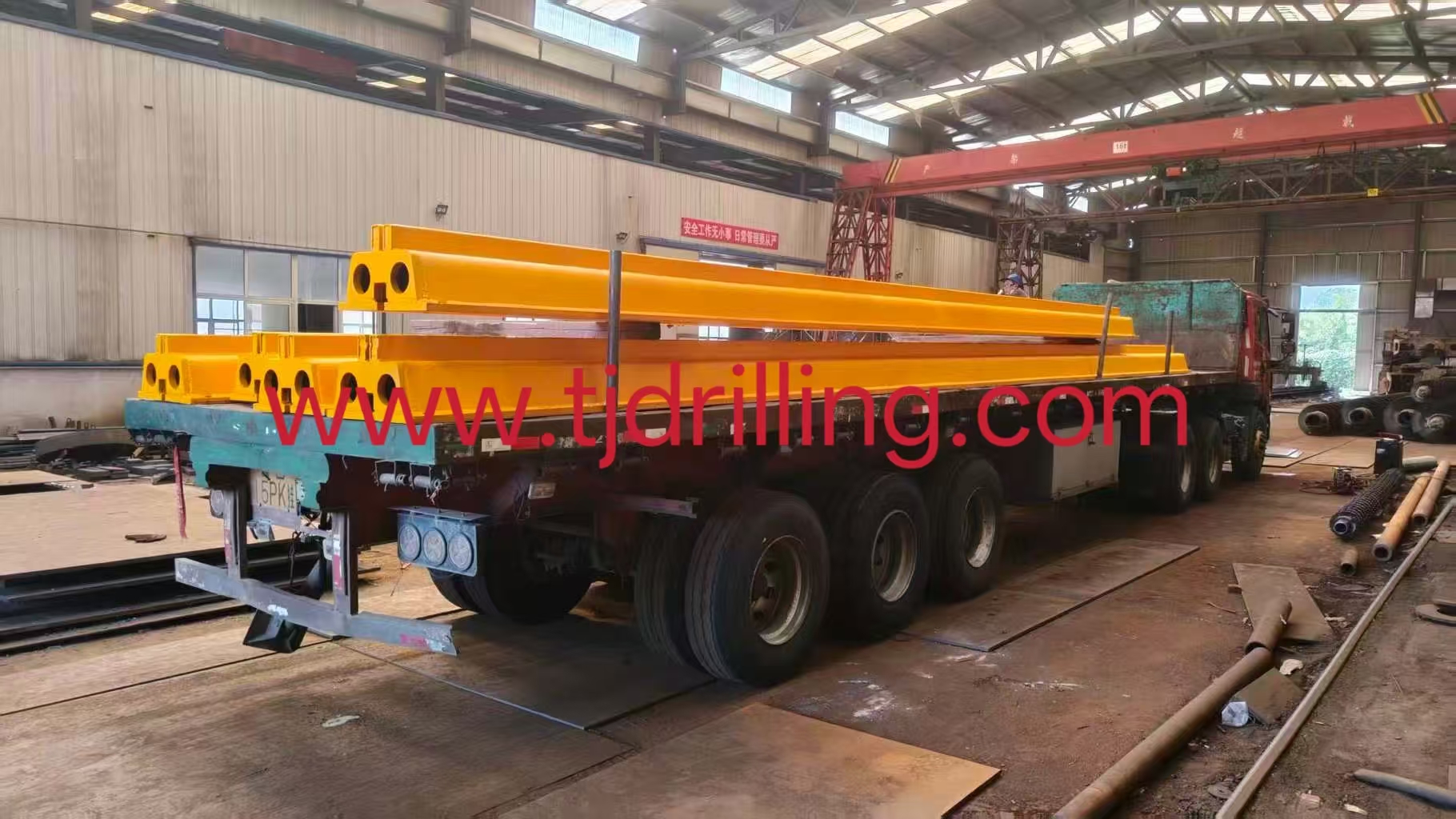
600mm diaphragm wall water stop end elements
600mm diaphragm wall stop-end elements
Why use a diaphragm wall stop end ?600mm diaphragm wall stop end elements
Diaphragm wall stop end elements are tools used in diaphragm wall pile construction , tianjin huachang xingye technology co ltd can produce diaphragm wall Stop End Elements in various widths and lengths
Diaphragm wall STOP END ELEMENT MAIN FEATURES
Why use a diaphragm wall stop end ?
During production of cast in situ concrete diaphragm walls, the most important factor, especially to achieve a watertight joint, will be the use of the right stop end elements. They contain the concrete on the lateral side meanwhile they create a particular casting profile that offers a high seal against water infiltration.
Diaphragm wall stop end have two type , one is diaphragm wall flat stop end , another is diaphragm wall round stop end pipe
Diaphragm wall Stop End Elements are coupled together through special steel shafts even better special o-ring ensure a perfect seal between the areas of the diaphragm.
Diaphragm wall flat stop end are coupled with steel shafts , materials:42Crmo
They are made of sheet metal welded and its special profile is achieved by a process of press bending and finally an internal reinforcing structure increases its strength and avoids the risk of deformation.
The excavation of a follow-up panel is carried out by clamshell grab, with the help of a special flat chisel if needed, both guided by the channel in the pipe. While digging, these tools clean the exposed side of the pipe. The design of the Stop End Elements, and its constructive characteristics, allows a spontaneous lateral movement after the excavation, making a delayed extraction very easy. The continuity of two following panels is guaranteed even in the presence of small vertical deviations, because the excavation is guided along the stop end element. With this method as opposed to other working system, there is no urgency to remove the stop end element. It can be left in place for days or even weeks before extraction. A water stop can be added to the stop-end element to improve water tightness between joints. For this purpose, a special rubber seal will be mounted on the side of Stop End Element which will come into contact with the concrete. The lateral movement of the stop-end element during extraction leaves the water-stop fixed in the concrete. Tianjin huachang xingye technology co ltd can supply diaphragm wall Stop End Elements in various widths and lengths. They are easily jointed each other through special steel. The Stop End Elements are: the diaphragm wall stop end lift head element that is used for their lifting and extraction, intermediate elements and bottom stop end elements. In addition, to facilitate the use of Stop End Elements,tianjin huachang xingye technology co.,ltd manufactures diaphragm wall chisel (dedicated to the cleaning of the channel guide) and a Platform Suspension Jig (dedicated to the support of Stop End Element during installation)
Width mm | A | B | C | LENGTH |
500mm | 480MM | 236MM | 220MM | 3M,6M,9M |
600mm | 580MM | 336MM | 220MM | 3M,6M,9M |
800mm | 780MM | 536MM | 220MM | 3M,6M,9M |
1000mm | 980MM | 736MM | 220MM | 3M,6M,9M |
1200mm | 1180MM | 936MM | 220MM | 3M,6M,9M |
Mexico 600mm diaphragm wall stop end elements,canada/Vancouver /Calgary toronto /Ottawa 600mm diaphragm wall stop end elements colombia Medellín,Cartagena,Barranquilla,Tunja 600mm diaphragm wall stop end elements,Vietnam/Hà Phòng/Thành Chí Minh 600mm diaphragm wall stop end elements,New Zealand/Auckland Australia Adelaide/Melbourne/Sydney/Brisbane 600mm diaphragm wall stop end elements,thailand 600mm diaphragm wall stop end elements,Malaysia /Singapore Indonesia/Jakarta
Pilipines Россия/russia 600mm diaphragm wall stop end elements,belize/Puerto Rico/Guatemala/San salvador/Honduras 600mm diaphragm wall stop end elements,Ecuador Peru lima ,callao/Bolivia Chile Santiago de Chile Argentina/Uruguay/Paraguay,Brasil/Guyana 600mm diaphragm wall stop end elements,usa ,america los Angeles/new york/California 600mm diaphragm wall stop end elements,South Africa Kazakhstan 600mm diaphragm wall stop end elements, spain Português germany italy ,greece romania serbia,france 600mm diaphragm wall stop
Q: Is the forklift industry ushering in a "super cycle"?
Q: How does a smart forklift work?
Q: Smart Forklift "Create a new model of safety supervision?
Product Inquiry