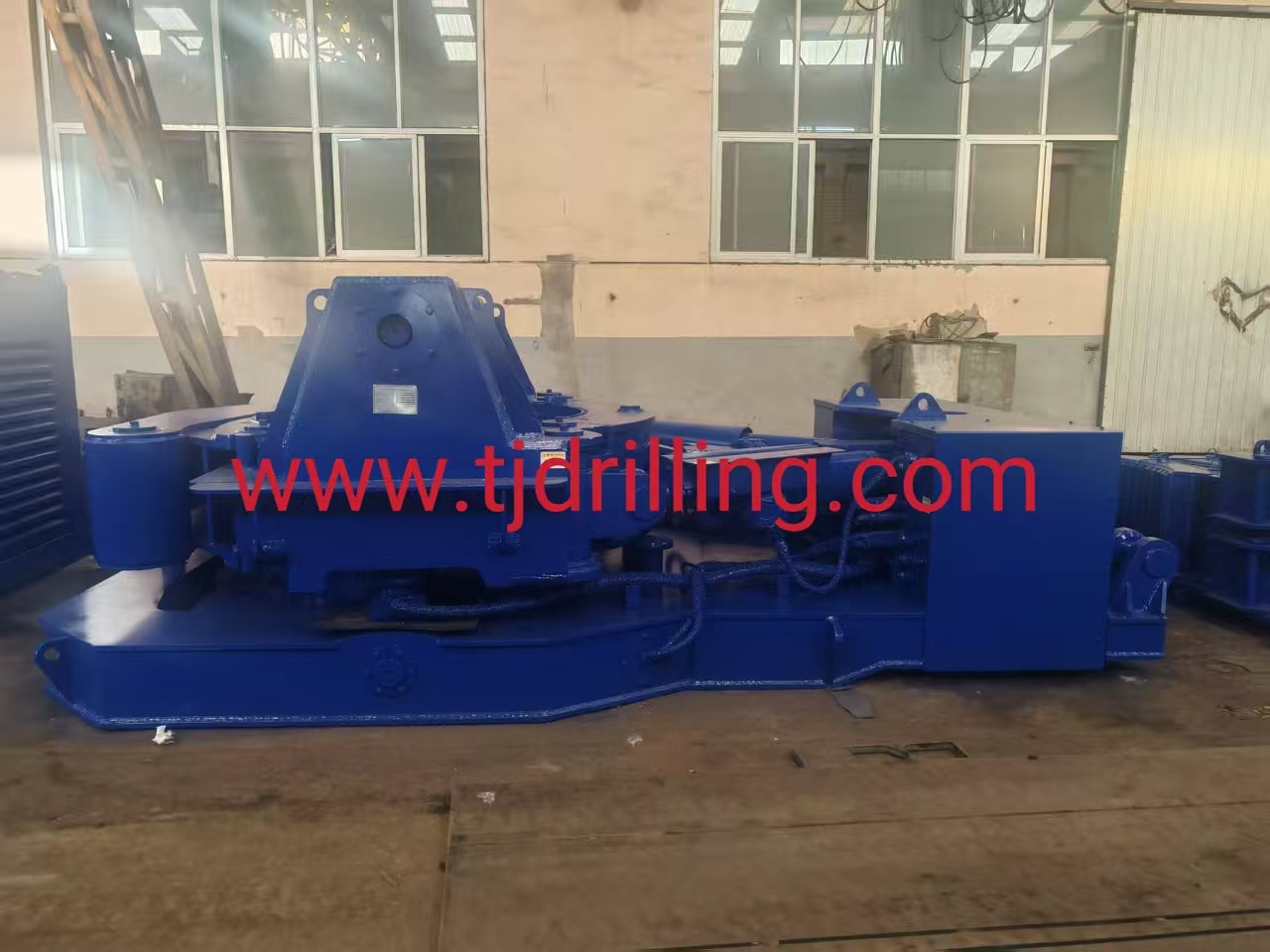
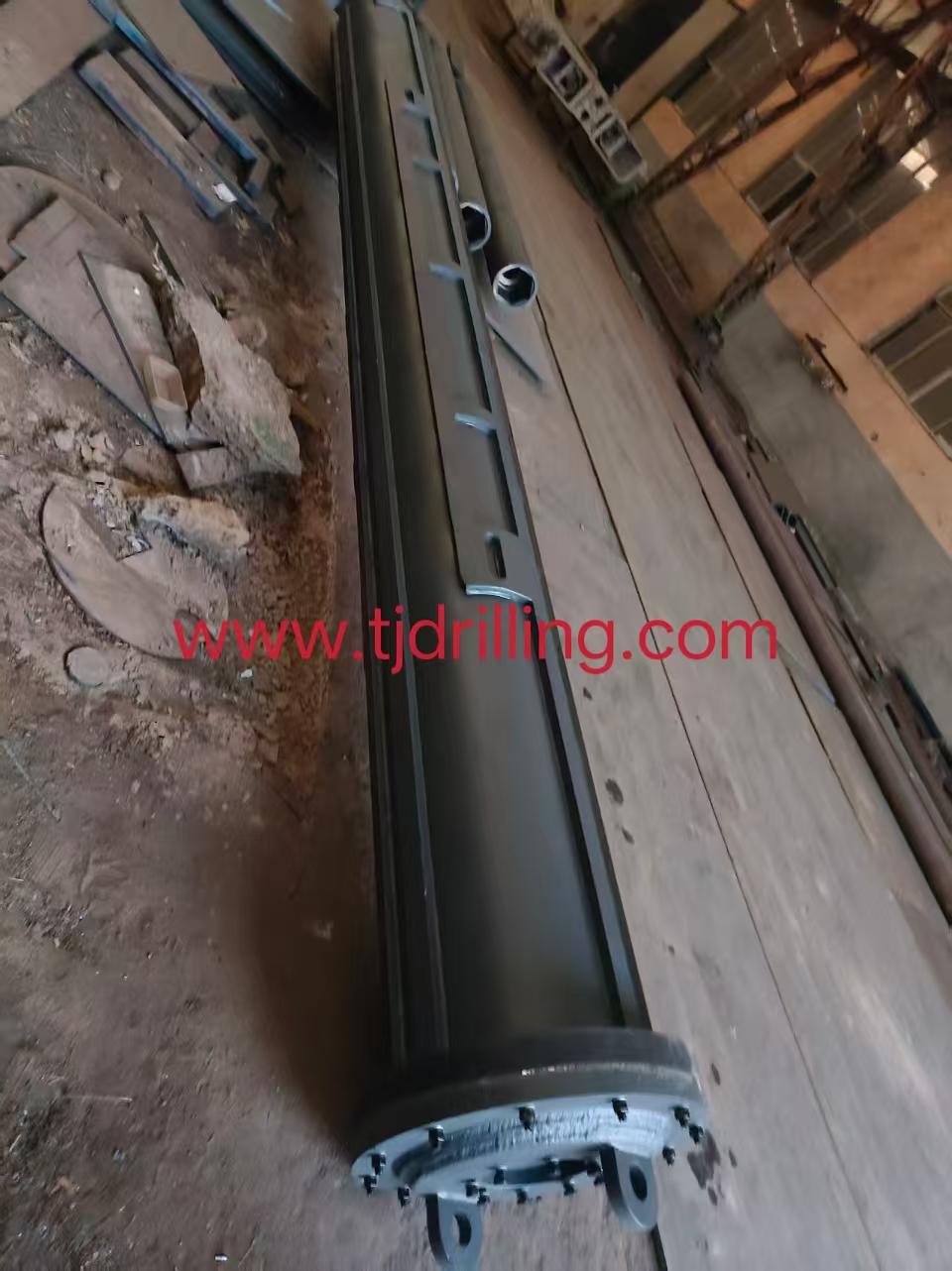
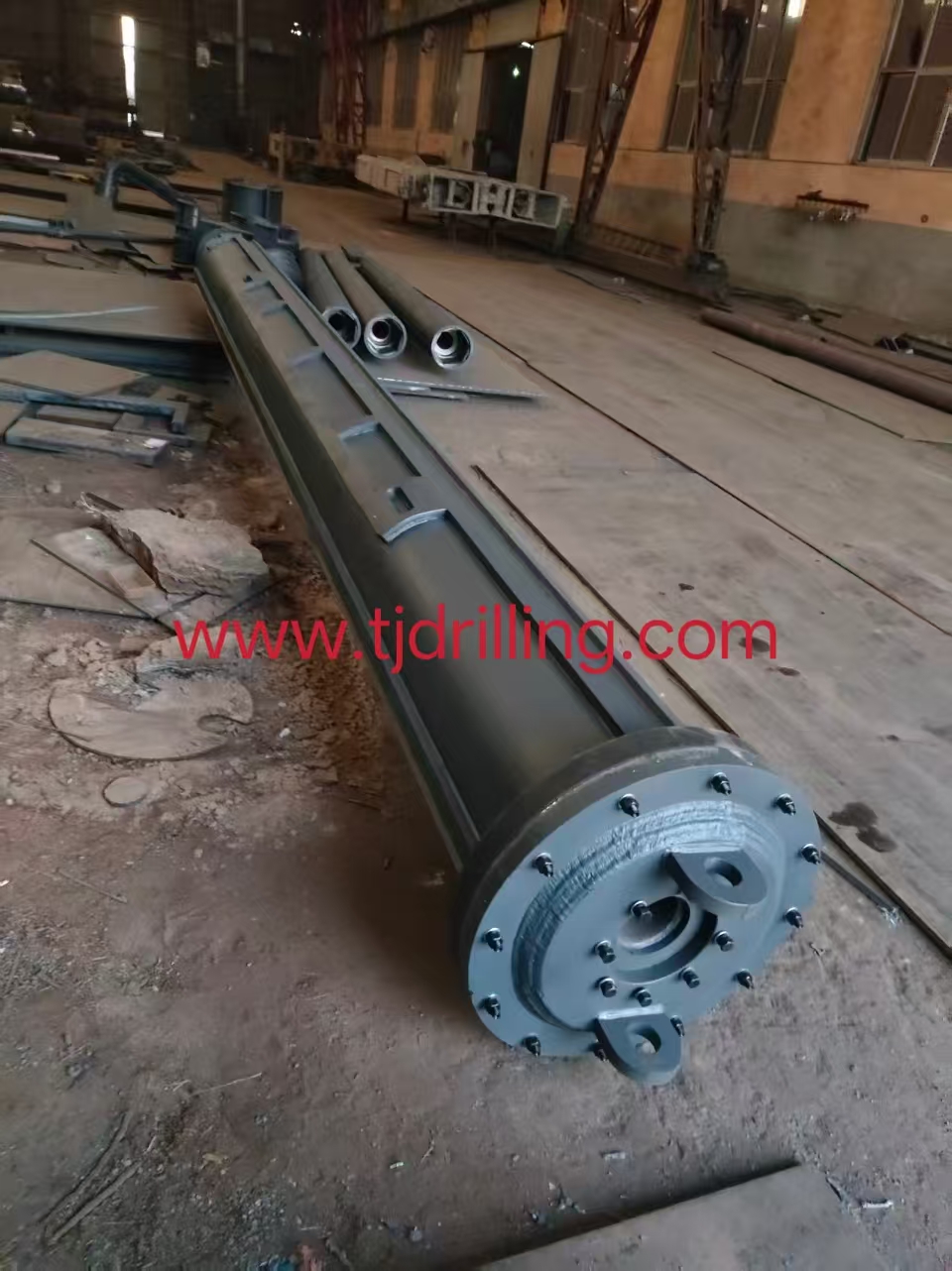
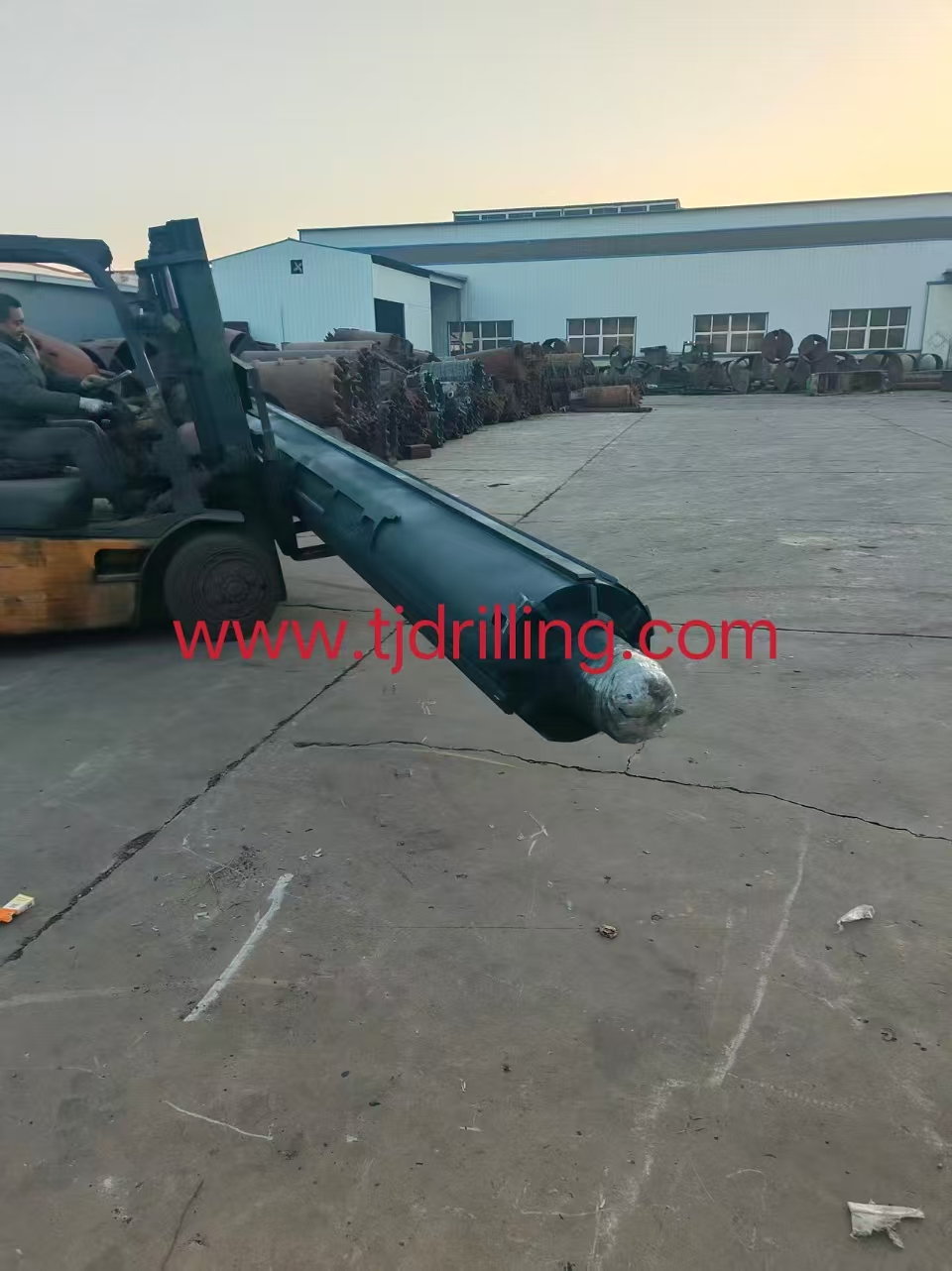
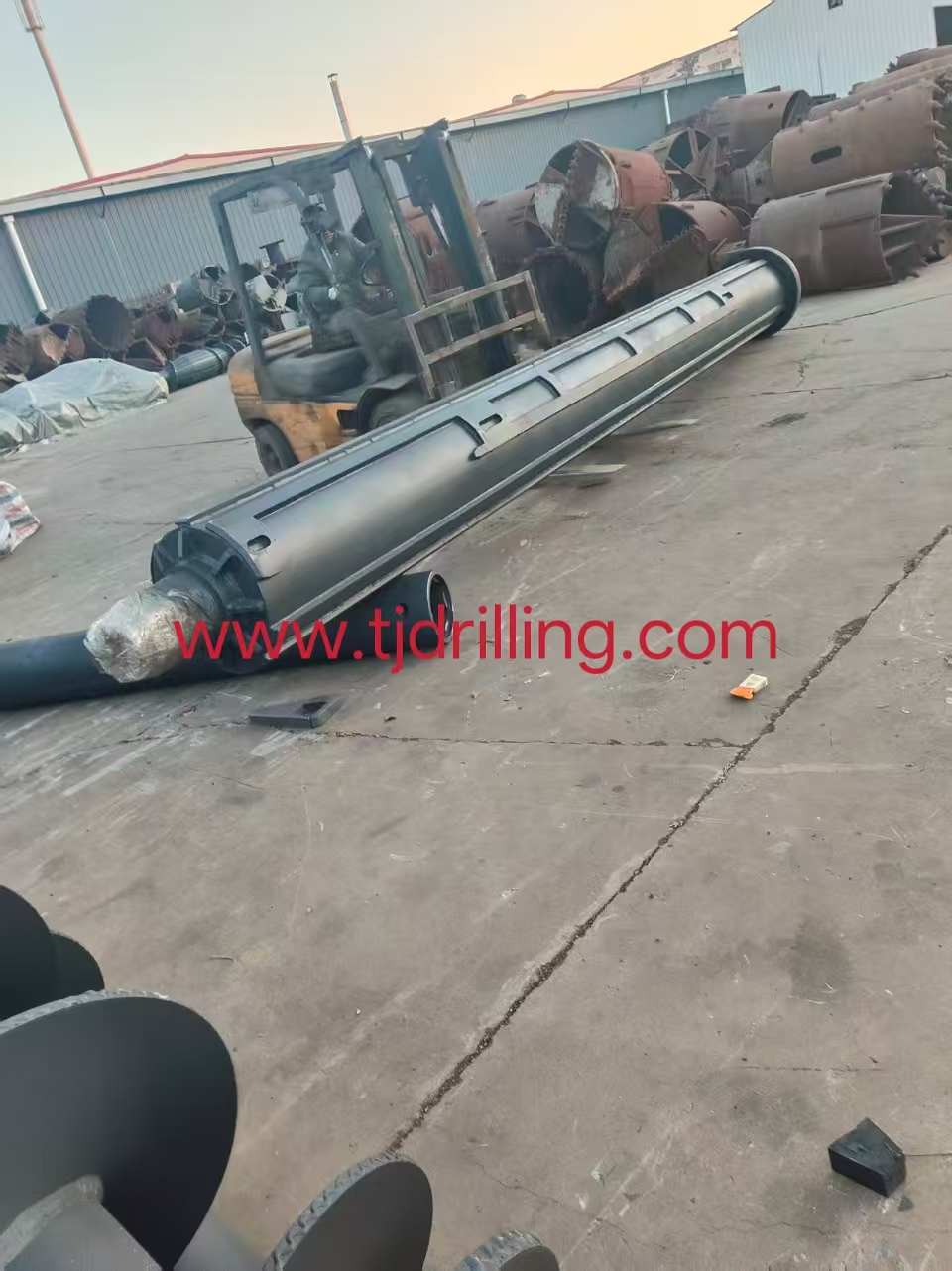
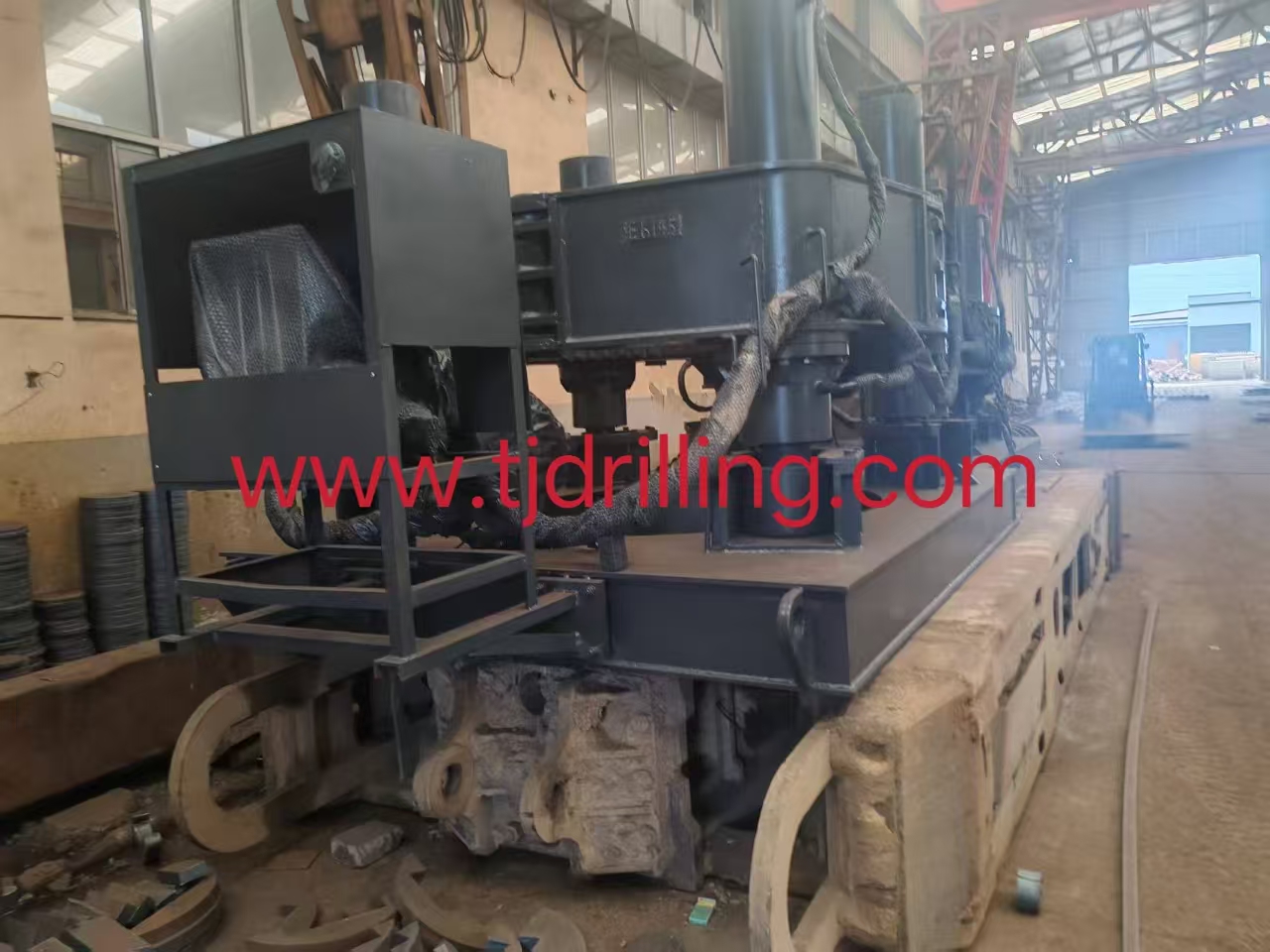
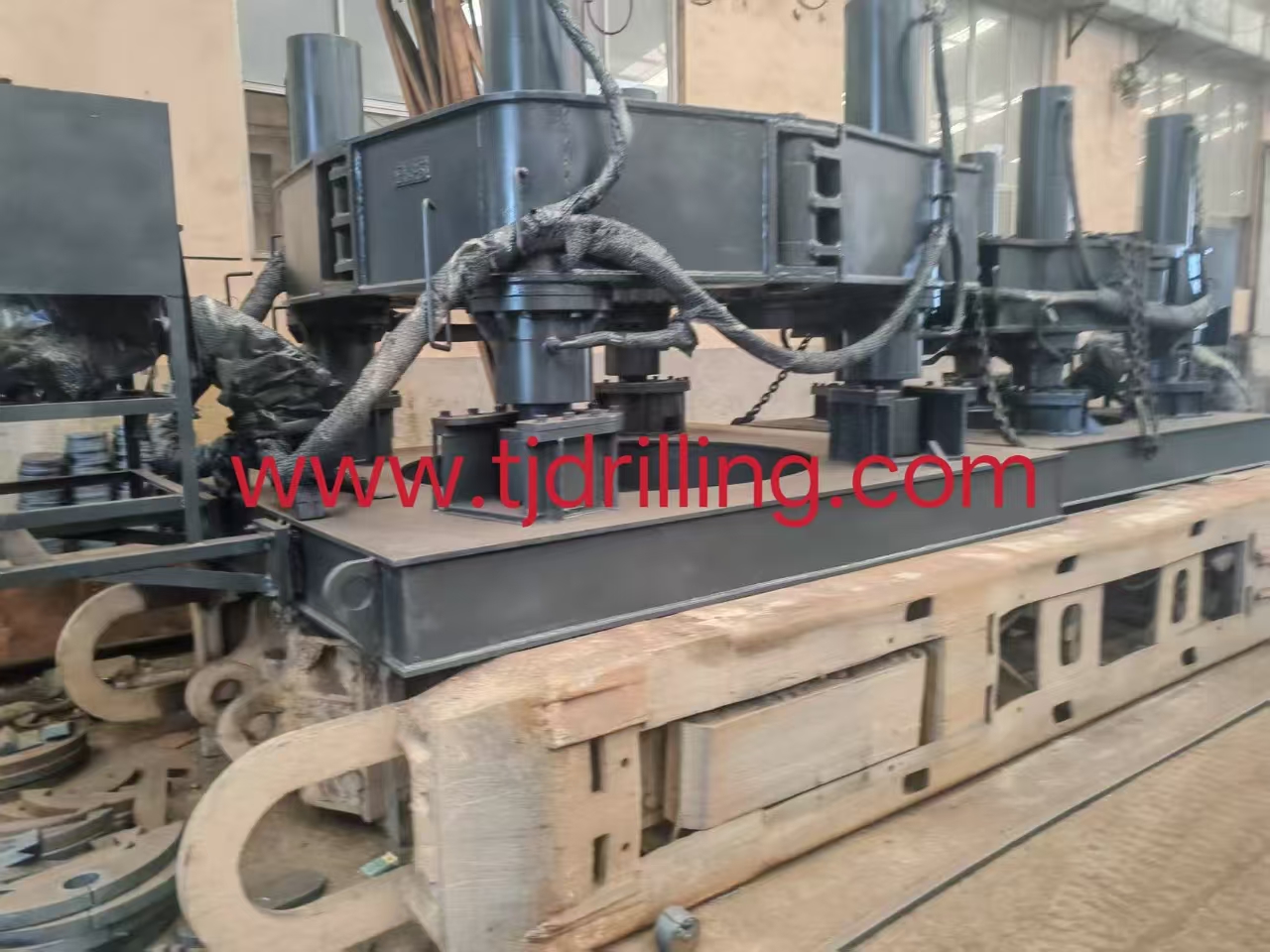
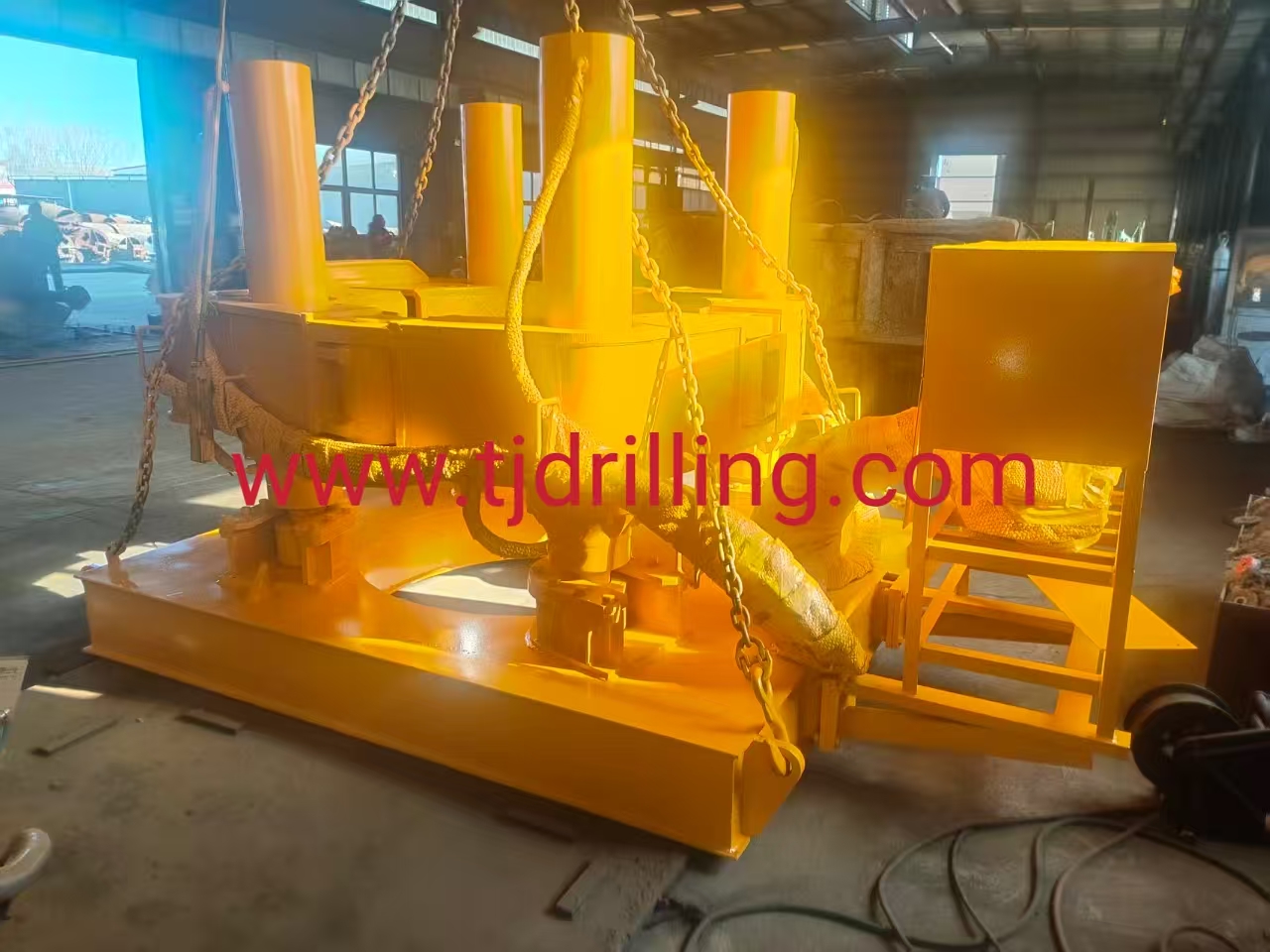
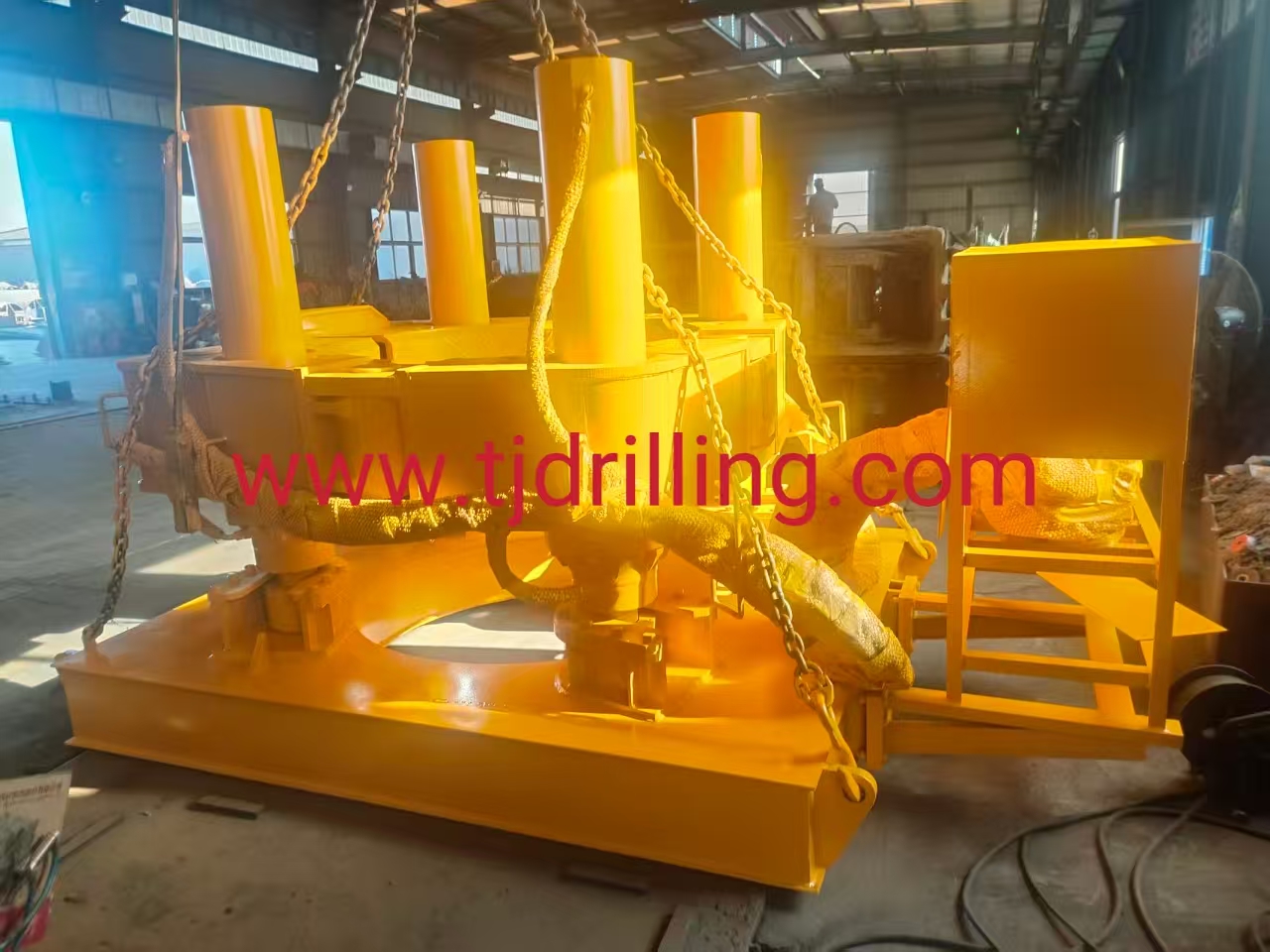
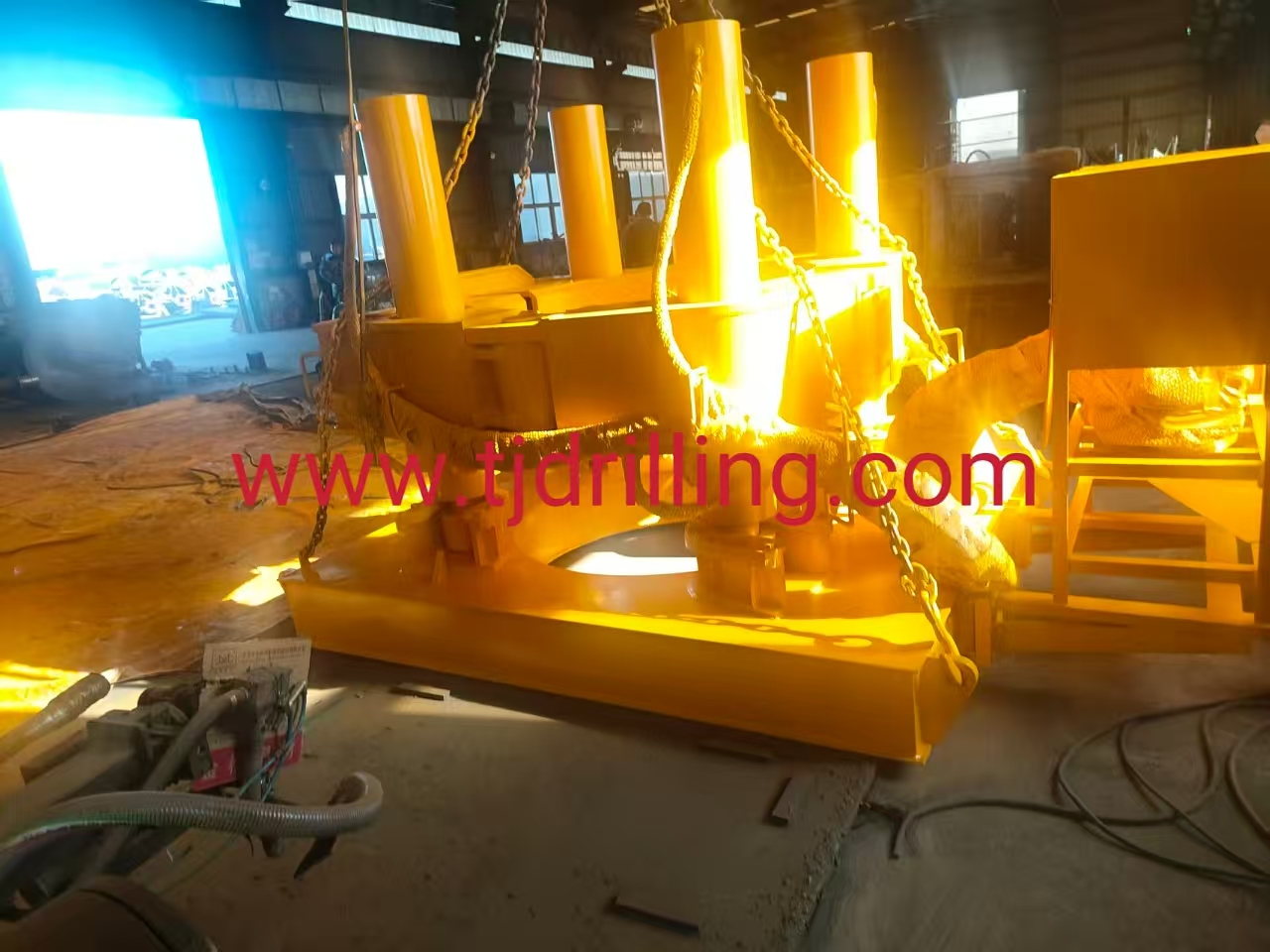
1200mm hydraulic casing extractor with Europe tier5 diesel engine power pack for secant pile foundation work

1200mm hydraulic casing extractor with Europe tier5 diesel engine power pack for secant pile foundation work

Tianjin huachang xingye technology co ltd can produce 400-3000mm casing extractor , can add different size reduction insert suit to different casing pipe , our hydraulic casing extractor can use different hydraulic power pack Diesel engine power and electricity motor power pack. They are hydraulic clamping machines to pull out casing pile pipe or similar pipe. Pull out casing pile pipe or similar pipe. They may be coupled to the base pile machine by means of telescopic boom or they can work alo
Send Inquiry
Product details

1200mm hydraulic casing extractor with Europe tier5 diesel engine power pack for secant pile foundation work

1200mm hydraulic casing extractor used for pull out 1200mm double wall casing during cased bored pile foundation work

1200mm hydraulic casing extractor with electricity motor power pack used for pull out od1200mm double wall casing during secant pile foundation work

1200mm hydraulic casing puller used for pull out double wall casing in cased bored pile foundation work

Casing extractor hydraulic type od1200mm used for pull out 1200mm double wall casing in secant pile foundation work

1180mm hydraulic casing extractor used for pull out od1180/1100mm double wall casing pile

1200mm Hydraulic Casing Extractor with 1000mm Reduction Insert Used for Pull out Od1200mm Double Wall Casing During Secant Pile Foundation Work

1000mm hydraulic casing extractor with 880mm reduction insert used for pull out od1000/id920mm double wall casing during secant pile foundation work
880mm hydraulic casing extractor used for pull out od880/id800mm double wall casing during secant pile foundation work
1500mm hydraulic casing extractor with 1200mm reduction insert used for pull out od1500/id1400mm double wall casing during secant pile foundation work
 1600mm hydraulic casing extractor  used for pull out od1600/id1520mm double wall casing during secant pile foundation work 1800mm hydraulic casing extractor  used for pull out od1800/id1700mm double wall casing during secant pile foundation work
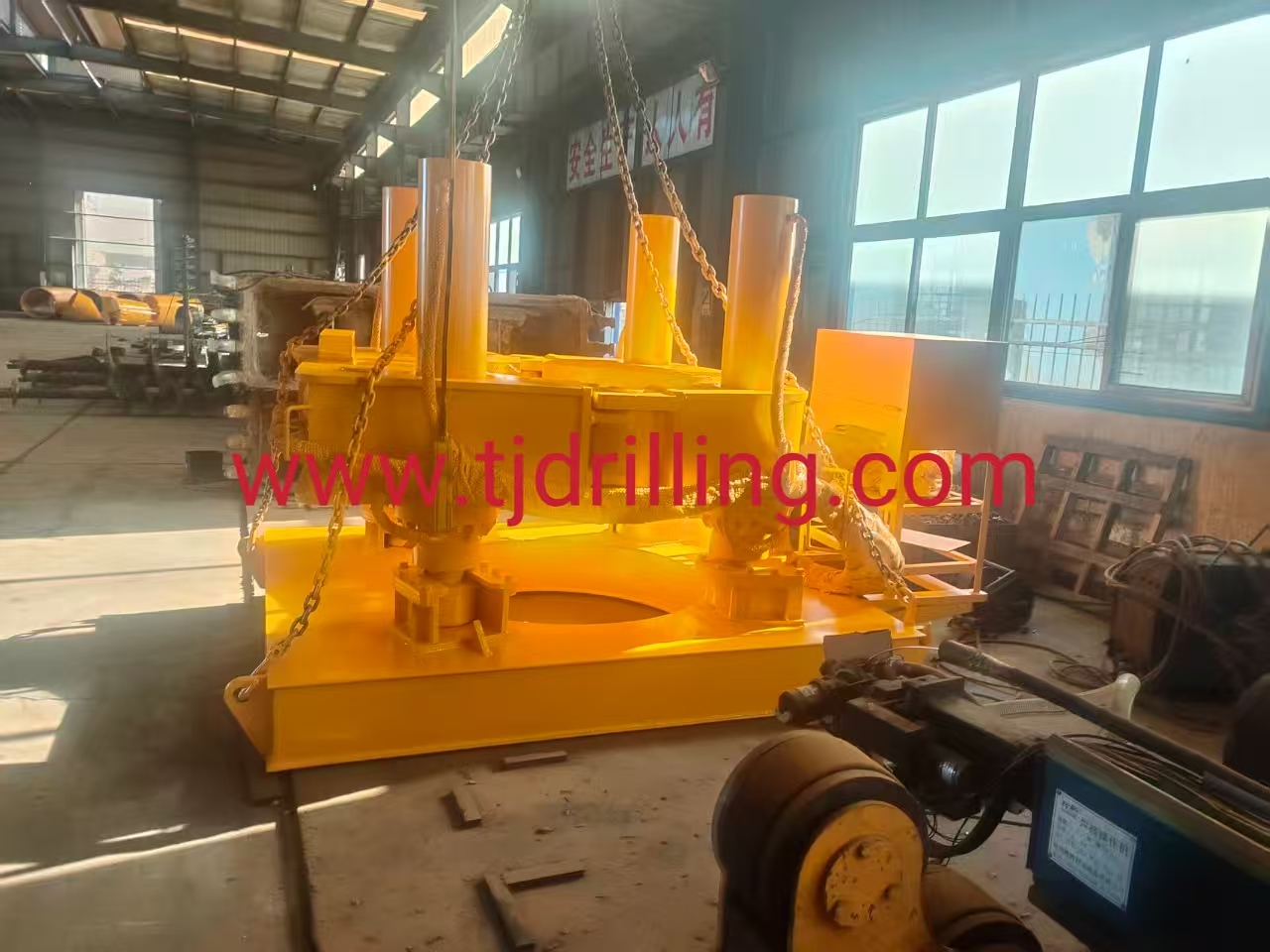
2000mm hydraulic casing extractor  used for pull out od1800/id1700mm double wall casing during secant pile foundation work
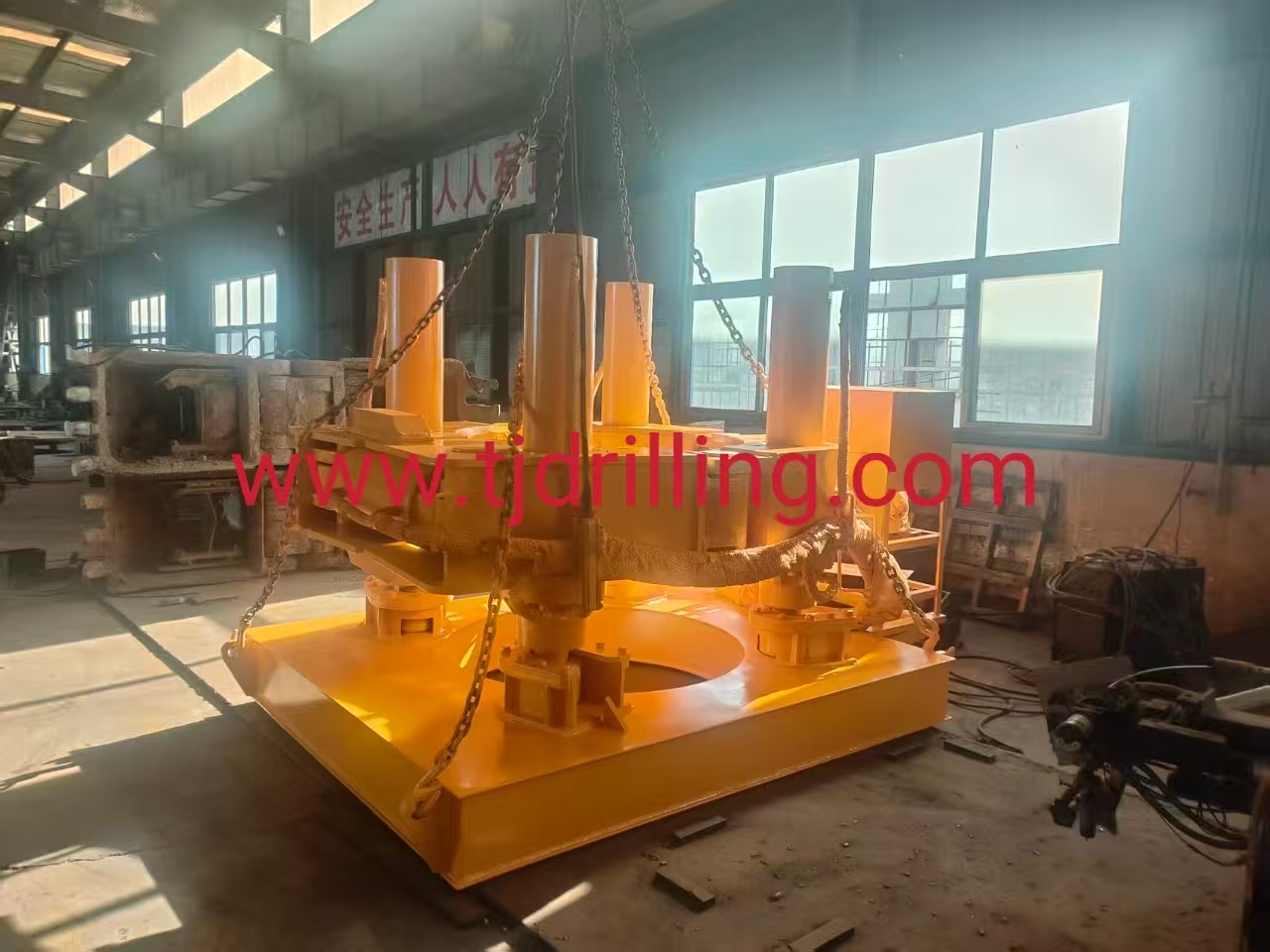
微信图片_20260501105743_7368_4.jpg

微信图片_20260501105741_7367_4.jpg

微信图片_20260501105739_7366_4.jpg

微信图片_20260501105737_7365_4.jpg

微信图片_20260501105736_7364_4.jpg


1. B1200 CASING EXTRACTOR  DRAWING


NAME

UNIT

PARAMETER

REMARK

LIFT CYLINDER QUANTITY

PC

4


CYLINDER MAX STROKE

mm

1000


HOLD CYLINDER QUANTITY

PC

1


MAX HOLDER FORCE

t

150


MAX CASING DIAMETER

mm

1200


RATED LIFT FORCE

t

400

BELOW 30MPa

WEIGHT

kg

6100


OUT SIZE(L×W×H)

m

3x2.2x2M

TRANSPORT SIZE

1. Specification of diesel engine power pack

MODEL

       specification

note

POWER

QSB3.9-C80


CHINA STANDARD  4 emissions

Engine power kW

75


big pump discharge l/min

150


Small pump discharge L/min

45


Working pressure:MPa

25


Hydraulic oil capacity L

900


Hydraulic oil number

YB-N46


oversize(l×W×H)(mm)

3000×2000×1700


WEIGHT  (kg)

2000


hydraulic casing extractor (often referred to as a casing jack or casing puller) is a specialized piece of heavy equipment used to retrieve temporary steel casings from the ground. While drilling rigs have their own pull-back force, they often lack the massive power required to overcome the skin friction of deep or large-diameter casings, especially in dense or "seizing" soils.

1. How It Works

The extractor acts as an auxiliary lifting unit. It consists of a heavy-duty frame, high-pressure hydraulic cylinders, and a clamping mechanism.

Clamping: The unit is positioned over the casing. Hydraulic jaws or a clamping ring "bite" onto the top of the steel casing.

Lifting (Jacking): Large hydraulic cylinders push against the ground (or a base plate) to lift the casing upward. This provides significantly more force (often hundreds of metric tons) than a standard crane or drilling rig.

Sequential Extraction: The casing is lifted in increments (strokes). Once the cylinders reach full extension, the clamp is released, the cylinders retract, and the process repeats until the friction is reduced enough for the drilling rig to take over.


2. Types of Extraction Equipment

Depending on the project requirements and the diameter of the casing, different configurations are used:

Type

Best For

Mechanism

Hydraulic Casing Jack

Recovery of stuck casings or very deep piles.

Pure vertical lifting force via 2 or 4 cylinders.

Casing Oscillator

Simultaneous drilling and extraction.

Rotates the casing back and forth (oscillates) while pushing/pulling.

Vibratory Hammer

Sand or non-cohesive soils.

Uses high-frequency vibration to "liquefy" the soil contact and reduce friction.

3. Key Technical Specifications

When evaluating a hydraulic extractor, the following parameters are critical:

Lifting Force: Usually measured in kilonewtons (kN) or tons. Common units range from 2,000 kN to over 10,000 kN (approx. 200 to 1,000 tons).

Stroke Length: The distance the cylinders can move in one cycle (typically 400mm to 1,000mm).

Clamping Force: The pressure applied to the casing to prevent slippage during the lift.

Maximum Diameter: The largest casing size the unit can accommodate (e.g., 2,000mm, 2,500mm, or 3,000mm).


4. When is an Extractor Necessary?

High Skin Friction: In stiff clays or dense sands where the surface area of the casing creates resistance beyond the rig's capacity.

Extended "Set" Time: If concrete pouring takes longer than expected, the casing can become "bound" to the surrounding soil as it settles.

Obstructions: If a casing becomes deformed or wedged against boulders or old foundations.

Deep Bored Piles: For piles exceeding 50–60 meters where the total weight and friction of the casing string are immense.

5. Operational Considerations

Base Stability: The ground around the borehole must be reinforced or use large spreader plates. Because the extractor pushes down on the soil to pull the casing up, poor ground stability can lead to the extractor sinking or the borehole collapsing.

Synchronization: It is vital to ensure the cylinders extend at the same rate to avoid tilting the casing, which can cause it to jam or damage the steel joints.


When is an casing Extractor Necessary?

hydraulic casing extractor becomes a technical necessity when the extraction force required to pull a temporary steel casing exceeds the safe operating limit of the piling rigs winch or pull-back system.

In deep foundation work, the primary enemy is skin frictionthe grip the surrounding soil has on the surface of the steel casing.

1. Soil Conditions (High Skin Friction)

The type of strata significantly impacts how easily a casing can be removed. An extractor is typically required in:

Stiff Clays: These soils can create a "suction" effect and high adhesive friction against the steel.

Dense Sands and Gravels: These materials can wedge themselves against the casing, creating immense lateral pressure.

Artesian Conditions: Upward water pressure or shifting soil can increase the "grip" on the casing unexpectedly.

2. Rig Pulling Capacity Limits

Every drilling rig has a rated "pull-back" force. However, using 100% of a rig's capacity to pull a stuck casing puts extreme stress on the mast, hydraulic lines, and winches.

Safety Margin: Engineers often bring in an extractor if the estimated friction is within 80% or more of the rigs capacity to avoid mechanical failure or "tipping" risks.

Mast Protection: Continual high-force pulling can lead to fatigue or misalignment of the rig's mast. An extractor transfers that force directly to the ground via its base plates, bypassing the rig entirely.

3. Large Diameter and Extreme Depth

As the diameter and depth of a pile increase, the surface area of the casing increases exponentially.

Surface Area: A 2,000mm diameter casing has significantly more contact area with the soil than a 1,200mm casing.

Deep Piles: Once casings exceed 4050 meters, the combined weight of the steel and the total skin friction often necessitates auxiliary lifting power.

4. Time Delays and Concrete Curing

If there is a delay during the concrete pour (e.g., equipment breakdown or delivery issues), the concrete can begin to set or "bite" onto the casing.

Concrete Bond: If the concrete reaches its initial set while the casing is still in the hole, the friction increases to a point where a standard rig cannot move it. The extractor's massive vertical force is required to break this bond.

5. Summary Table: Necessity Indicators

Factor

Threshold for Extractor Necessity

Extraction Force

Required force > 80% of Rig Pull-Back capacity.

Casing Diameter

Typically required for diameters > 1,500mm in dense soil.

Borehole Depth

Often necessary for depths exceeding 50 meters.

Time Delay

If extraction starts > 4 hours after the first concrete batch (depending on mix design).

Emergency

When the casing is "stuck" and the rig's winch is stalling.


Q: Is the forklift industry ushering in a "super cycle"?

A: The industry data just released is too explosive! In October 2025, forklift sales 114,300 units, domestic and foreign sales soared by double digits (domestic sales + 16.2%, export sales + 15.4%), and the cumulative sales from January to October exceeded 1.22 million units, surging 14.2% year-on-year! On the one hand, JD.com spent 100 billion to purchase 3 million logistics robots, and on the other hand, hydrogen forklifts single order surged 108 units. The forklift industry is experiencing a "green + intelligent" dual revolution. These changes!

Q: How does a smart forklift work?

A: Have you seen how a smart forklift works? Recently, CCTV news came to Hefei and walked into the intelligent workshop of Anhui Forklift Group. Let's follow the camera. This 67-year-old enterprise is on a path of transforming and upgrading traditional industries and developing new quality productivity. Now I have come to the debugging and testing area of the mobile robot. More than a dozen cars behind me are conducting sensor calibration and basic function testing here. I am now standing on its forward path. In the eyes of the robot, I am an obstacle, and it will automatically stop.

Q: Smart Forklift "Create a new model of safety supervision?

A: According to the staff of Xinhe Food, the system integrates a number of intelligent management functions, and builds a comprehensive protection system through comprehensive digital control of personnel, vehicles and behaviors. The personnel management module realizes the digitization of the driver's account and real-time early warning; the vehicle positioning function ensures the safe operation of the forklift in the electronic fence; the operation early warning actively reminds to fasten the seat belt; the identification mechanism strictly restricts only the filing personnel to operate the vehicle, fundamentally eliminating unlicensed driving. At the same time, the system also has data analytics capabilities to provide reliable data support for vehicle scheduling and performance mangement.

Product Inquiry

Whatsapp

Skype

VK

Send Inquiry

We use cookie to improve your online experience. By continuing to browse this website, you agree to our use of cookie.

Cookies

Please read our Terms and Conditions and this Policy before accessing or using our Services. If you cannot agree with this Policy or the Terms and Conditions, please do not access or use our Services. If you are located in a jurisdiction outside the European Economic Area, by using our Services, you accept the Terms and Conditions and accept our privacy practices described in this Policy.
We may modify this Policy at any time, without prior notice, and changes may apply to any Personal Information we already hold about you, as well as any new Personal Information collected after the Policy is modified. If we make changes, we will notify you by revising the date at the top of this Policy. We will provide you with advanced notice if we make any material changes to how we collect, use or disclose your Personal Information that impact your rights under this Policy. If you are located in a jurisdiction other than the European Economic Area, the United Kingdom or Switzerland (collectively “European Countries”), your continued access or use of our Services after receiving the notice of changes, constitutes your acknowledgement that you accept the updated Policy. In addition, we may provide you with real time disclosures or additional information about the Personal Information handling practices of specific parts of our Services. Such notices may supplement this Policy or provide you with additional choices about how we process your Personal Information.


Cookies

Cookies are small text files stored on your device when you access most Websites on the internet or open certain emails. Among other things, Cookies allow a Website to recognize your device and remember if you've been to the Website before. Examples of information collected by Cookies include your browser type and the address of the Website from which you arrived at our Website as well as IP address and clickstream behavior (that is the pages you view and the links you click).We use the term cookie to refer to Cookies and technologies that perform a similar function to Cookies (e.g., tags, pixels, web beacons, etc.). Cookies can be read by the originating Website on each subsequent visit and by any other Website that recognizes the cookie. The Website uses Cookies in order to make the Website easier to use, to support a better user experience, including the provision of information and functionality to you, as well as to provide us with information about how the Website is used so that we can make sure it is as up to date, relevant, and error free as we can. Cookies on the Website We use Cookies to personalize your experience when you visit the Site, uniquely identify your computer for security purposes, and enable us and our third-party service providers to serve ads on our behalf across the internet.

We classify Cookies in the following categories:
 ●  Strictly Necessary Cookies
 ●  Performance Cookies
 ●  Functional Cookies
 ●  Targeting Cookies


Cookie List
A cookie is a small piece of data (text file) that a website – when visited by a user – asks your browser to store on your device in order to remember information about you, such as your language preference or login information. Those cookies are set by us and called first-party cookies. We also use third-party cookies – which are cookies from a domain different than the domain of the website you are visiting – for our advertising and marketing efforts. More specifically, we use cookies and other tracking technologies for the following purposes:

Strictly Necessary Cookies
These cookies are necessary for the website to function and cannot be switched off in our systems. They are usually only set in response to actions made by you which amount to a request for services, such as setting your privacy preferences, logging in or filling in forms. You can set your browser to block or alert you about these cookies, but some parts of the site will not then work. These cookies do not store any personally identifiable information.

Functional Cookies
These cookies enable the website to provide enhanced functionality and personalisation. They may be set by us or by third party providers whose services we have added to our pages. If you do not allow these cookies then some or all of these services may not function properly.

Performance Cookies
These cookies allow us to count visits and traffic sources so we can measure and improve the performance of our site. They help us to know which pages are the most and least popular and see how visitors move around the site. All information these cookies collect is aggregated and therefore anonymous. If you do not allow these cookies we will not know when you have visited our site, and will not be able to monitor its performance.

Targeting Cookies
These cookies may be set through our site by our advertising partners. They may be used by those companies to build a profile of your interests and show you relevant adverts on other sites. They do not store directly personal information, but are based on uniquely identifying your browser and internet device. If you do not allow these cookies, you will experience less targeted advertising.

How To Turn Off Cookies
You can choose to restrict or block Cookies through your browser settings at any time. Please note that certain Cookies may be set as soon as you visit the Website, but you can remove them using your browser settings. However, please be aware that restricting or blocking Cookies set on the Website may impact the functionality or performance of the Website or prevent you from using certain services provided through the Website. It will also affect our ability to update the Website to cater for user preferences and improve performance. Cookies within Mobile Applications

We only use Strictly Necessary Cookies on our mobile applications. These Cookies are critical to the functionality of our applications, so if you block or delete these Cookies you may not be able to use the application. These Cookies are not shared with any other application on your mobile device. We never use the Cookies from the mobile application to store personal information about you.

If you have questions or concerns regarding any information in this Privacy Policy, please contact us by email at . You can also contact us via our customer service at our Site.