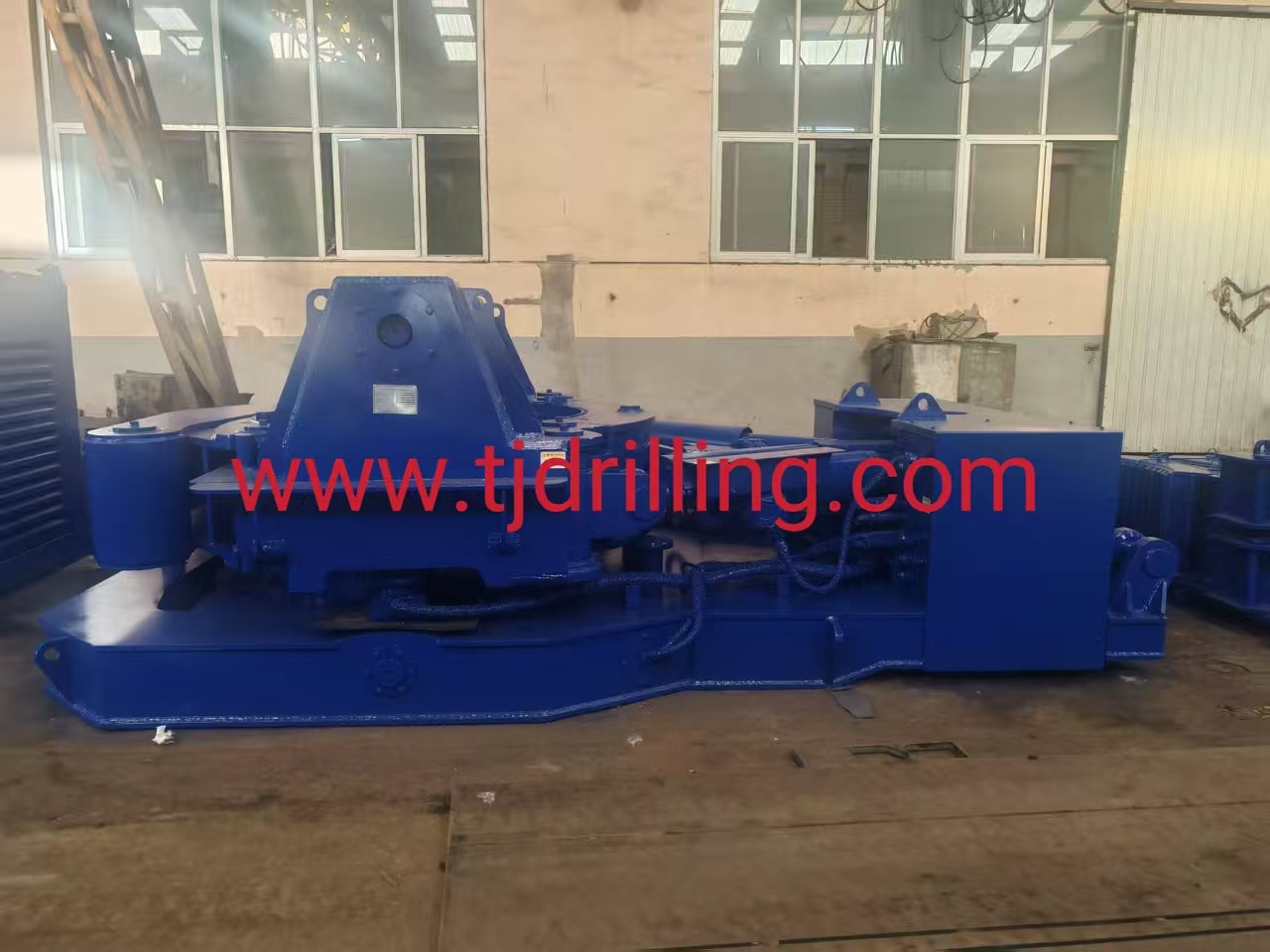
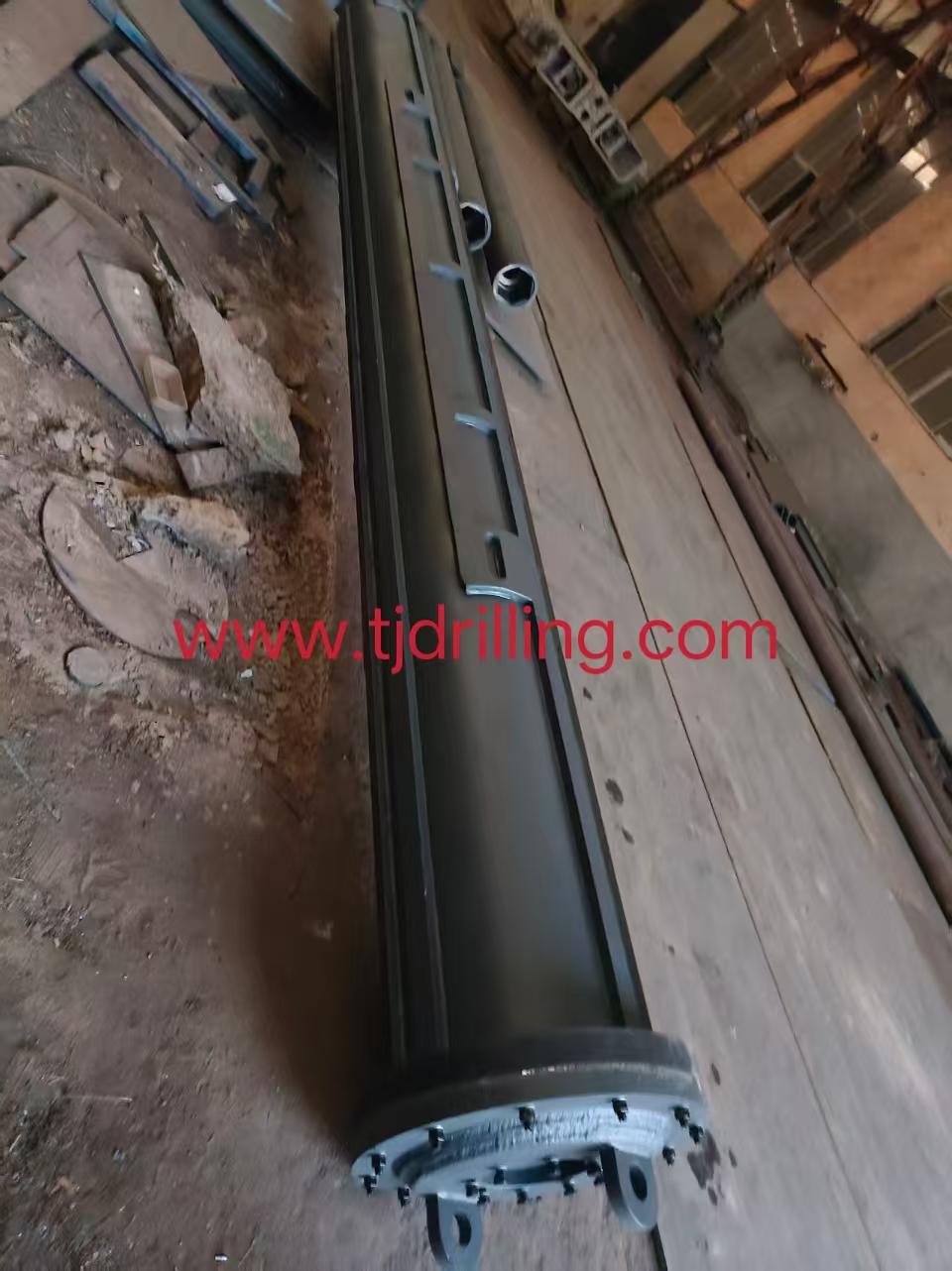
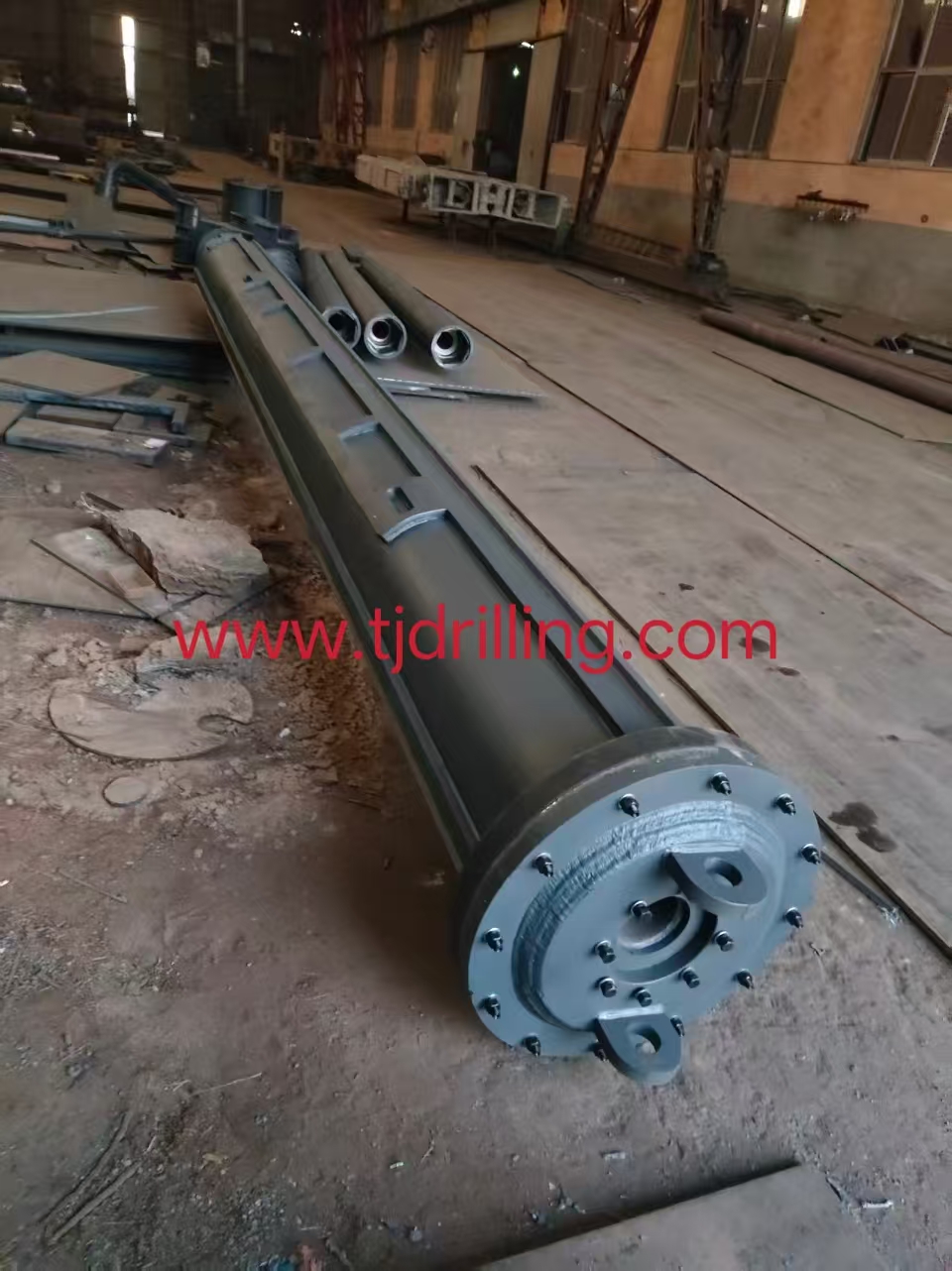
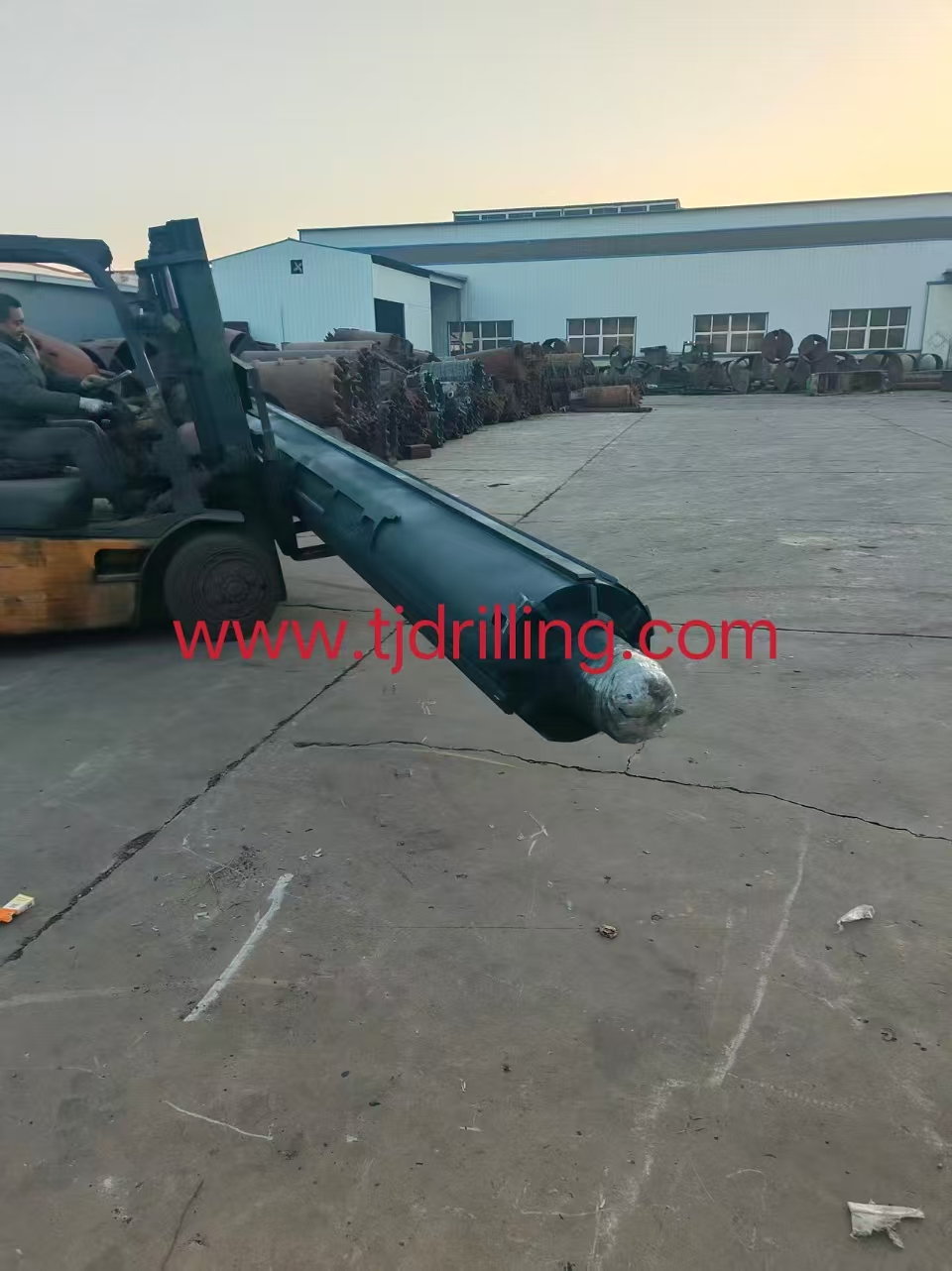
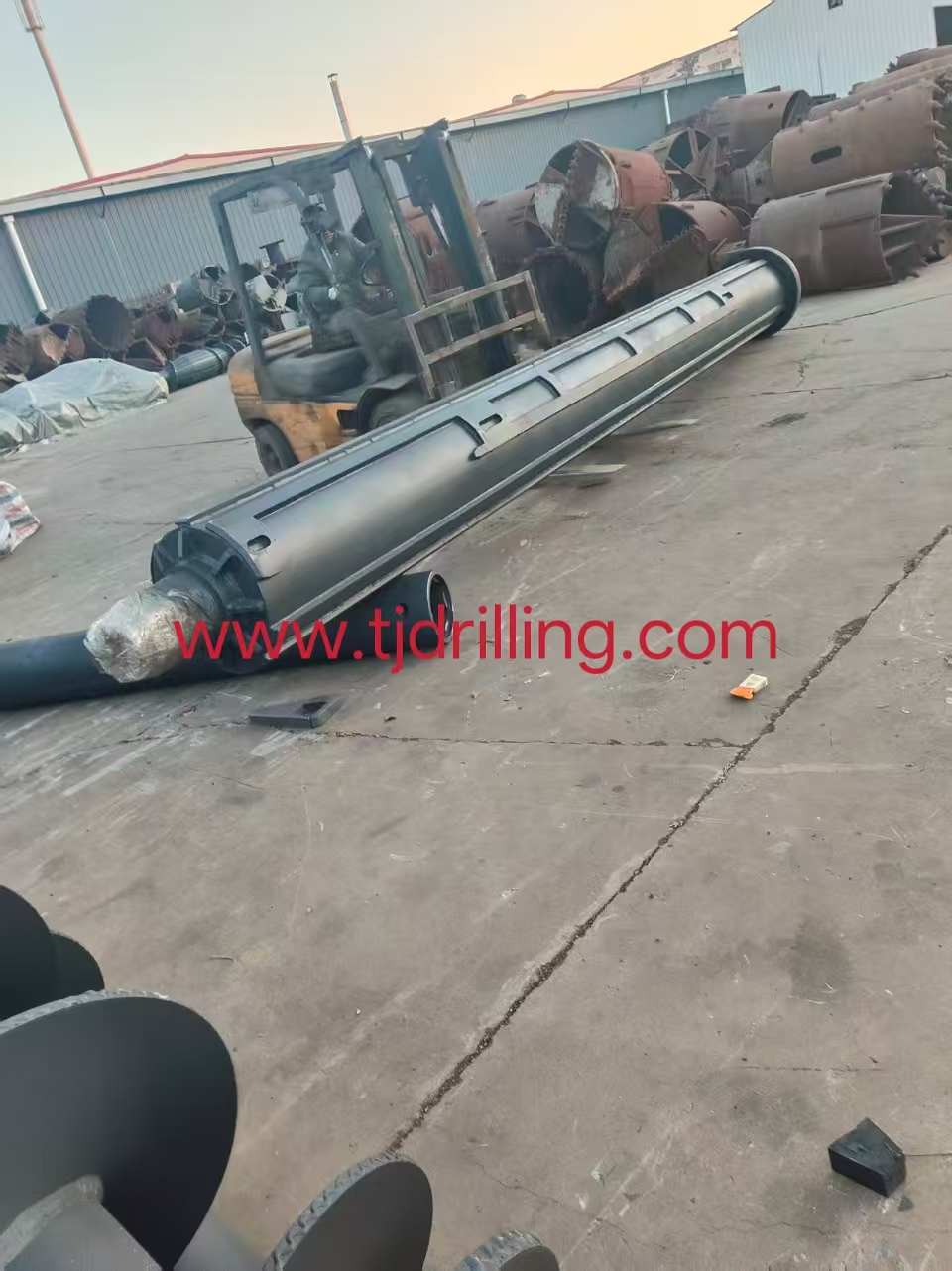
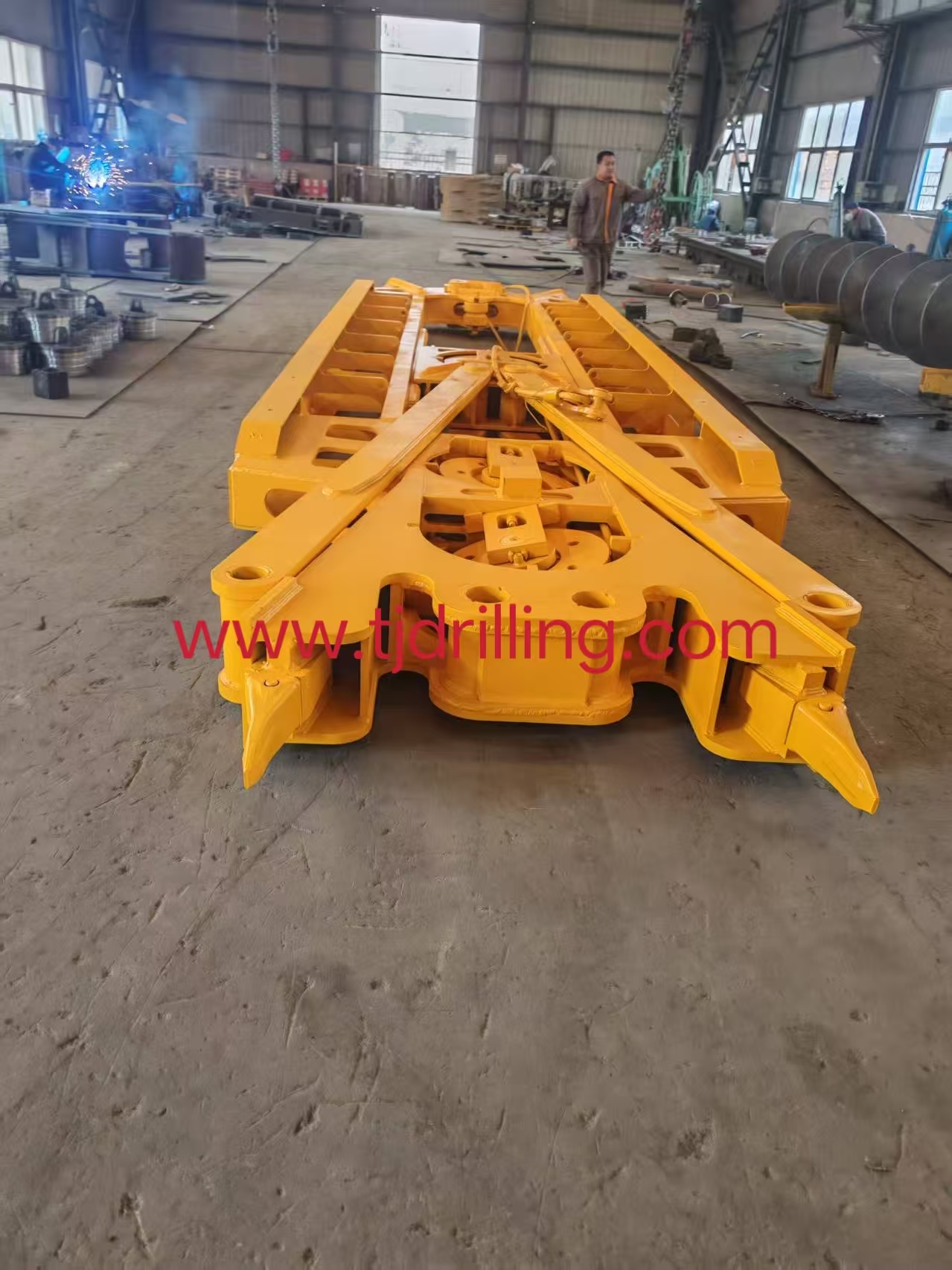
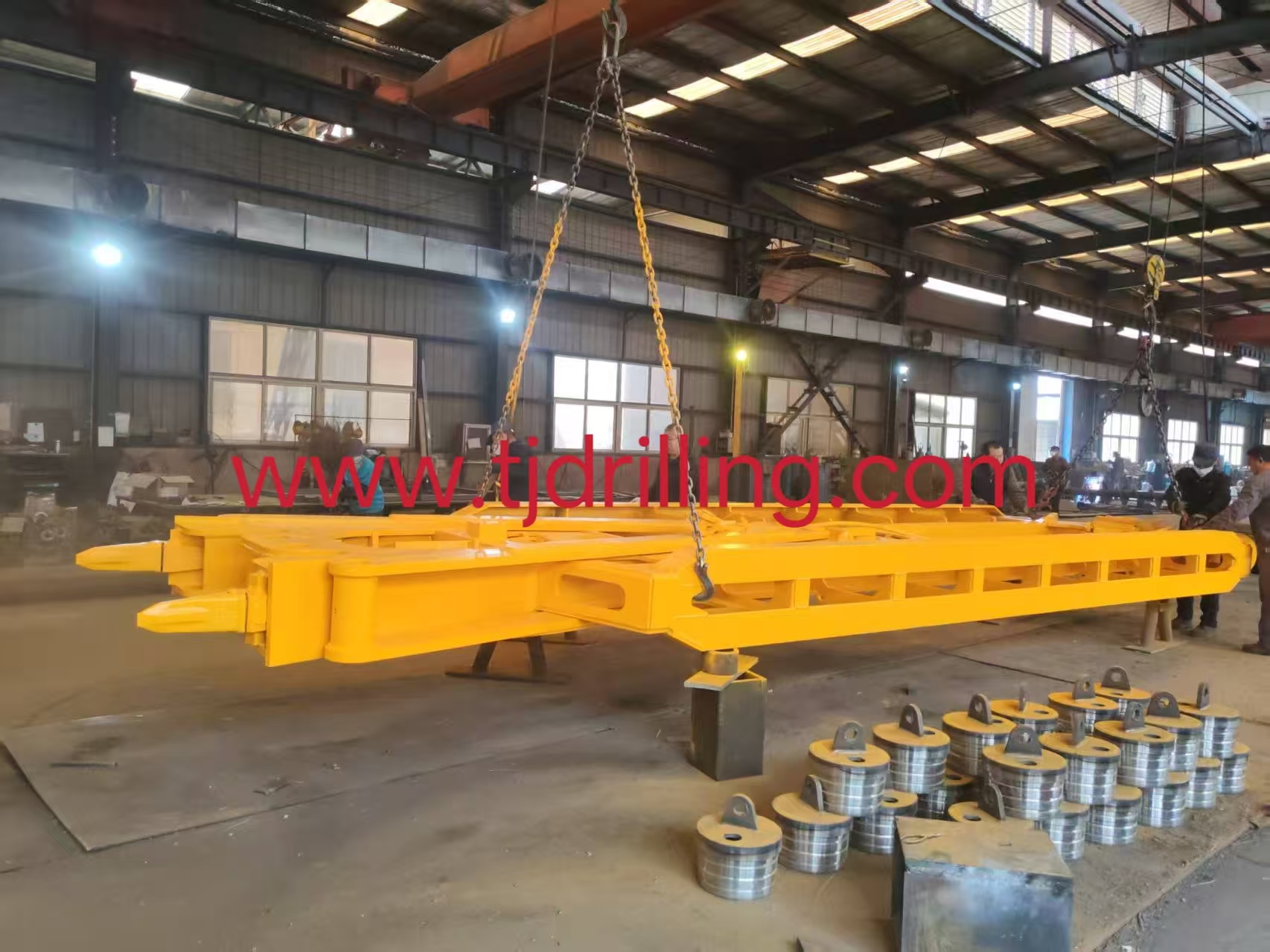
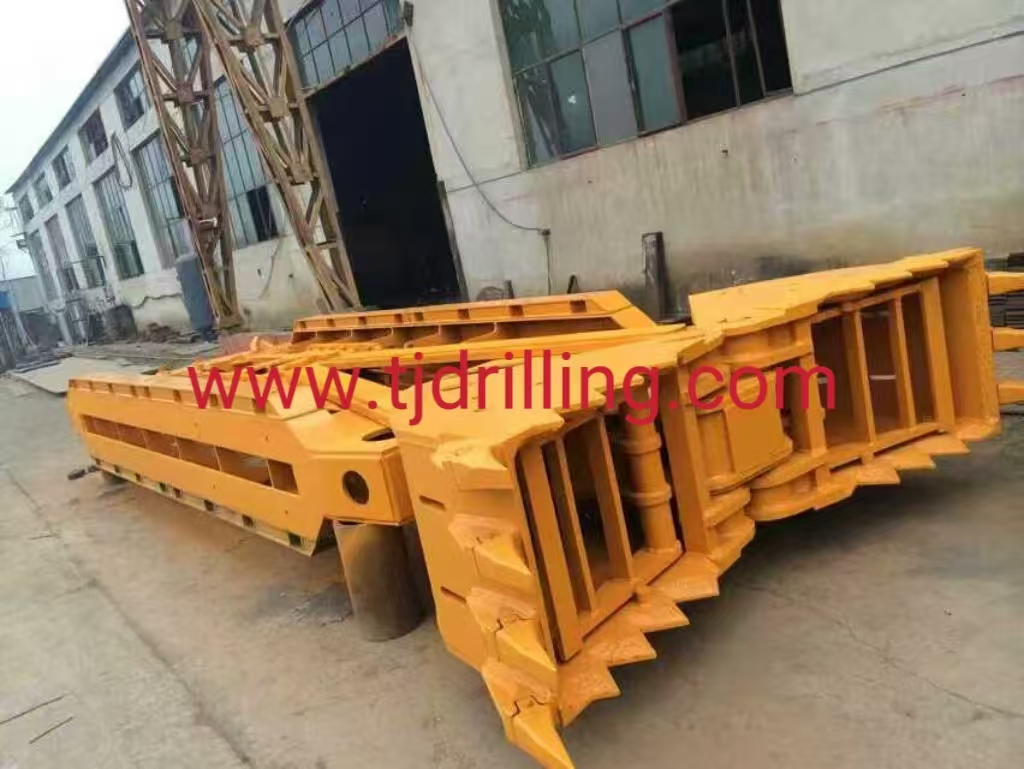
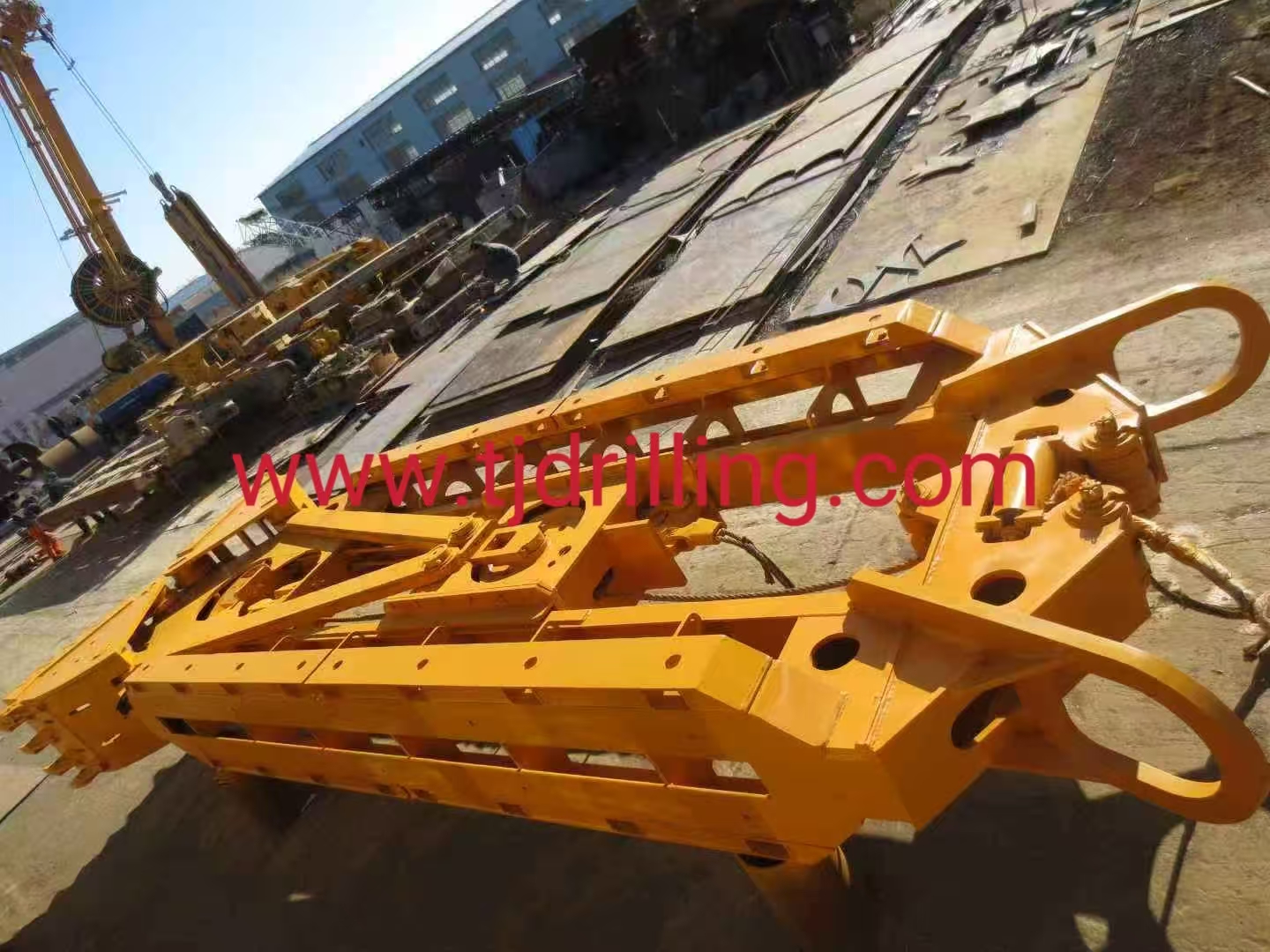
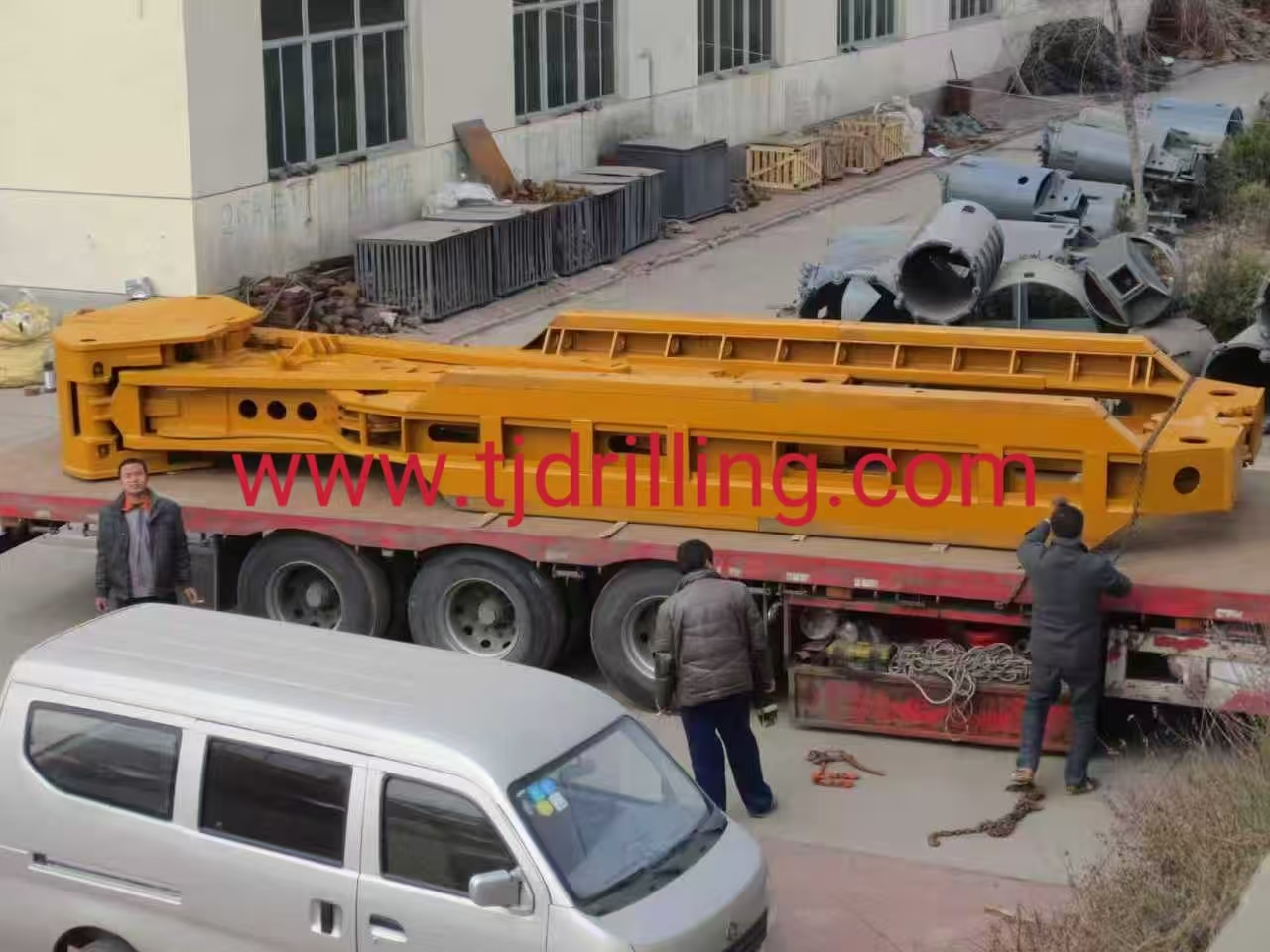
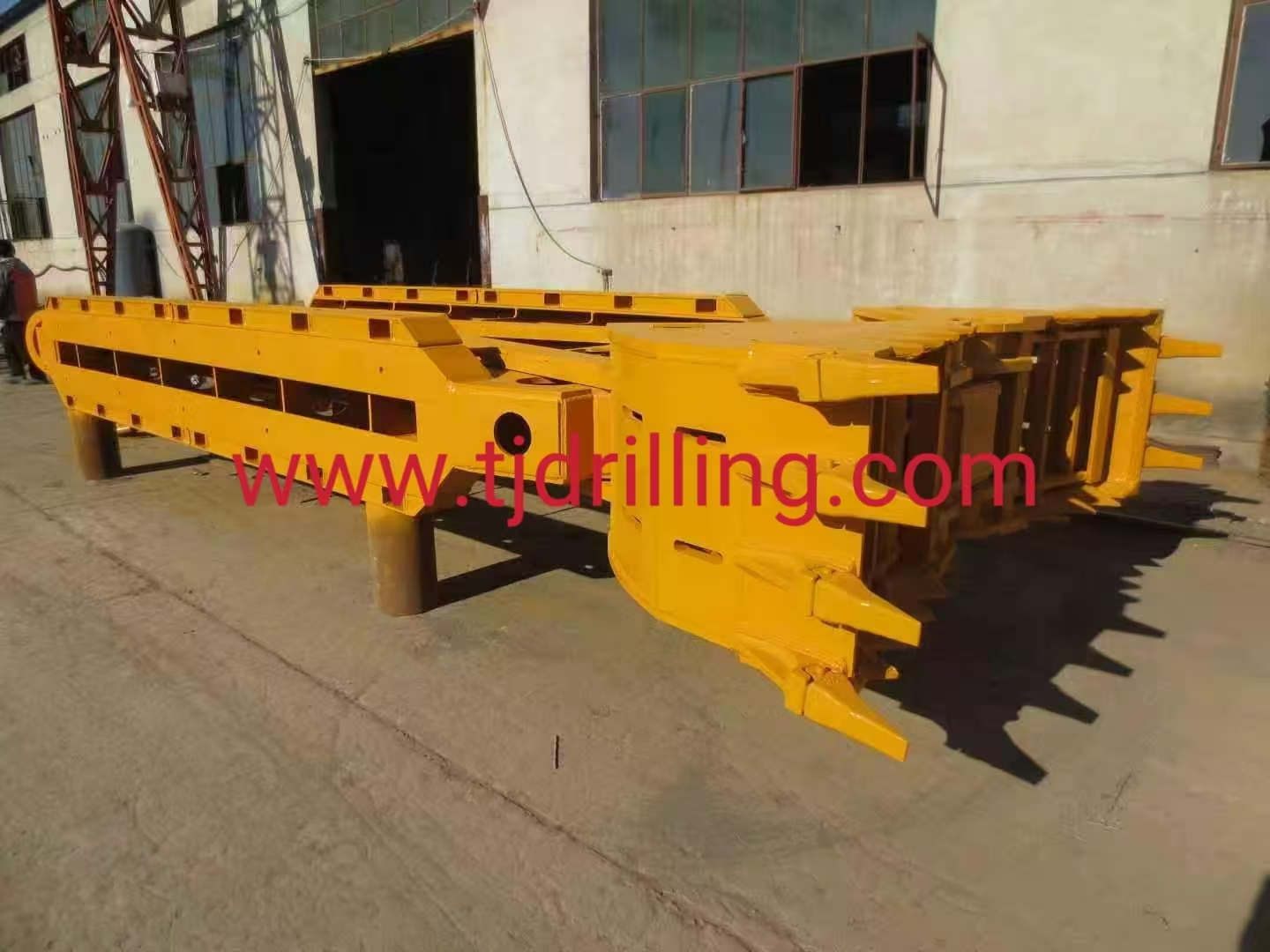
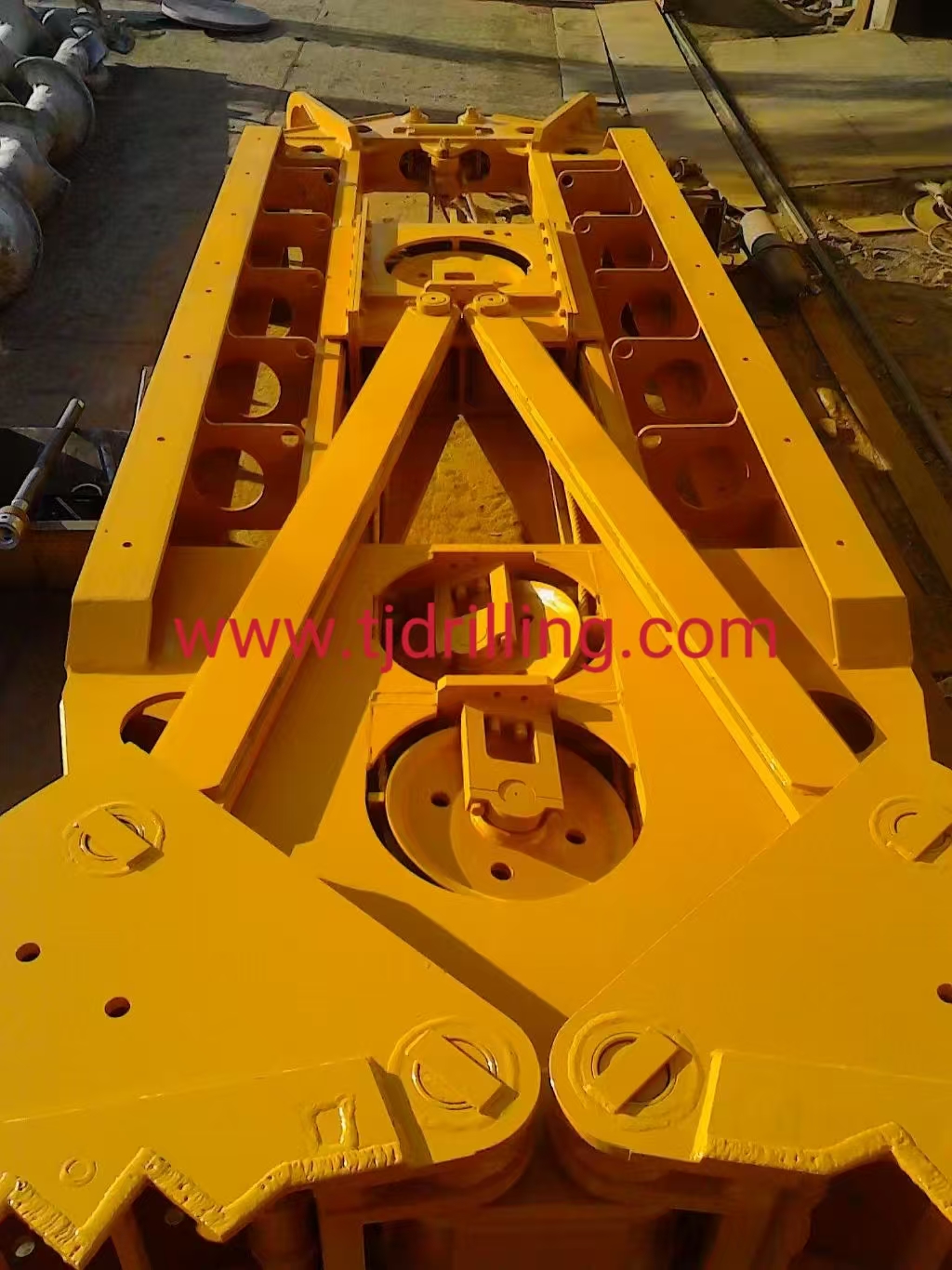
800mm Mechanical Diaphragm Wall Grab with Opening Width 2800mm for Diaphragm Wall Contruction

800mm Mechanical Diaphragm Wall Grab with Opening Width 2800mm for Diaphragm Wall Contruction
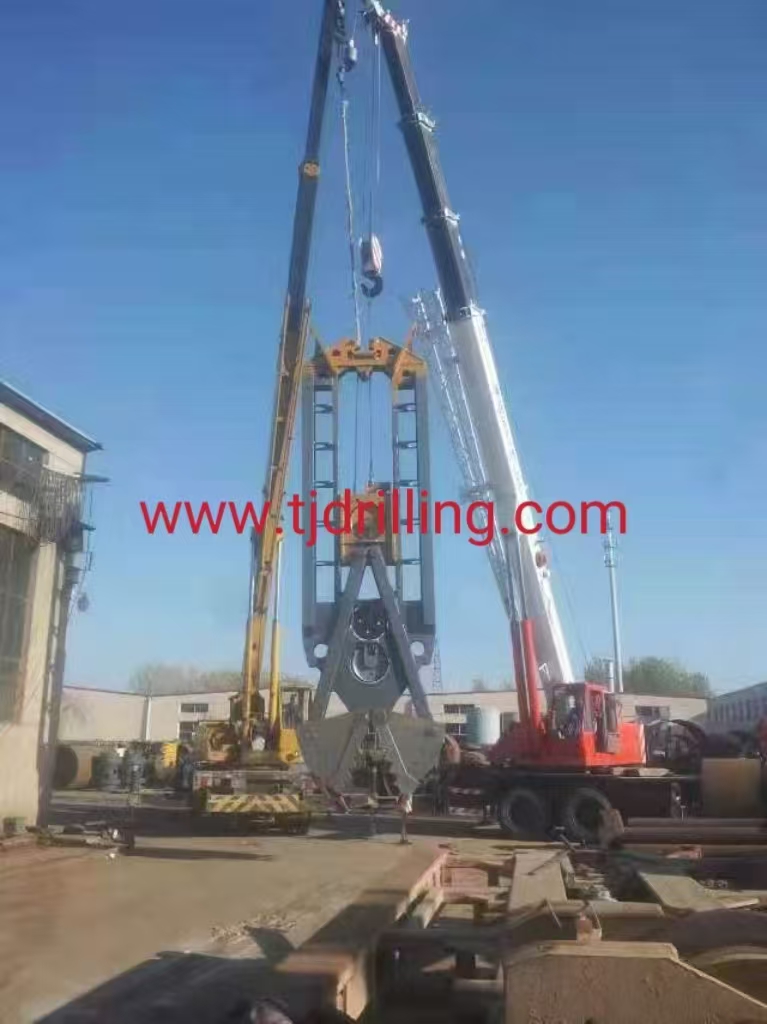
mechanical diaphragm wall grab is a heavy-duty tool used to excavate deep, narrow trenches for underground walls. Unlike hydraulic grabs that use high-pressure cylinders to close the jaws, a mechanical grab relies on cable tension and gravity to function.
发送询盘
产品详情

微信图片_20260427070441_3073_4.jpg

微信图片_20260427070238_3071_4.jpg

微信图片_20260427070237_3070_4.jpg

微信图片_20260427070235_3068_4.jpg

微信图片_20260427070236_3069_4.jpg

微信图片_20260427070233_3067_4.jpg

800mm mechanical diaphragm wall grab with Opening Width 2800mm for diaphragm wall contruction

800mm mechanical diaphragm wall grab with Opening Width 2500mm for slurry wall contruction

Heavy-Duty 800mm mechanical grabs with Opening Width 2800mm for diaphragm wall contruction

800mm clamshell grab with Opening Width 2800mm for diaphragm wall contruction

800mm slurry wall grab with Opening Width 2500mm for slurry wall contruction

Tjdrilling Heavy-Duty 800mm mechanical diaphragm wall grab for Slurry Wall Projects 

Low-Maintenance 800mm Mechanical Grab: The Cost-Effective Solution for Slurry Wall Projects

Low-Maintenance 800mm Mechanical Grab: The Cost-Effective Solution for Slurry Wall Projects

Heavy-Duty 800mm Mechanical Grab: Reinforced Steel Design for Hard Strata & Deep Foundations

High-Efficiency 800mm Mechanical Diaphragm Wall Grab | Optimized for Rapid Trenching

reliable 800mm Mechanical Grab for Slurry Wall Excellence

SPECIFICATION L mm L1 mm T mm T1 mm T2 mm kg QUANTITY OF PULLY

800 8700 9600 800 2800 2200 15500KGS 5

1000 8700 9600 1000 2800 2200 17000kgs 5

1200mm 8700 9600 1200 2800 2200 18500kgs 5


Key Advantages

• Simplicity: With fewer hydraulic lines and electronic sensors exposed to slurry and soil, mechanical grabs are often easier to maintain in the field.

• Depth Capability: They are limited only by the winch capacity of the crane (crawler crane), making them suitable for very deep excavations where hydraulic hose reels might struggle.

• Cost-Effectiveness: Generally carries a lower initial investment and lower operational costs compared to sophisticated hydraulic counterparts.

Operation Essentials

To achieve the best results with an 800mm mechanical unit, consider the following:

Crane Synchronization: Requires a crawler crane with a double-drum free-fall winch system. One drum controls the vertical movement (holding line), while the other operates the opening and closing of the jaws (closing line).

Verticality Control: Because mechanical grabs are "free-hanging," operators must use a guide wall (usually concrete) at the surface to start the trench accurately.

Soil Conditions: Best suited for sands, gravels, and soft-to-medium clays. In extremely hard rock, a "chiseling" approach or a pre-drilling method may be required before using the grab.

mechanical diaphragm wall grab is a heavy-duty tool used to excavate deep, narrow trenches for underground walls. Unlike hydraulic grabs that use high-pressure cylinders to close the jaws, a mechanical grab relies on cable tension and gravity to function.

·  Weight: Usually ranges between 12000 kg and 15,000 kg. The high self-weight is critical for providing the necessary cutting force to penetrate stiff soils.

·  ·  Opening Width: While the body is designed for an 800mm trench, the jaw opening typically spans 2,500mm to 2,800mm.

·  ·  Jaw Type: Often equipped with replaceable teeth or "cutting bits" made of tungsten carbide for high-wear resistance.

·  ·  Guide System: Features long guide bodies (frames) to ensure verticality during the descent, which is vital for maintaining the structural integrity of the diaphragm wall.


Using one requires a specialized crane (duty-cycle crane) and a high level of operator precision.

1. Pre-Excavation: The Guide Wall

Before the grab ever touches the dirt, you must construct concrete guide walls.These are two parallel concrete beams cast into the ground.

They ensure the grab enters the ground at the exact location and prevent the top of the trench from collapsing.

2. The Operation Cycle

The mechanical grab operates on a "dual-line" system: the holding line and the closing line

Positioning: The crane operator aligns the grab between the guide walls. The jaws are held open by the internal pulley system.

The Descent: The grab is lowered into the trench. If the soil is hard, the operator may "free-fall" the grab for the last few meters to use its weight (often 10-25 tons) to break the surface.The Bite (Closing): Once the grab hits the bottom, the operator pulls the closing line. This pulls the jaws together through a series of internal sheaves, creating massive mechanical leverage to scoop up the soil.

Hoisting: Once the jaws are shut, both the holding and closing lines are retracted simultaneously to lift the loaded grab out of the trench.

Discharge: The grab is swung over a spoil pile or truck. The operator releases the closing line tension, allowing gravity to pull the jaws open and drop the payload.

3. Maintaining Verticality

In diaphragm wall construction, verticality is everything. If the wall is crooked, the reinforcement cage won't fit, and the joints will leak.The Weight Factor: Mechanical grabs are intentionally very long and heavy. This high center of gravity helps them act like a "plumb bob" to stay vertical.

Correction: If the grab starts to drift, the operator can use the teeth to shave one side of the trench or adjust the tension on the hoist cables to pull it back into alignment.

4. Working with Bentonite (Slurry)

You never dig a diaphragm wall trench "dry." As the grab removes soil, the trench is simultaneously filled with bentonite slurry.

The slurry provides hydrostatic pressure to keep the trench walls from caving in.

 mechanical grab must be designed with "bypass" vents so that it can sink quickly through the thick slurry without being slowed down by water resistance.


5. Mechanical vs. Hydraulic Grabs

Feature Mechanical Grab Hydraulic Grab

Power Source Cable tension / Crane winches Hydraulic pump and cylinders

Soil Type Better for very deep trenches and hard strata Better for precision and "shaving" soft soils

Maintenance Simpler (mostly cables and pulleys) Complex (hoses, seals, and pumps)

Depth Limited only by the length of the crane cable Limited by the length of the hydraulic hoses (unless using a power pack)

6. Safety Essentials

Cable Inspection: Because the entire "closing" force depends on steel wire ropes, they must be inspected daily for fraying or "bird-caging."

teeth Replacement: The "cutting" teeth at the bottom of the jaws are sacrificial. Once they blunt, the grab will bounce off hard ground rather than digging into it.

Sheave Lubrication: The internal pulley wheels (sheaves) inside the grab body are constantly submerged in gritty slurry. They require intensive greasing to prevent the mechanism from seizing.


Q: 叉车行业迎来“超级周期”?

A: 刚出炉的行业数据太炸了!2025 年 10 月叉车销量 11.43 万台,内外销双位数暴涨(内销 + 16.2%,外销 + 15.4%),1-10 月累计销量突破 122 万台,同比激增 14.2%!一边是京东砸千亿采购 300 万台物流机器人,一边是氢能叉车单笔爆单 108 台,叉车行业正在经历 “绿色 + 智能”双重革命,这些变化!

Q: 智能叉车如何工作?

A: 你见过智能叉车如何工作吗?近期,央视新闻来到合肥,走进安徽叉车集团智能车间。让我们跟着镜头,这家有着67年历史的企业,正在走一条传统产业转型升级、孕育发展新质生产力之路。现在我来到了移动机器人的调试测试区,我身后十几台车正在这里进行传感器标定和基础功能测试,我现在站在它的前进路线上,在机器人眼中我就是个障碍物,它会自动停止。

Q: 智慧叉车”打造安全监管新模式?

A: 据欣和食品工作人员介绍,该系统集成了多项智慧管理功能,通过对人员、车辆、行为的全面数字化管控,构建起全方位防护体系。人员管理模块实现驾驶员台账数字化及实时预警;车辆定位功能确保叉车在电子围栏内安全作业;运行预警主动提醒系好安全带;身份识别机制严格限定仅备案人员可操作车辆,从根本上杜绝无证驾驶。同时,系统还具备数据分析能力,为车辆调度和绩效管理提供可靠数据支持。

产品询价

Whatsapp

Skype

VK

发送询盘

We use cookie to improve your online experience. By continuing to browse this website, you agree to our use of cookie.

Cookies

Please read our Terms and Conditions and this Policy before accessing or using our Services. If you cannot agree with this Policy or the Terms and Conditions, please do not access or use our Services. If you are located in a jurisdiction outside the European Economic Area, by using our Services, you accept the Terms and Conditions and accept our privacy practices described in this Policy.
We may modify this Policy at any time, without prior notice, and changes may apply to any Personal Information we already hold about you, as well as any new Personal Information collected after the Policy is modified. If we make changes, we will notify you by revising the date at the top of this Policy. We will provide you with advanced notice if we make any material changes to how we collect, use or disclose your Personal Information that impact your rights under this Policy. If you are located in a jurisdiction other than the European Economic Area, the United Kingdom or Switzerland (collectively “European Countries”), your continued access or use of our Services after receiving the notice of changes, constitutes your acknowledgement that you accept the updated Policy. In addition, we may provide you with real time disclosures or additional information about the Personal Information handling practices of specific parts of our Services. Such notices may supplement this Policy or provide you with additional choices about how we process your Personal Information.


Cookies

Cookies are small text files stored on your device when you access most Websites on the internet or open certain emails. Among other things, Cookies allow a Website to recognize your device and remember if you've been to the Website before. Examples of information collected by Cookies include your browser type and the address of the Website from which you arrived at our Website as well as IP address and clickstream behavior (that is the pages you view and the links you click).We use the term cookie to refer to Cookies and technologies that perform a similar function to Cookies (e.g., tags, pixels, web beacons, etc.). Cookies can be read by the originating Website on each subsequent visit and by any other Website that recognizes the cookie. The Website uses Cookies in order to make the Website easier to use, to support a better user experience, including the provision of information and functionality to you, as well as to provide us with information about how the Website is used so that we can make sure it is as up to date, relevant, and error free as we can. Cookies on the Website We use Cookies to personalize your experience when you visit the Site, uniquely identify your computer for security purposes, and enable us and our third-party service providers to serve ads on our behalf across the internet.

We classify Cookies in the following categories:
 ●  Strictly Necessary Cookies
 ●  Performance Cookies
 ●  Functional Cookies
 ●  Targeting Cookies


Cookie List
A cookie is a small piece of data (text file) that a website – when visited by a user – asks your browser to store on your device in order to remember information about you, such as your language preference or login information. Those cookies are set by us and called first-party cookies. We also use third-party cookies – which are cookies from a domain different than the domain of the website you are visiting – for our advertising and marketing efforts. More specifically, we use cookies and other tracking technologies for the following purposes:

Strictly Necessary Cookies
These cookies are necessary for the website to function and cannot be switched off in our systems. They are usually only set in response to actions made by you which amount to a request for services, such as setting your privacy preferences, logging in or filling in forms. You can set your browser to block or alert you about these cookies, but some parts of the site will not then work. These cookies do not store any personally identifiable information.

Functional Cookies
These cookies enable the website to provide enhanced functionality and personalisation. They may be set by us or by third party providers whose services we have added to our pages. If you do not allow these cookies then some or all of these services may not function properly.

Performance Cookies
These cookies allow us to count visits and traffic sources so we can measure and improve the performance of our site. They help us to know which pages are the most and least popular and see how visitors move around the site. All information these cookies collect is aggregated and therefore anonymous. If you do not allow these cookies we will not know when you have visited our site, and will not be able to monitor its performance.

Targeting Cookies
These cookies may be set through our site by our advertising partners. They may be used by those companies to build a profile of your interests and show you relevant adverts on other sites. They do not store directly personal information, but are based on uniquely identifying your browser and internet device. If you do not allow these cookies, you will experience less targeted advertising.

How To Turn Off Cookies
You can choose to restrict or block Cookies through your browser settings at any time. Please note that certain Cookies may be set as soon as you visit the Website, but you can remove them using your browser settings. However, please be aware that restricting or blocking Cookies set on the Website may impact the functionality or performance of the Website or prevent you from using certain services provided through the Website. It will also affect our ability to update the Website to cater for user preferences and improve performance. Cookies within Mobile Applications

We only use Strictly Necessary Cookies on our mobile applications. These Cookies are critical to the functionality of our applications, so if you block or delete these Cookies you may not be able to use the application. These Cookies are not shared with any other application on your mobile device. We never use the Cookies from the mobile application to store personal information about you.

If you have questions or concerns regarding any information in this Privacy Policy, please contact us by email at . You can also contact us via our customer service at our Site.