
 English
 Español
 Português
 Русский
 لالعربية
 Tiếng Việt
 Français
 ไทย
ไทย עברית
עברית
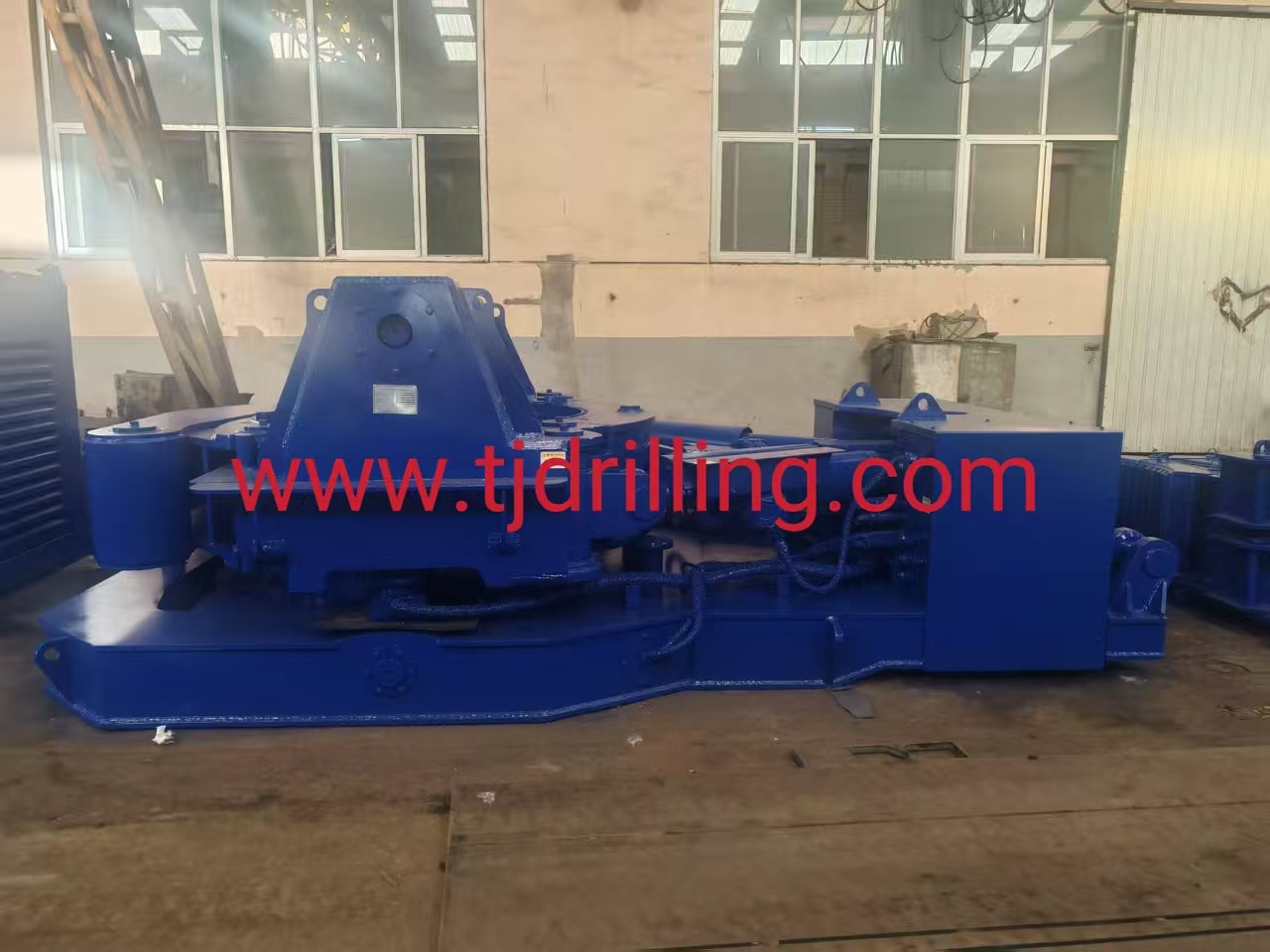
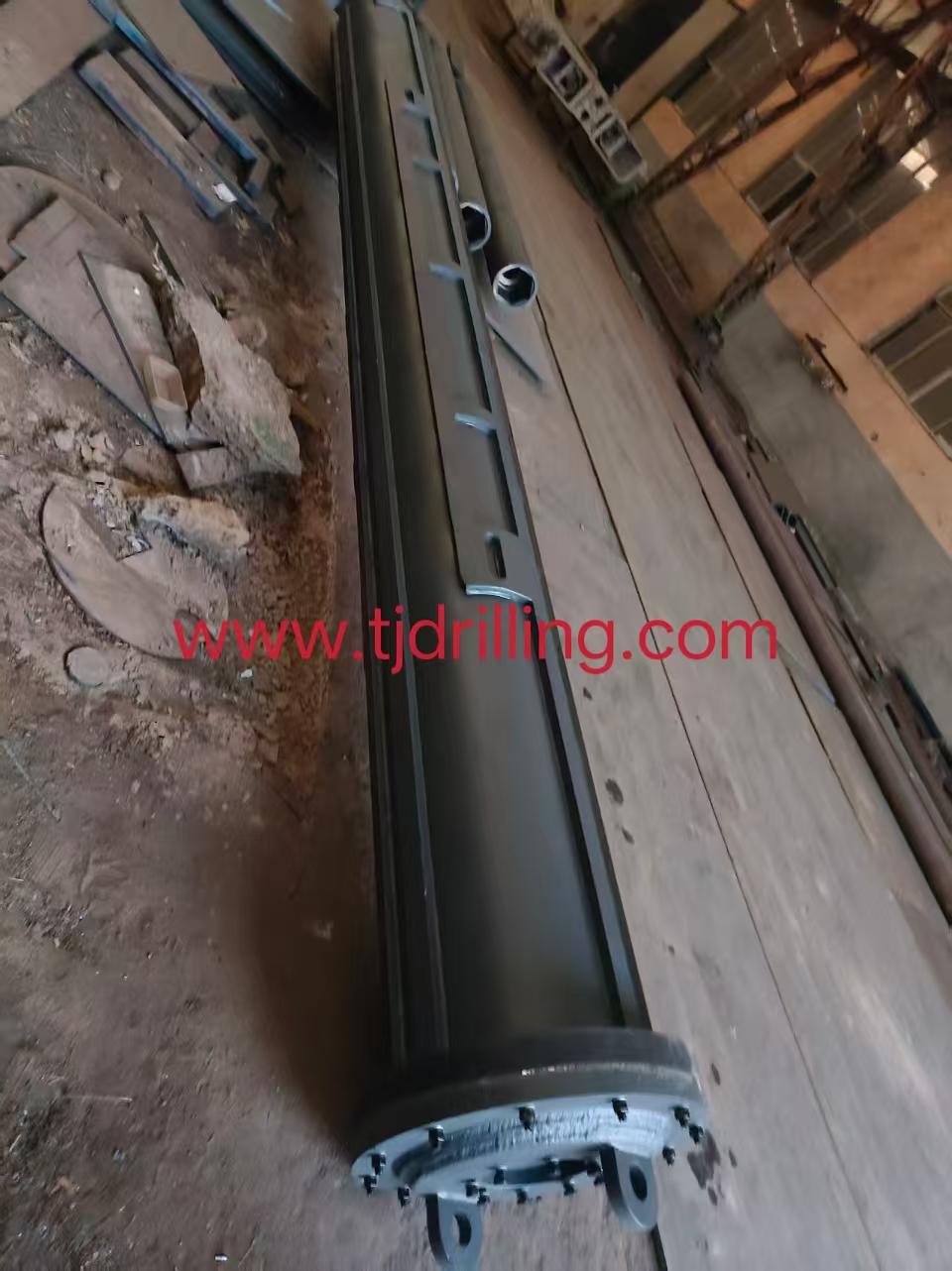
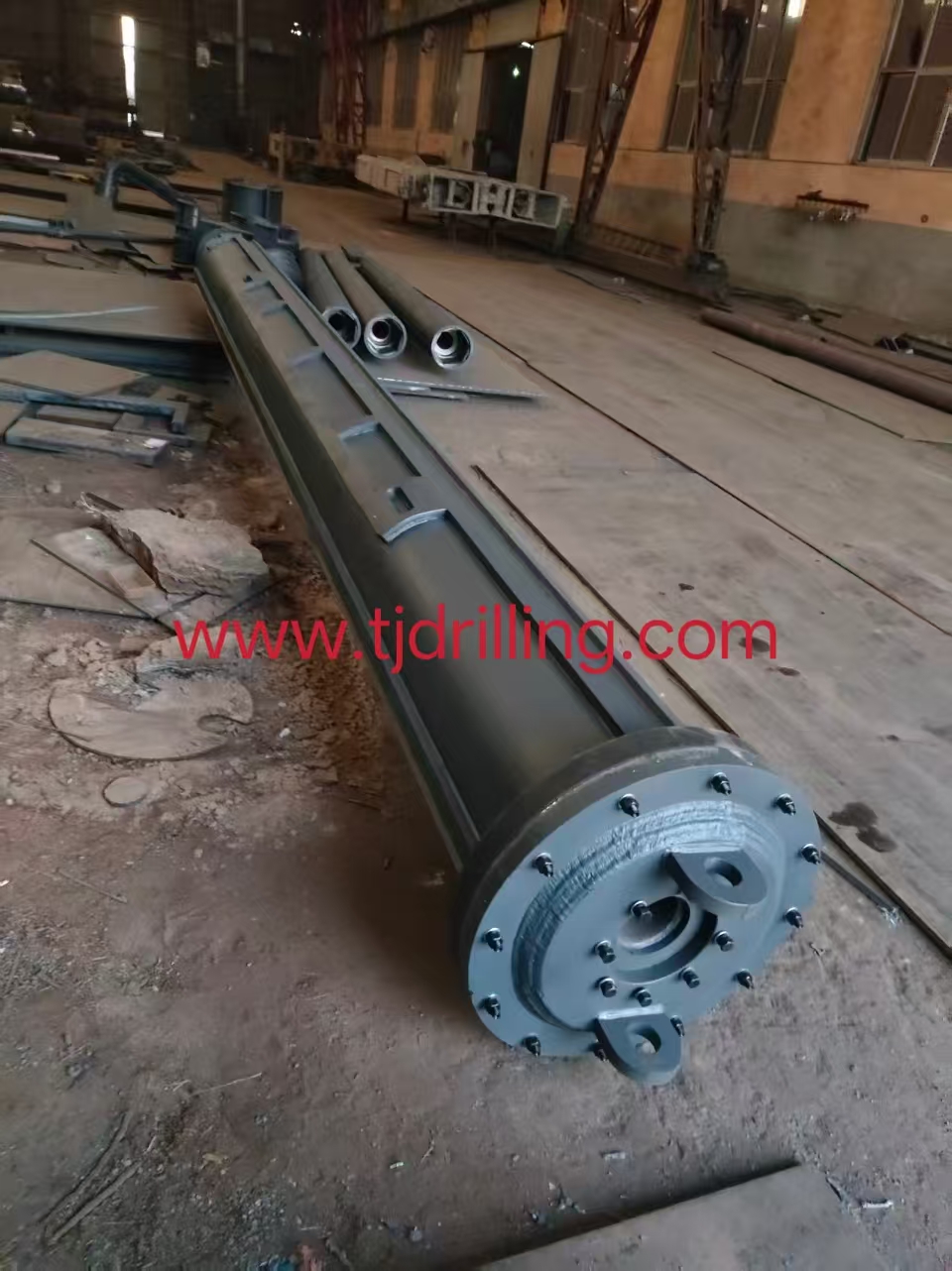
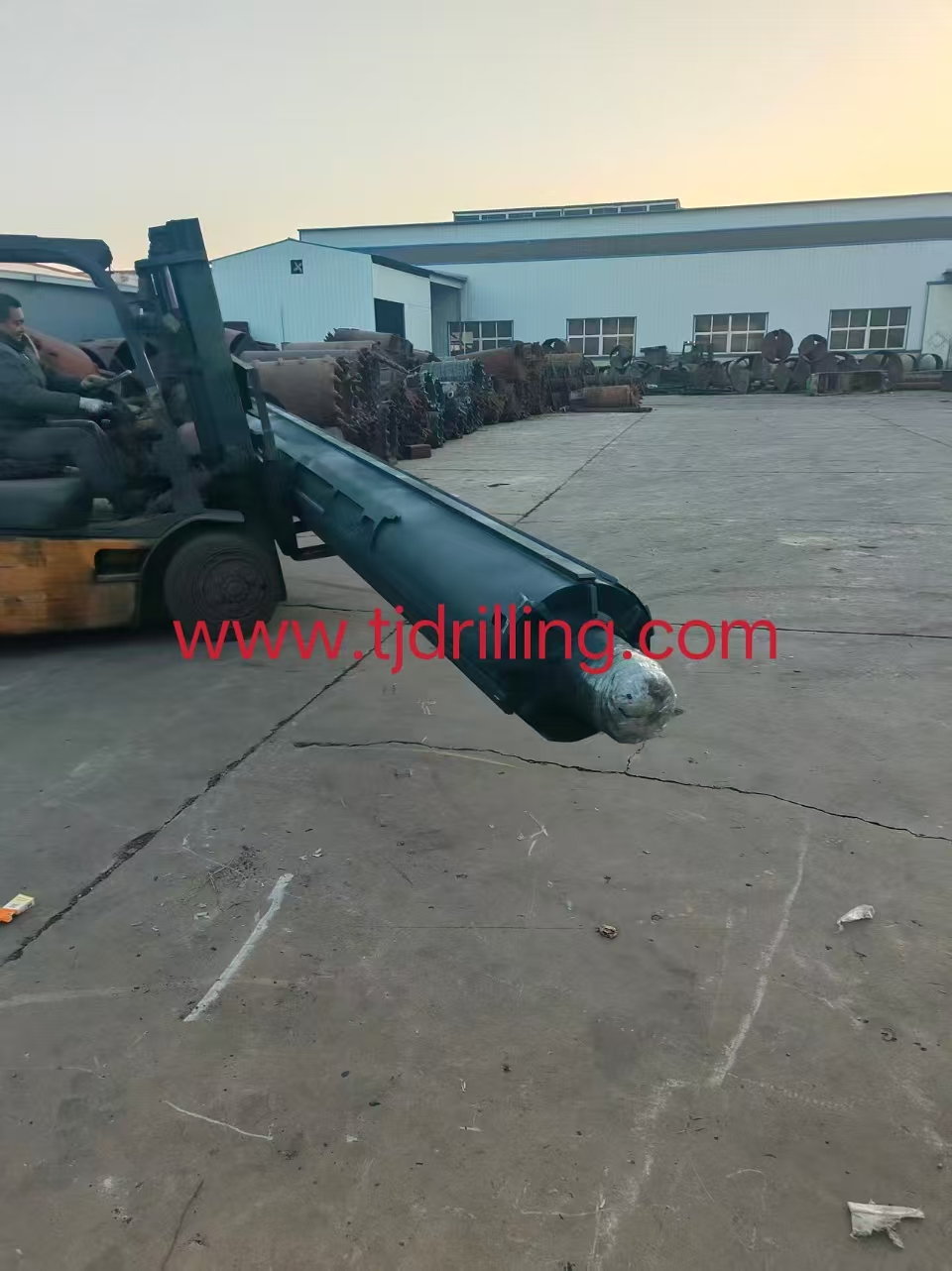
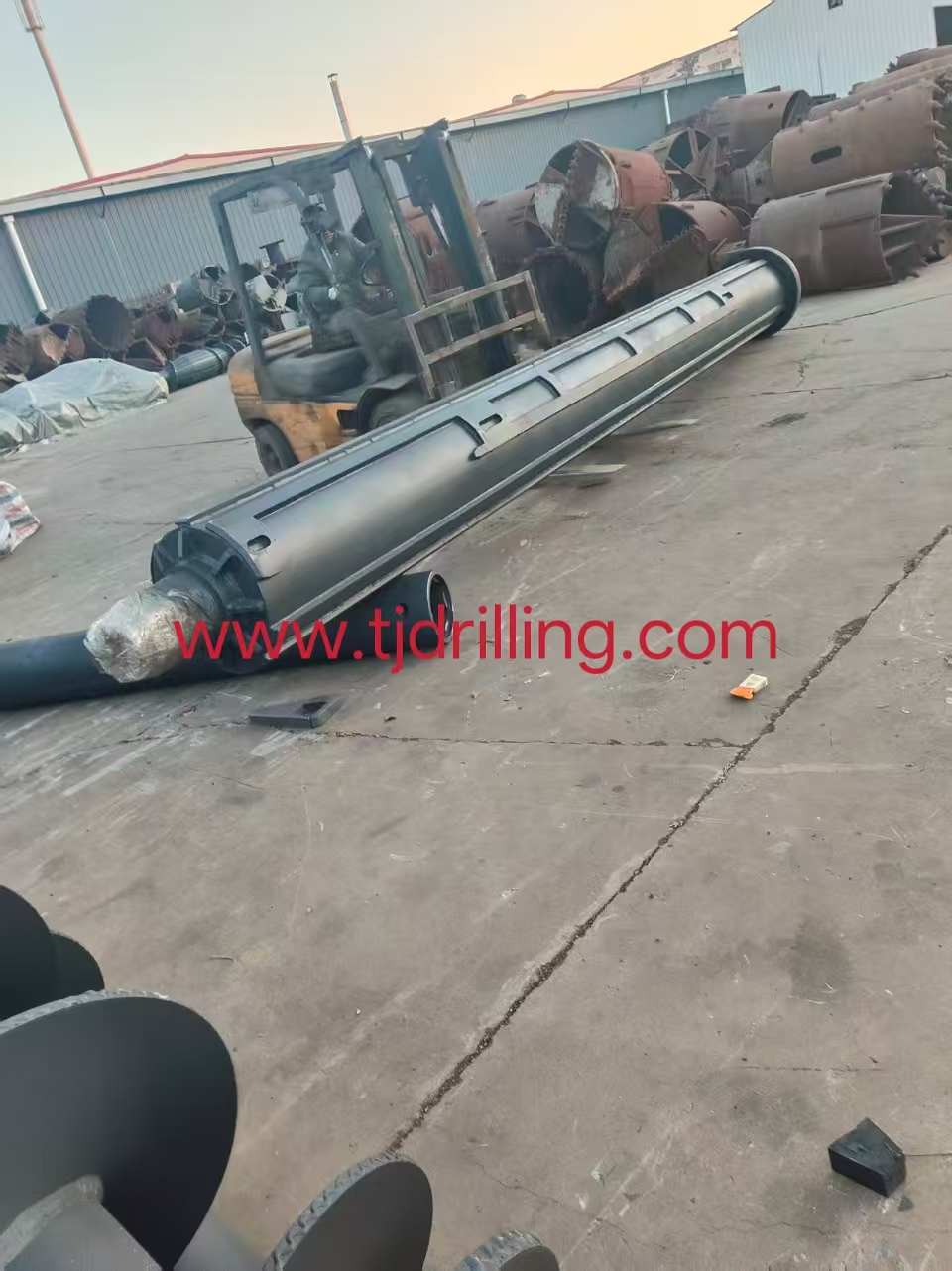
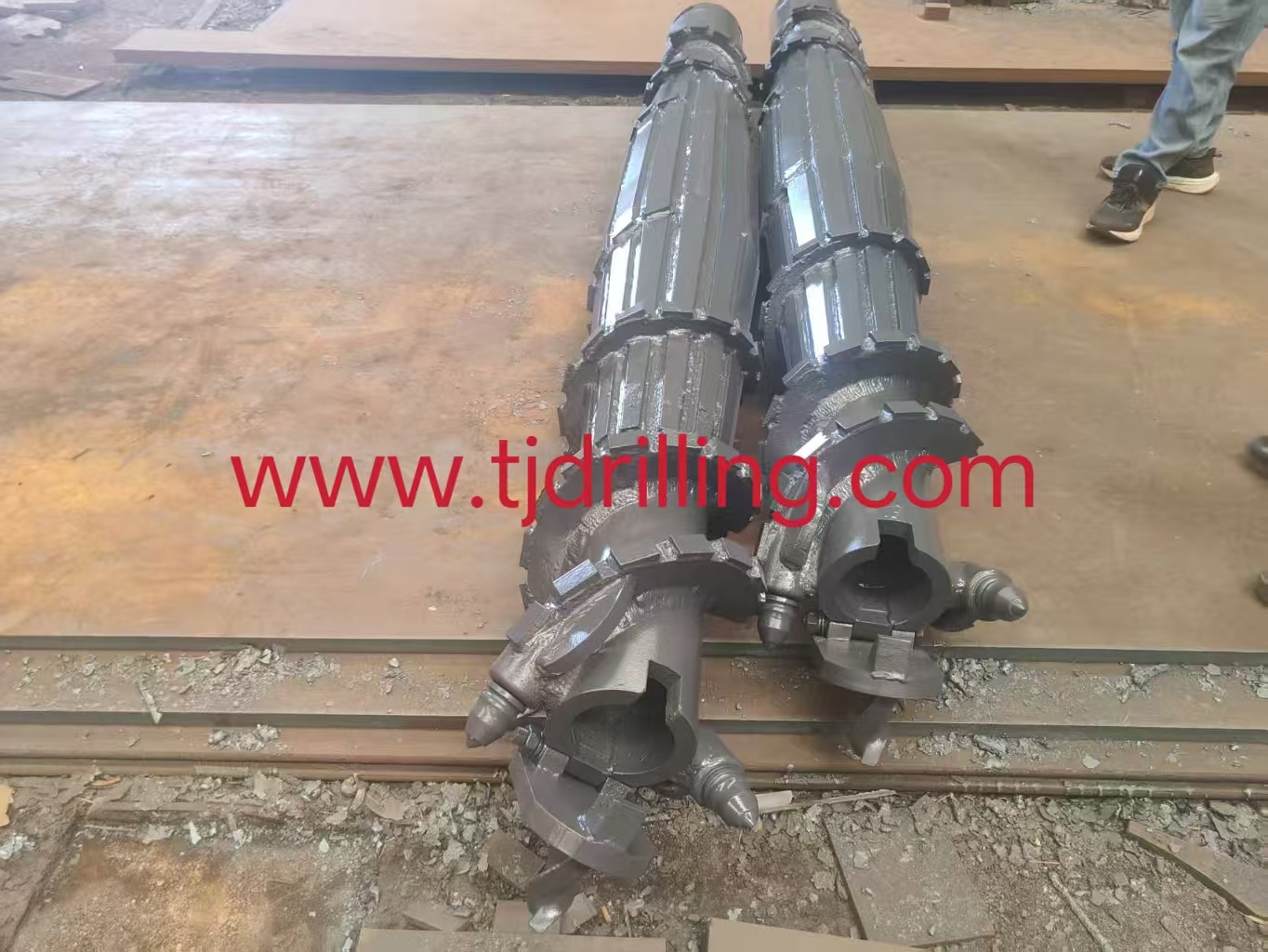
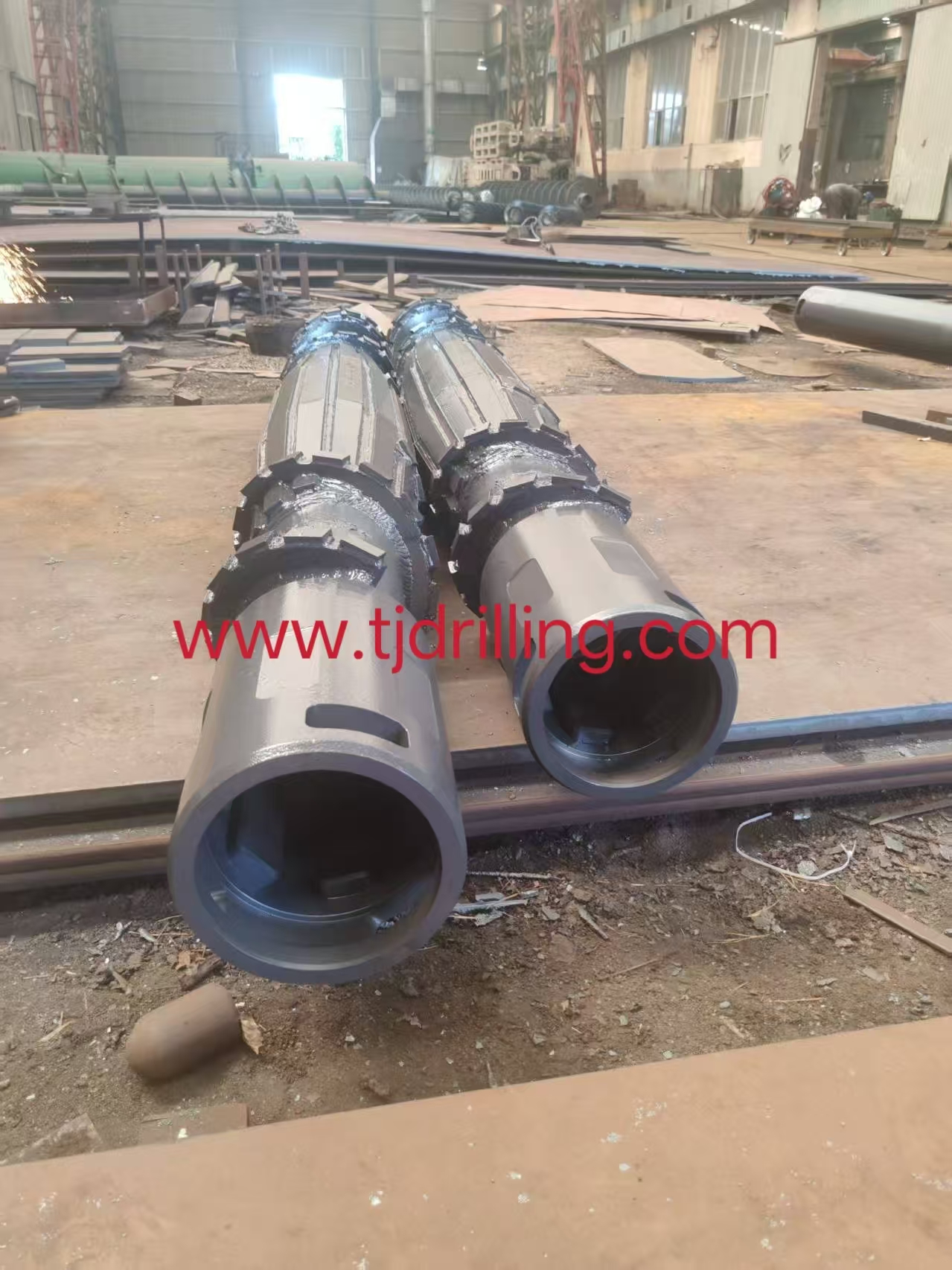

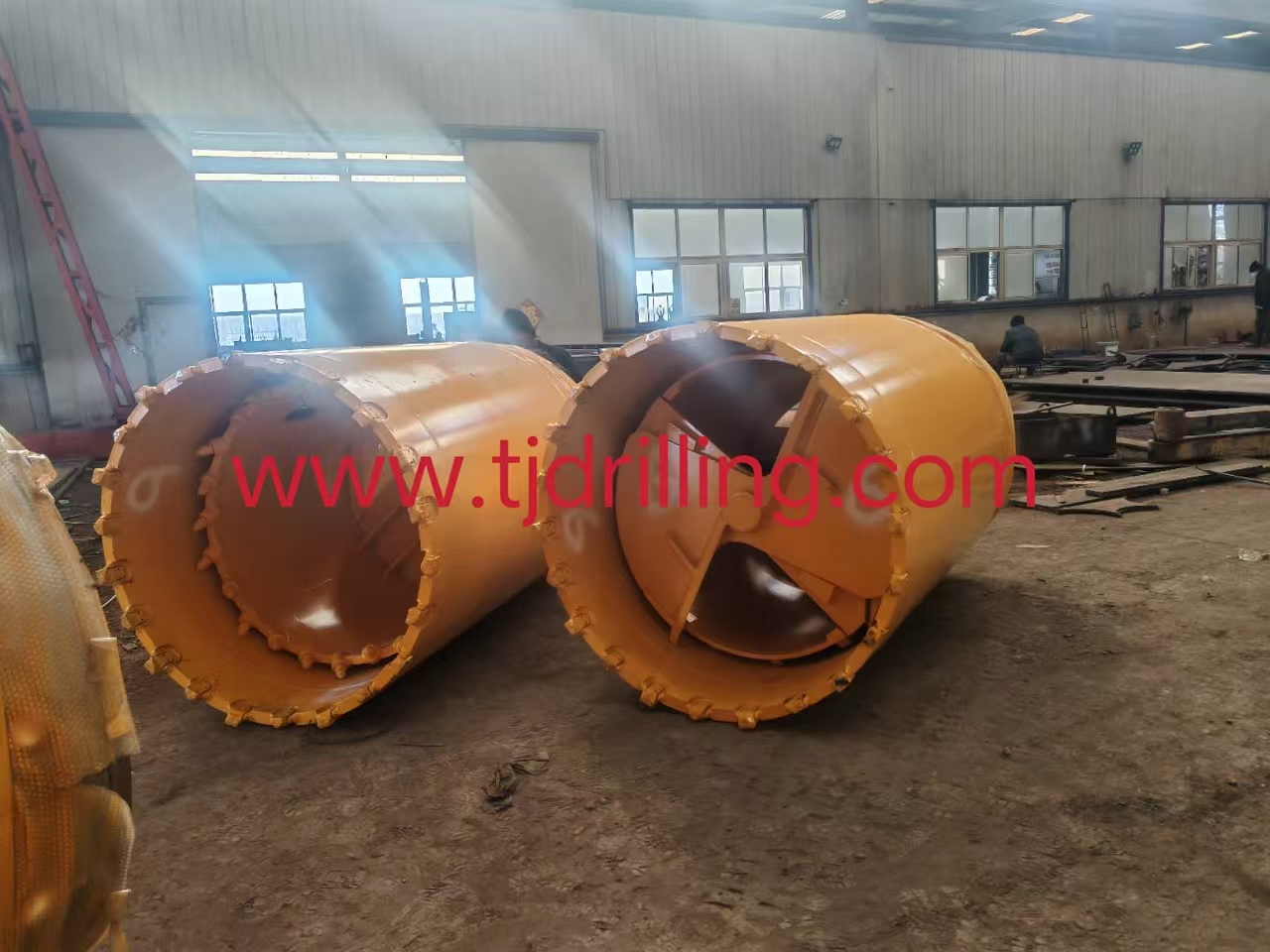
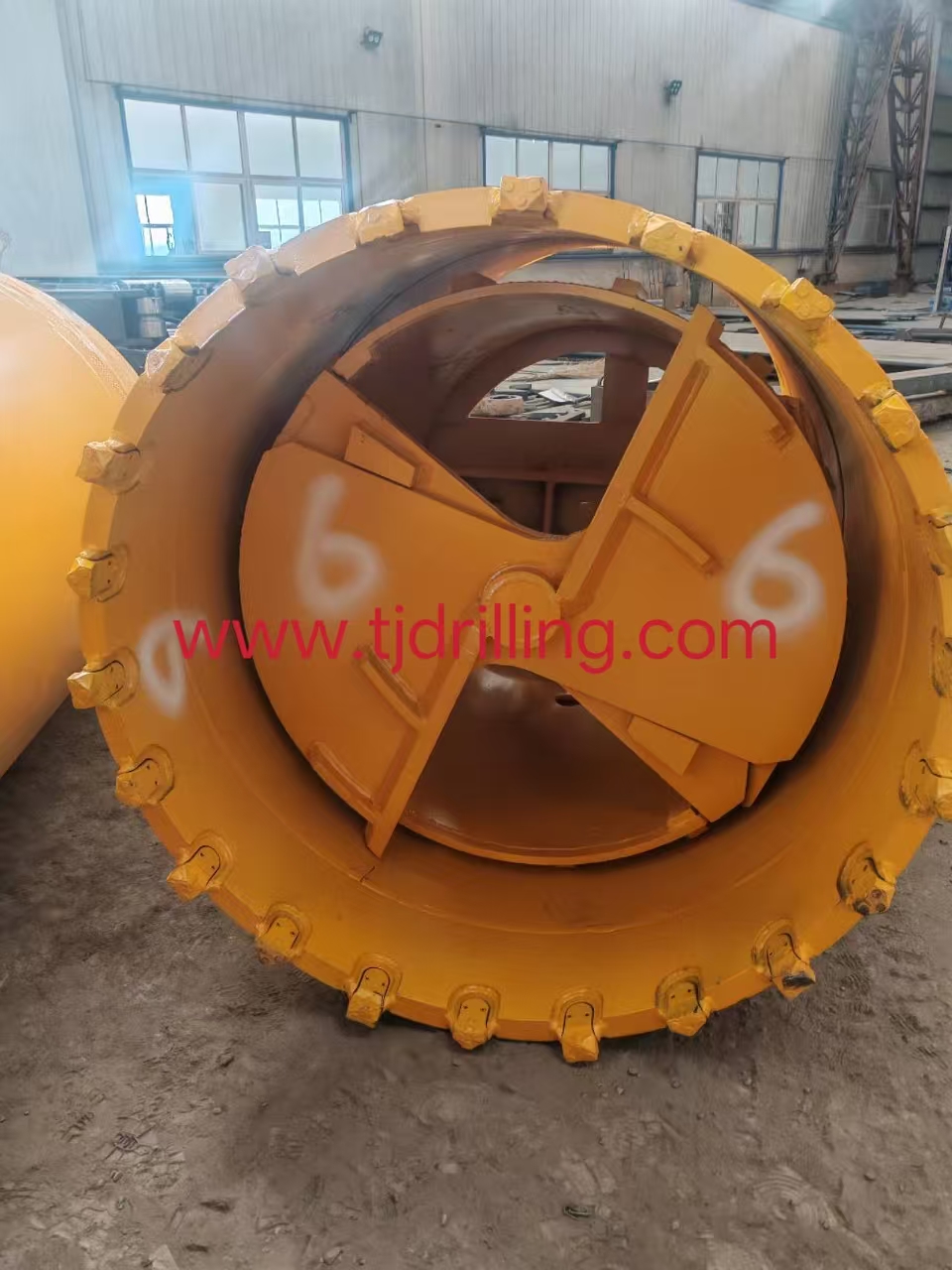
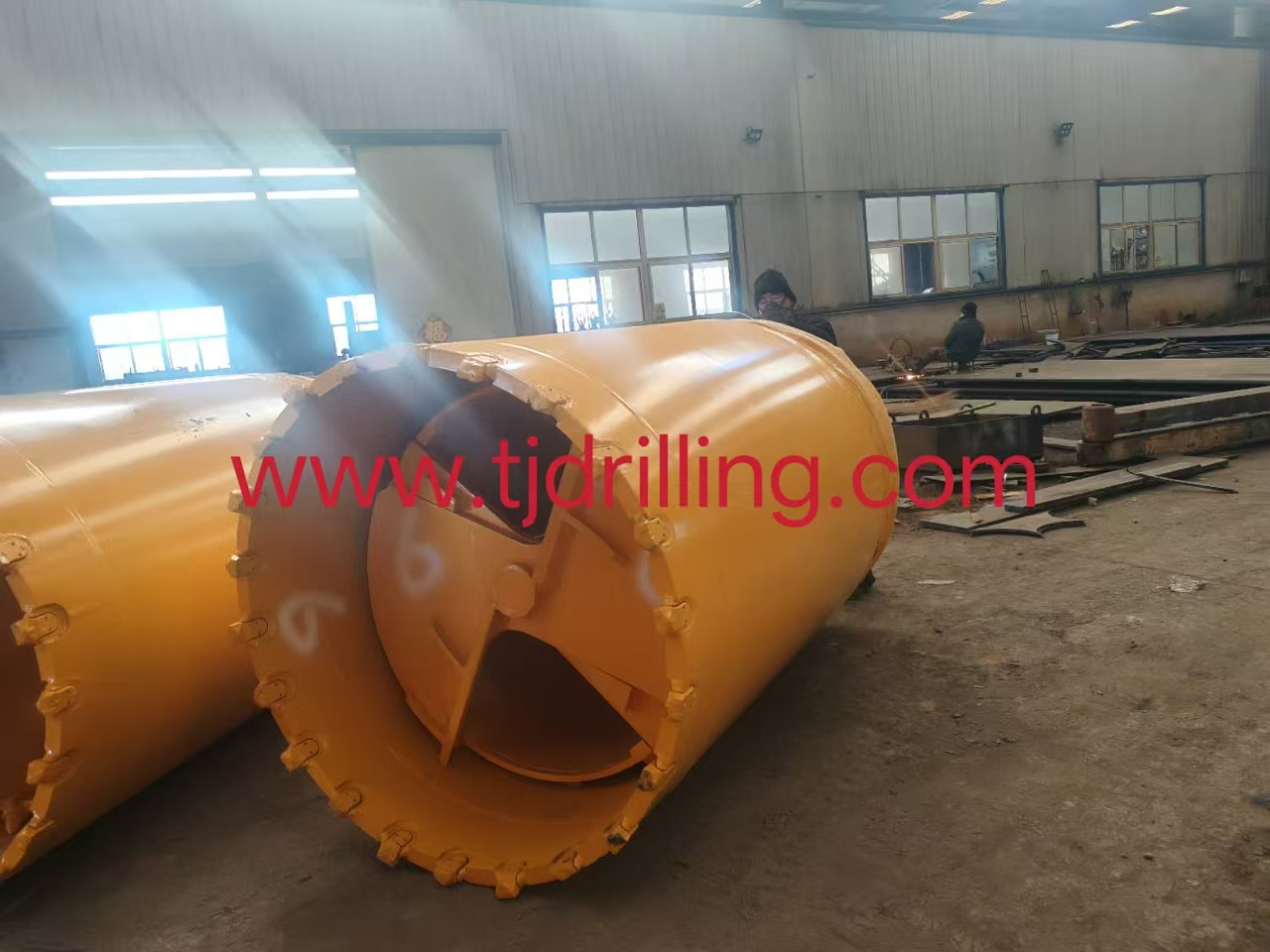
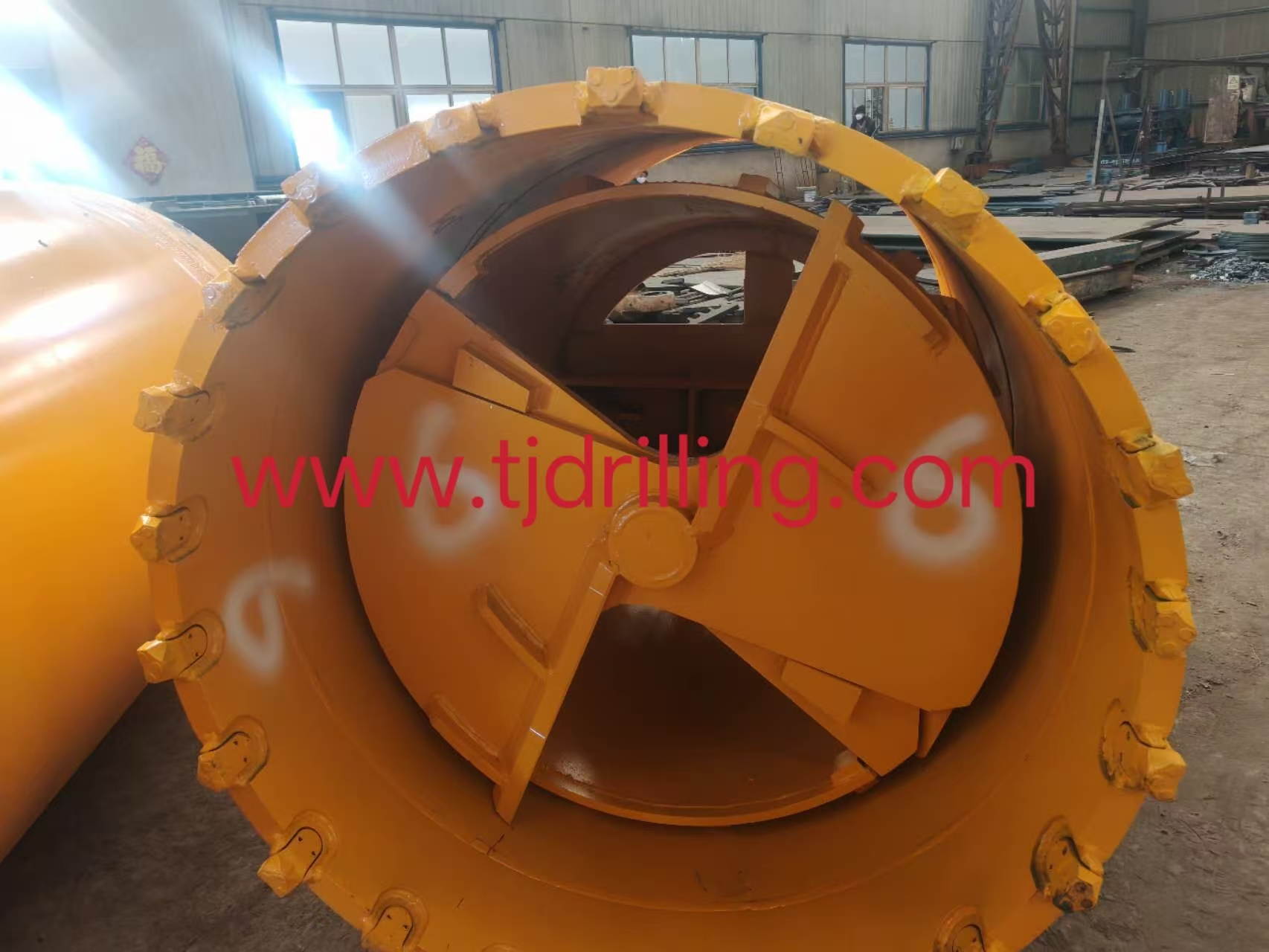
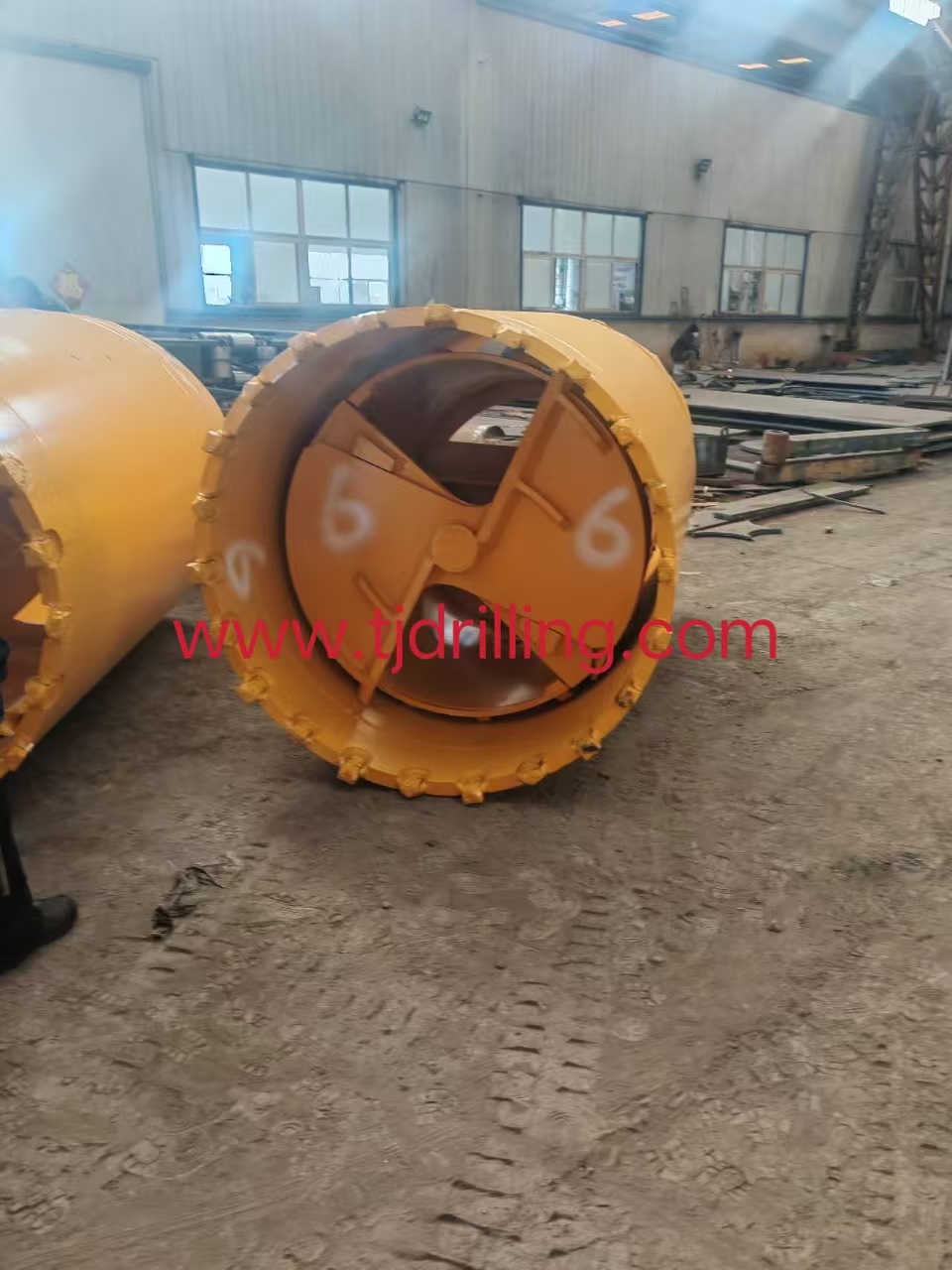
1500mm bored pile cleaning bucket used for liebherr-lb28 rig for bored pile foundation work
1500mm double cut cleaning bucket for liebherr-lb24 rig for bored pile foundation work
1500mm bored pile cleaning bucket used for liebherr-lb28 rig for bored pile foundation work
1500mm double bottom cleaning bucket for liebherr-lb36 rig for bored pile foundation work
1500mm cleaning bucket for pile foundation work for soilmec drill rig
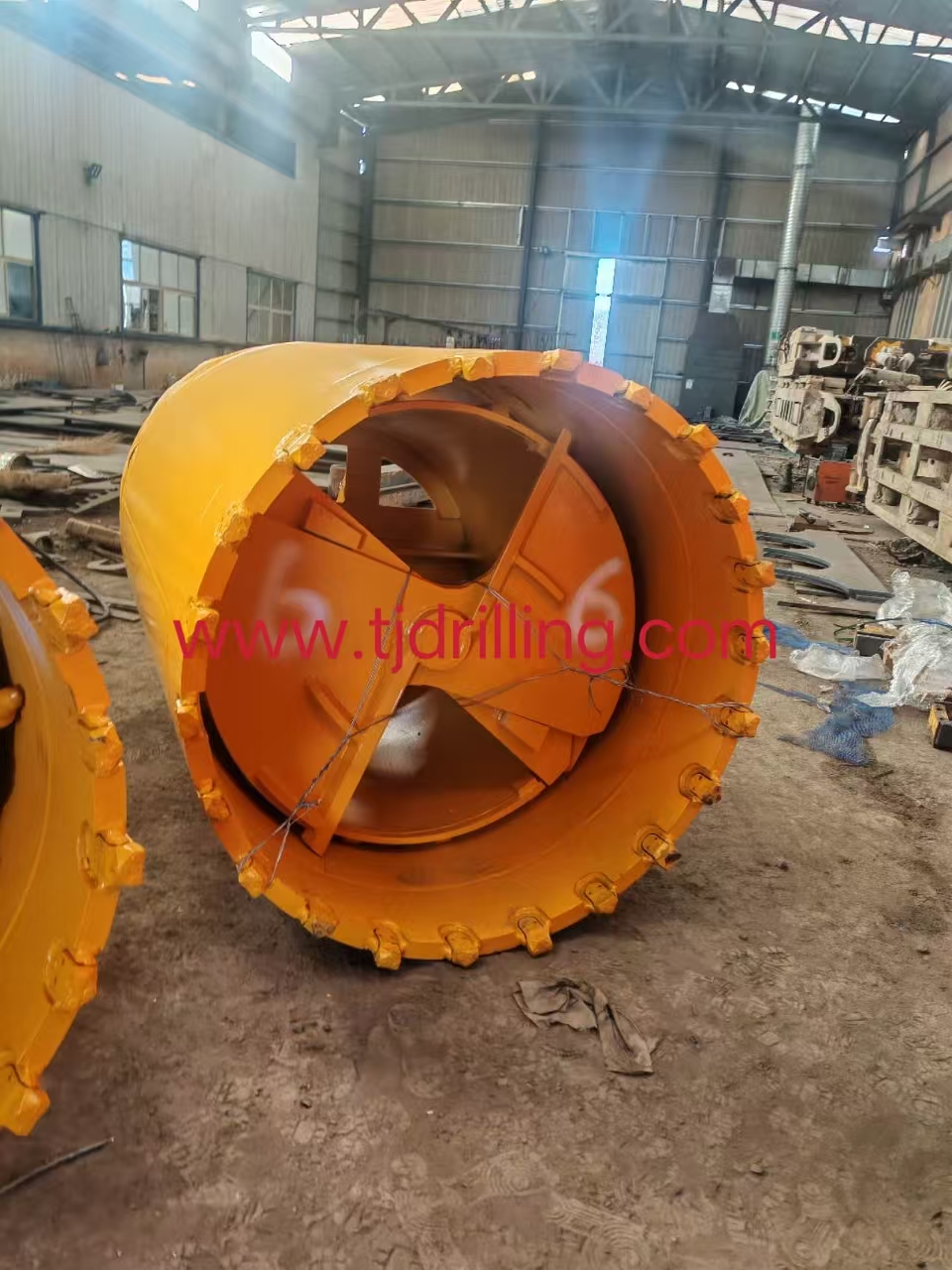
Tianjin huachang xingye technology co ltd Double cut Cleaning Bucket
Main application:-
Cleaning Bucket, used for cleaning the bottom of the borehole after drilling.
Features:-
Kelly box: 130-150-200 – other available upon request Cutting Blade made
Ventilation pipe system
Opening system: Automatic or manual
double system – available upon request
Bottom Gate: available with single bottom with flapper or Double rev. Bottom
A bored pile cleaning bucket is engineered for precision cleaning of the base of a borehole. While standard drilling buckets are built to dig, rip, and break ground, a cleaning bucket is designed like a flat scraper to collect loose slurry cake, sand, and fine sediment without over-excavating.
Ensuring a completely clean base is mandatory for end-bearing piles, where the structural weight relies on direct contact with solid rock or hard strata.
Technical Anatomy of a Cleaning Bucket
To avoid confusing it with a standard drilling bucket, look for these specific design elements:
·
Flat Bottom Plate: It has zero taper or cone shape. The bottom is entirely flat to ensure it creates a uniform, level floor at the base of the pile.
·
·
Toothless Cutting Strips: Instead of aggressive rock teeth or chisels, it features straight, sharp steel blades (typically made of wear-resistan plate). It shaves the mud off the bottom rather than ripping it.
·
·
Large Vent Pipe (Ventilation Hole): Crucial for wet drilling operations. The internal pipe allows water or drilling polymer/bentonite slurry to flow smoothly through the center of the bucket as it is lowered or lifted. This prevents a "piston effect" that could wash out or collapse the borehole walls.
·
·
High-Precision Rubber Seals (Optional): When cleaning very fluid slurry or fine sand under water, premium cleaning buckets feature rubber gaskets along the edge of the bottom hinge doors. This traps fluid sediments inside the barrel and prevents them from washing back down into the hole during tripping.
·
Single Cut vs. Double Cut Bottoms
Depending on your borehole diameter and rig capacity, you will select one of two configurations:
Feature | Single Cut Cleaning Bucket | Double Cut Cleaning Bucket |
Blade Layout | One single cutting blade and one large entry slot. | Two symmetrical cutting blades and two entry slots. |
Best For | Smaller pile diameters (under 800mm) and cohesive, sticky clays. | Large pile diameters (800mm to 2500mm+). |
Primary Benefit | Maximum clearance inside the bucket body; less prone to clogging from large clumps. | Perfect structural balance. Eliminates tool wobble, keeping the base perfectly flat. |
When to Deploy the Cleaning Bucket
A common field mistake is using a cleaning bucket too early. It should only be brought out during the final stage of excavation:
1.
Drilling Phase: Run your standard augers, core barrels, or drilling buckets until you hit the design termination depth (T.O.D.).
2.
3.
Settling Window: Allow a short period for the finest suspended particles in the drilling fluid to settle out onto the bottom.
4.
5.
The Cleanout Run: Lower the cleaning bucket. Run the rotary drive at a very low RPM with minimal downward crowd pressure. Let the flat blades sweep the floor, filling the bucket with the loose sediment cake.
6.
7.
Immediate Pour: Once the bucket comes up clean, reinforcement cage installation and concrete tremie placement should begin as quickly as possible to prevent new sediment buildup.
Tianjin huachang xingye technology co ltd
Q: 叉车行业迎来“超级周期”?
Q: 智能叉车如何工作?
Q: 智慧叉车”打造安全监管新模式?
产品询价