English
 Español
 Português
 Русский
 لالعربية
 Tiếng Việt
 Français
 ไทย
ไทย עברית
עברית
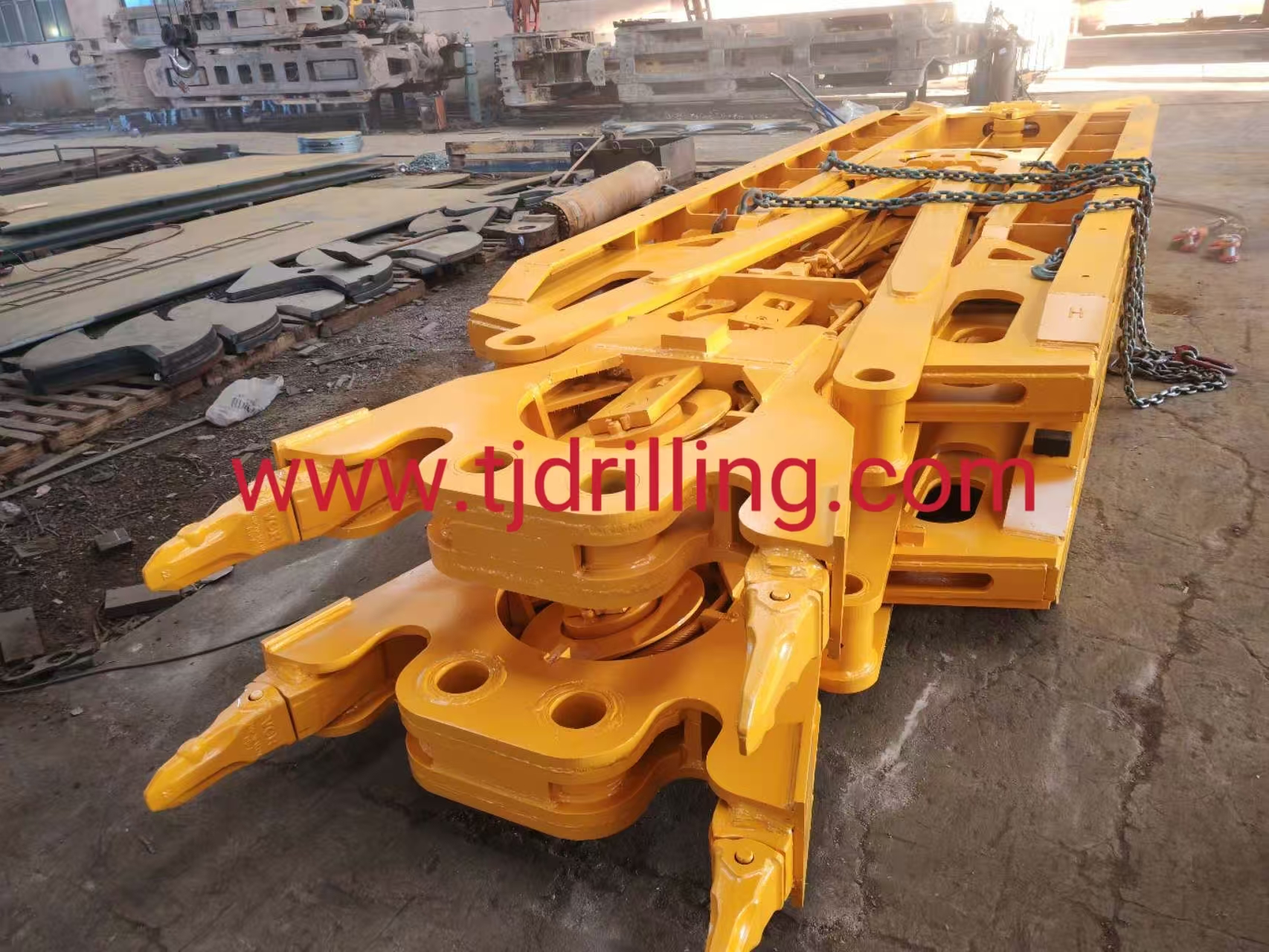
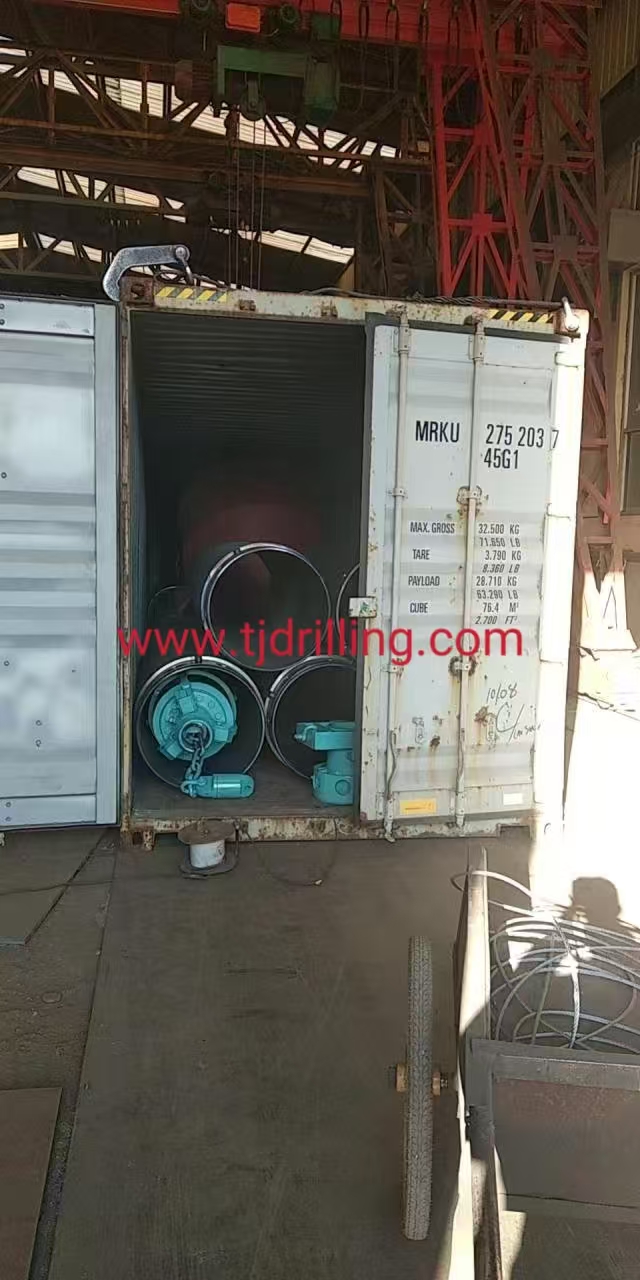
when is double wall casing need? 800mm double wall casing
Double-wall casing is selected when the structural integrity of the borehole or the casing itself is at risk. While single-wall casing is lighter and cheaper, it lacks the rigidity required for the most demanding geotechnical environments.
You generally need double-wall casing in the following four scenarios:
1. High-Torque and High-Pressure Conditions
When drilling deep into dense soils or rock, the friction against the outside of the casing becomes immense.
Torque Resistance: Double-wall casing has a much higher section modulus. It can withstand the massive twisting force (torque) of a rotary rig or casing oscillator without "corkscrewing" or buckling.
Side Friction: In deep bores (often exceeding 20–30 meters), the "grip" of the soil on the casing is so strong that a single-wall pipe might tear or collapse during extraction.
2. Use of Casing Oscillators or Rotators
If the project requires a hydraulic casing oscillator, double-wall is almost always mandatory.
The oscillator grips the casing with massive hydraulic pressure to twist and push/pull it.
A single-wall casing would likely be crushed or severely dented by the oscillator’s clamping collar, whereas the double-wall structure provides the necessary "crush resistance" to maintain its shape.
3. Unstable or Water-Bearing Soils (Hydrostatic Pressure)
In coastal areas or sites with high water tables, the external pressure from water and "soupy" soil can be significant.
Collapse Prevention: As you pump out the soil from inside the casing, the external pressure tries to collapse the tube inward. The reinforced ribs between the inner and outer shells of a double-wall pipe act as a bridge, preventing this "implosion."
Watertight Seals: Double-wall joints (like the Bauer-type screw joints) are designed to be more watertight, keeping the borehole dry for a clean concrete pour.
4. Working with Large Diameters and "Hammer Grabs"
When using a hammer grab (a heavy mechanical jaw dropped into the hole to remove soil), there is a high risk of the tool striking the inside of the casing.
Internal Impact: In a single-wall casing, a strike from a heavy grab can cause a "bulge" or dent that protrudes outward. This makes it extremely difficult to continue drilling or to extract the casing later.
The Buffer Zone: In a double-wall system, the inner wall protects the outer structural wall. Even if the inner wall takes a minor dent, the outer shell remains perfectly circular, ensuring the casing can still be pulled out of the ground successfully.
Summary Comparison
Feature | Single-Wall | Double-Wall |
Best For | Short piles, easy soil, low budget | Deep piles, high torque, oscillators |
Soil Type | Stable clays, dry sand | Boulders, loose gravel, high water |
Weight | Low (easier transport) | High (requires heavier cranes) |
Durability | Moderate (prone to denting) | High (very rigid) |